House panel approves bill to codify EPA’s DEF guidance for 10 years

The U.S. House Subcommittee on Environment advanced legislation on July 14 that sponsors said will reduce engine shutdowns caused by diesel exhaust fluid (DEF) sensors.
“The DEF Act provides a vital, 10-year legal shield that protects our agricultural and trucking industries from unnecessary shutdowns, keeping supply chains moving while maintaining existing emissions standards,” said Rep. Michelle Fischbach (R-Minn.)
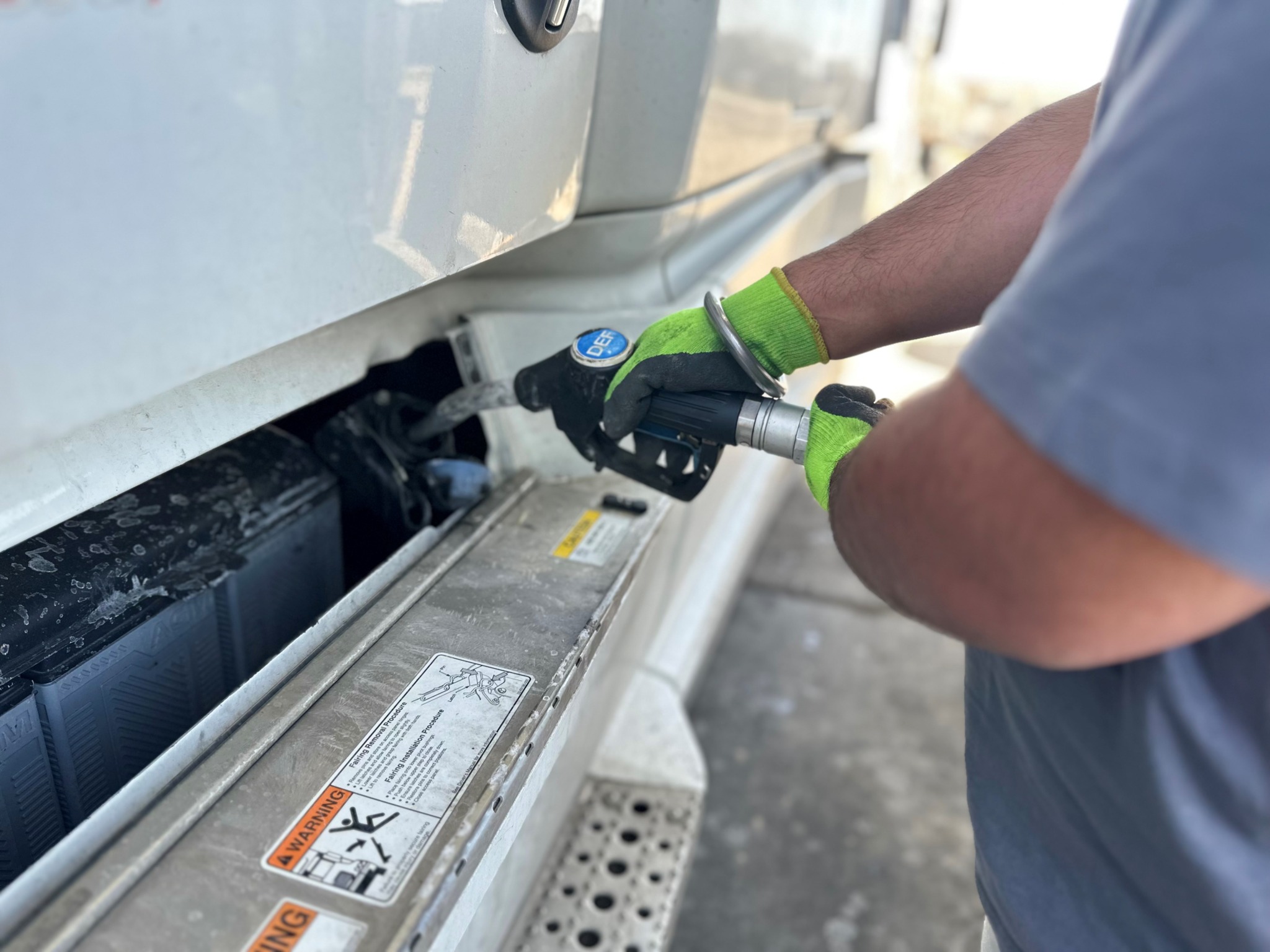
The legislation was first announced on the same day that EPA Administrator Lee Zeldin unveiled a proposal to eliminate deratements caused by DEF system failures, as well as tweaks to the upcoming 2027 heavy-duty nitrogen oxide (NOx) rule.
If approved and signed into law, the Diesel Engine Flexibility (DEF) Act would:
- Create a 10-year safe harbor for EPA diesel emissions guidance issued in 2025-26.
- Allow EPA to continue approving software updates, diagnostic improvements, recalls, and other administrative actions consistent with the guidance.
- Require future emissions standards to include at least three model years of applicability and five years before taking effect.
- Direct EPA to consider reducing unnecessary shutdowns, derates, and operational disruptions when developing emissions regulations.
Fischbach is a sponsor of the legislation, along with Reps. Julie Fedorchak (R-N.D.), Don Davis (R-N.C.), Jack Bergman (R-Mich.), and Brad Finstad (R-Minn.) They said the goal of the DEF Act is to provide long-term certainty for equipment owners, manufacturers, and technicians.
“This legislation supports widely accepted, proven technology while providing manufacturers with the certainty and flexibility we need to continue delivering innovative power solutions for our customers, Jonathan Wood, chief technical officer of Cummins Inc., said in a statement.
Several Democrats spoke out against some of the language of the DEF Act and the efforts to completely end DEF deratements. That was not the case with the Diesel Emissions Reduction Act (DERA), which received full bipartisan support at the July 14 committee hearing.
This legislation extends the EPA’s Diesel Emissions Reduction Program through fiscal 2029. It authorizes $100 million annually to fund voluntary grants, rebates, and loans for retrofitting or replacing heavy-duty diesel engines. DERA prioritizes projects that reduce emissions in nonattainment or maintenance areas for particulate matter and ozone.
According to an EPA report, more than 76,900 engines in vehicles, vessels, locomotives, and other pieces of equipment were replaced or retrofitted with DERA funds during fiscal 2008 to 2020. DERA projects during these years are estimated to have reduced approximately 499,000 tons of NOx and 16,600 tons of PM over the lifetime of the replaced engines.
In a statement prior to the hearing, the Engine Technology Forum called DERA “a valuable program that delivers meaningful emissions reductions and fuel savings.”
Both pieces of legislation will next be considered by the full House Committee on Energy and Commerce.

Have your say
This is a moderated forum. Comments will no longer be published unless they are accompanied by a first and last name and a verifiable email address. (Today's Trucking will not publish or share the email address.) Profane language and content deemed to be libelous, racist, or threatening in nature will not be published under any circumstances.