Union Pacific says proposed Norfolk Southern deal could shift 2 million truckloads
Union Pacific hopes regulators will be convinced this time that its $85 billion acquisition of Norfolk Southern that it detailed for the second time will be good for the country.
The U.S. Surface Transportation Board rejected Union Pacific’s initial application as incomplete in January because regulators wanted more details about how the deal would affect the competitive balance between the five remaining major freight railroads and the impact on customers. The STB has 30 days to decide whether to accept this application, and then it will move forward into its detailed review of the deal that will likely last more than a year.
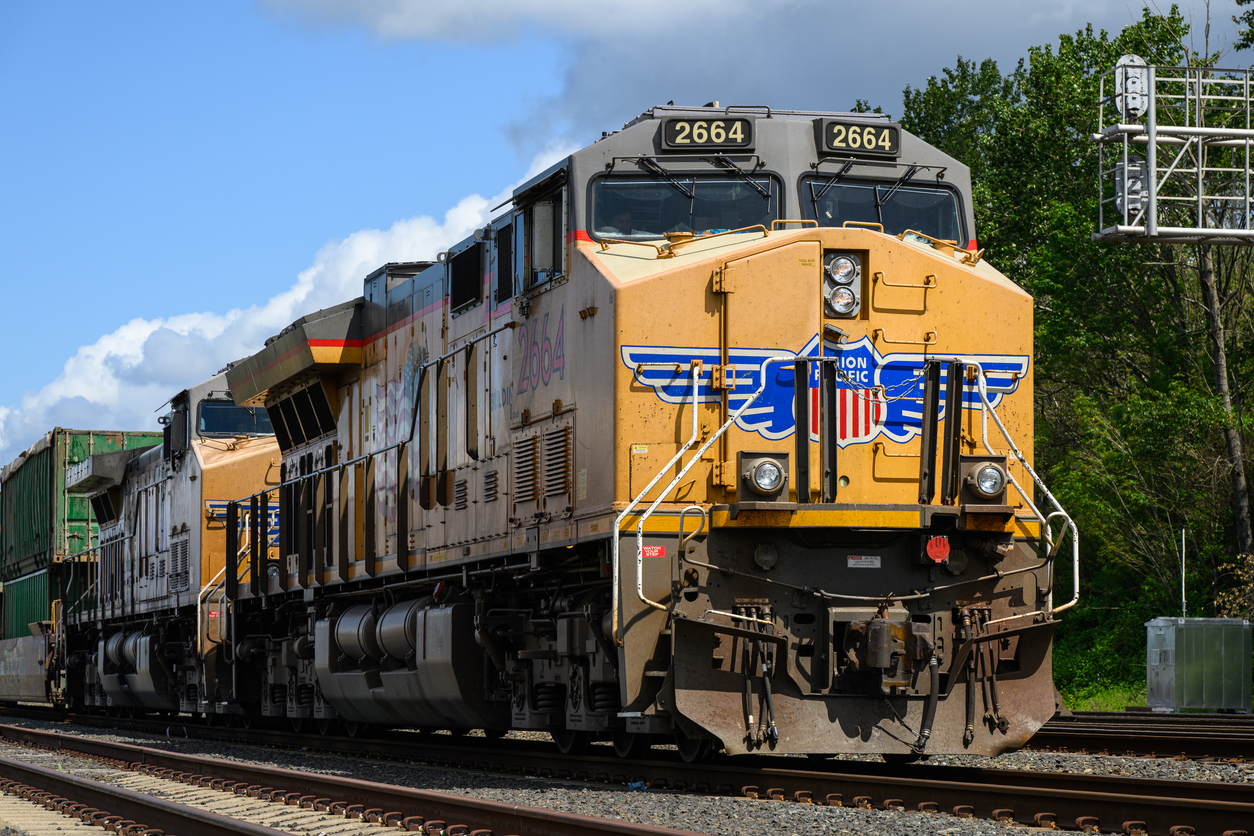
Union Pacific CEO Jim Vena said the new application makes an even stronger case for the benefits of the merger that he believes would shave a day or two off the delivery time for many shipments because they would no longer have to be handed off between two railroads in the middle of the country. The railroad projects that the merger could lead to shifting 2.1 million truckloads off the highway onto trains, and doing that could save shippers $3.5 billion because over long distances, rail is cheaper than trucking.
Critics that include some current major rail shippers like chemical companies and agricultural groups and two of the major competing railroads worry that the shipping rates existing customers pay could soar if Union Pacific gains monopoly power all across the country. Competitors BNSF and CPKC railroads joined a new coalition to highlight concerns that the deal could hurt shippers and eventually consumers if it leads to higher rates for companies that have few options besides rail to get their raw materials and deliver their products.
“The first few years after this, it’s gonna be like one of those old 15-round boxing fights. Prices are gonna be used, the service is going to be used, everything. And I think the customer’s going to be the winner in all this while we knock down, drag it out, to see who can win and grow their market share,” Vena said.
The deal includes a provision that if the STB requires more than $750 million in concessions Union Pacific can consider walking away, but it won’t automatically doom the deal, the railroads disclosed as they submitted a copy of their merger agreement. Norfolk Southern would be entitled to a $2.5 billion breakup fee if the deal falls apart.
Currently, Norfolk Southern and CSX serve the eastern U.S. while Union Pacific and BNSF serve the west, and the two major Canadian rails compete where they can with their tracks crossing Canada and extending into the United States and Mexico.
A merged Union Pacific would likely control nearly 40% of the nation’s freight, but the railroad said that currently BNSF delivers that much of the nation’s freight. So the railroads said the deal would shift which railroad dominates the market but wouldn’t dramatically change the competitive balance.

Have your say
This is a moderated forum. Comments will no longer be published unless they are accompanied by a first and last name and a verifiable email address. (Today's Trucking will not publish or share the email address.) Profane language and content deemed to be libelous, racist, or threatening in nature will not be published under any circumstances.