Jim Park
Jim Park was a CDL driver and owner-operator from 1978 until 1998, when he began his second career as a trucking journalist. During that career transition, he hosted an overnight radio show on a Hamilton, Ontario radio station and later went on to anchor the trucking news in SiriusXM's Road Dog Trucking channel. Jim is a regular contributor to Today's Trucking and Trucknews.com, and produces Focus On and On the Spot test drive videos.

TransPower’s Totally Electric Class 8 Truck
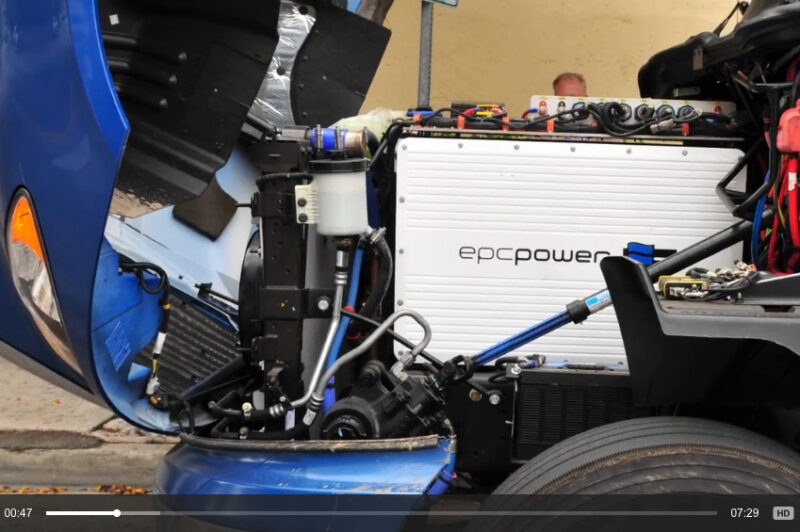
True zero-emissions freight transportation is closer to reality than you might think. TransPower USA has five Class 8 tractors currently in service at the Port of Long Beach, CA. The company also has several yard shunt tractors and school buses in real-world service. These trucks are not cobbled together McGiver jobs, either. They are highly engineered and look just like factory installations. These trucks could be the long sought-after solution to diesel emissions in areas with real air quality issues. We recently had a opportunity to test drive one of these electric Class 8 trucks and found it to be a very functional alternative to a diesel tractor. We had the truck without a trailer, so we can't report on its pulling power, but the company says the truck is powered by two 200-hp electric motors. That's 400 horsepower, plus you get the benefit of the very high torque output of the electric motors.
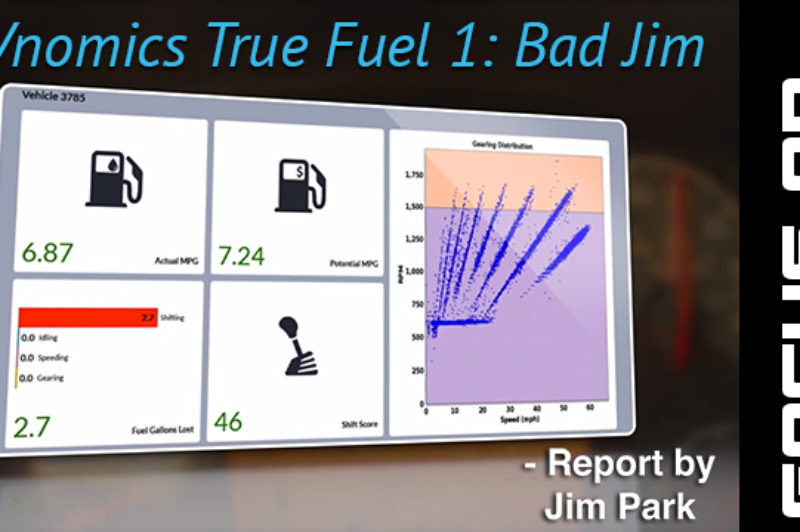
Vnomics’ True Fuel Part One: Bad Jim
PITTSFORD, NY -- Since you can't physically sit beside your drivers all day, observing and coaching their driving habits and performance, some sort of monitoring tool can be quite useful. However, if drivers see such devices as annoying or impeding their ability to drive the truck, they won't happily accept the intrusion.
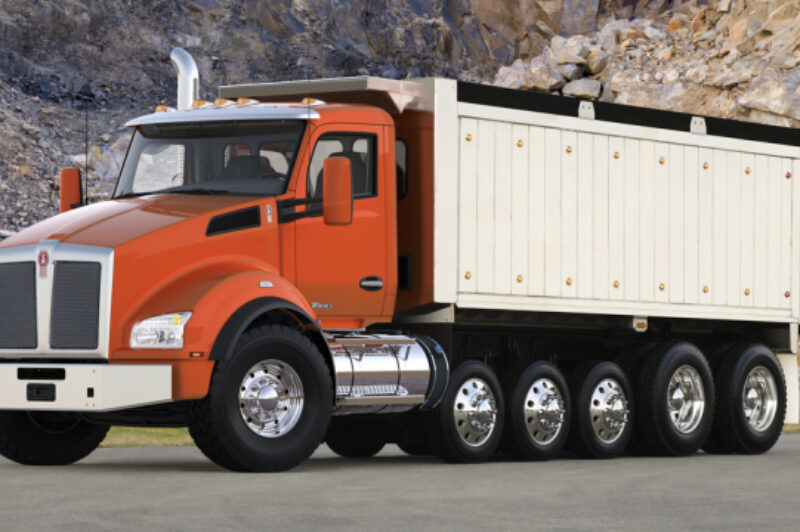
SPECIAL! Kenworth T880 Test Drive in 360° Panorama Video
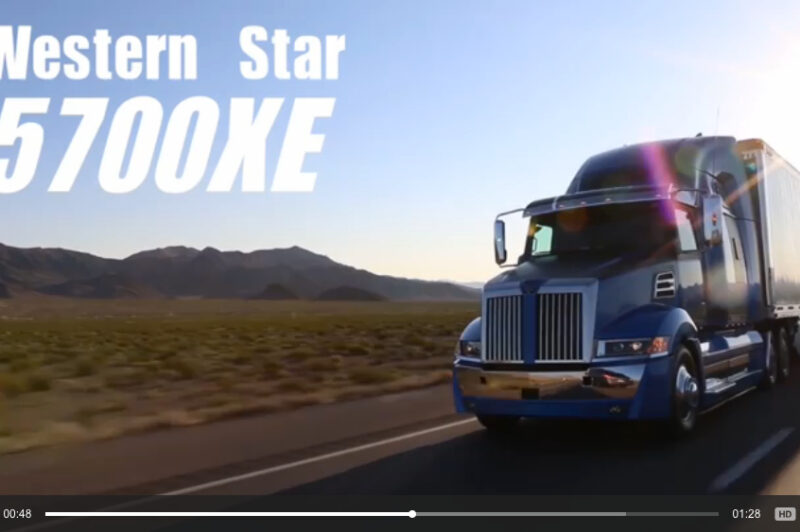
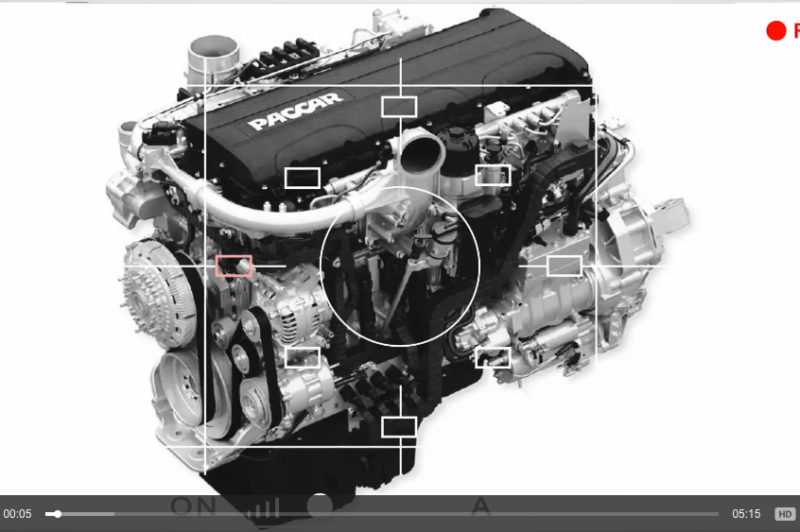
MARSHALL, MI -- What could be better than a test drive video of a spanking new T880 on some really rough terrain? A total 360-degree panorama video, of course. You choose the view; just click, hold and drag the mouse to change the camera angle. Check out this Kenworth T800 dump with an Ohio spec, loaded to 90,000 lb gross vehicle weight working its way up and down 20 percent grades at the Eaton Corp. Truck Proving Grounds in Marshall, MI. Equipment Editor Jim Park pilots the truck through a test course showing off the pulling power of the Paccar MX-11 engine, the shifting prowess of the Eaton UltraShift Plus 8-LL transmission and the gravel-gripping traction of the Hendrickson HMX 460 rear suspension.
Daimler Trucks’ Inspiration
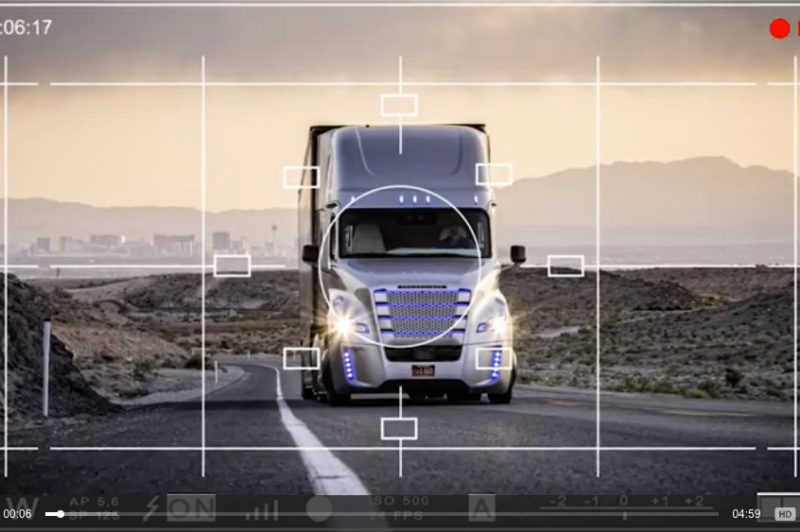
LAS VEGAS -- What happens in Las Vegas is supposed to stay in Las Vegas, but that certainly not the case with Daimler Trucks' recently introduced Inspiration Truck. It's the autonomous commercial vehicle that has taken the world by storm. Literally. Daimler Trucks invited more than 200 journalists from four continents to cover the event, and stories have appeared in over 500 newspapers and on TV news shows all over the globe. Today's Trucking was there too, of course. And we had our chance to ride in the truck. We were not allowed to drive it at this event because it requires some driver certification, which there wasn't time to procure. We did come back from the launch event with this video of our test drive, with Equipment Editor Jim Park in the right-hand seat.
Dana’s Dual Range Disconnect
First revealed at the Mid-America Trucking Show in March, Dana's Dual Range Disconnect drive axle system offers the fuel savings benefit of a downsped 6x2 drivetrain and the performance benefits of conventional 6x4 setup with a mid-range axle ratio. The key word here is disconnect. While running at speeds up to about 54 mph, the system functions as a 6x4 with torque going to all four wheels for optimum traction. It also runs at a 3.10:1 ratio for better performance and startability. Above 54 mph, the interaxle driveshaft disengages, leaving the driving to only the forward drive axle. Interestingly, the axle ratio of the forward axle is 2.26:1, which lowers engine rpm and in effect creates a downsped drive train. The benefit, of course, is better fuel economy resulting from a 300-400 rpm drop in engine speed.
Volvo’s Adaptive Gearing
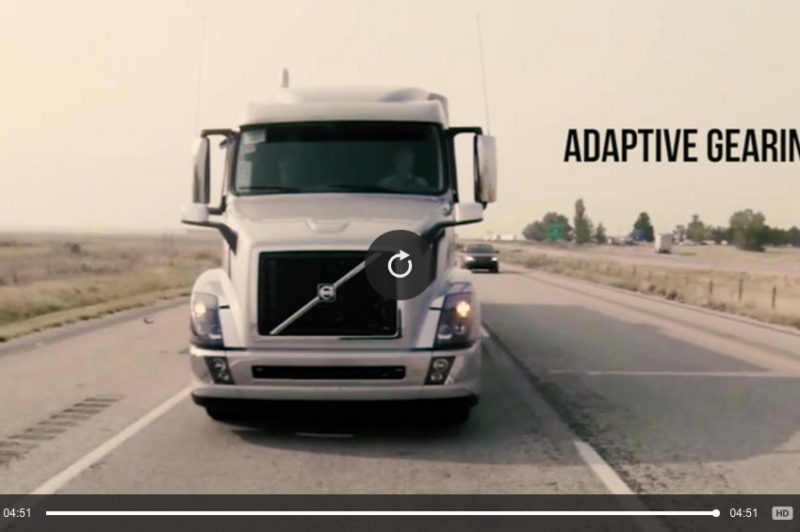
Volvo Trucks has put a new spin on an old powertrain management strategy; by locking out top gear on its I-Shift overdrive transmission, drivers can pull loads efficiently in 11th gear (direct drive) and still get the performance they want. When running empty, sensors in the transmission and the suspension sense the lower weight and unlock 12th gear, which is overdrive. The truck can cruise home in at a very low engine speed at a higher road speed. This video explains how Adaptive Gearing works and features more excerpts from an interview with Gene Brice, co-owner of Idaho Milk Transport. Adaptive Gearing is ideally suited to tank fleets that run about half their miles empty, and when you hear Brice's fuel economy with this system, you'll be asking if it can work for you too. And don't forget to check out our Focus On report on Volvo's Adaptive Loading system to see what it has to offer.
Terror by Truck: It’s happened again
At about the same time North Americans were awaking to the news that President Trump had lobbed 60 Tomahawk cruise missiles onto a Syrian air base an apparent terrorist stole a truckload of beer and crashed it through the front of a Swedish department store. The death toll in the Stockholm department store crash stands at four at the time of this writing.
