Canada can’t afford border system failures

In the last year, much of the discussion from the federal government, with support from industry, has focused on removing internal trade barriers to make Canada more resilient and less reliant on outside pressures. The Private Motor Truck Council of Canada supports that initiative and has raised the issue many times over the years.
At the same time, we must focus on another critical part of our economy. Canada is a trading nation, and our largest trading partner remains directly south of the border. Canada-U.S. trade accounts for more than $900 billion annually, with more than $580 billion moving through land crossings.
It is imperative to our economy and trading relationship that Canada has a stable and reliable system in place to clear goods crossing our border daily.
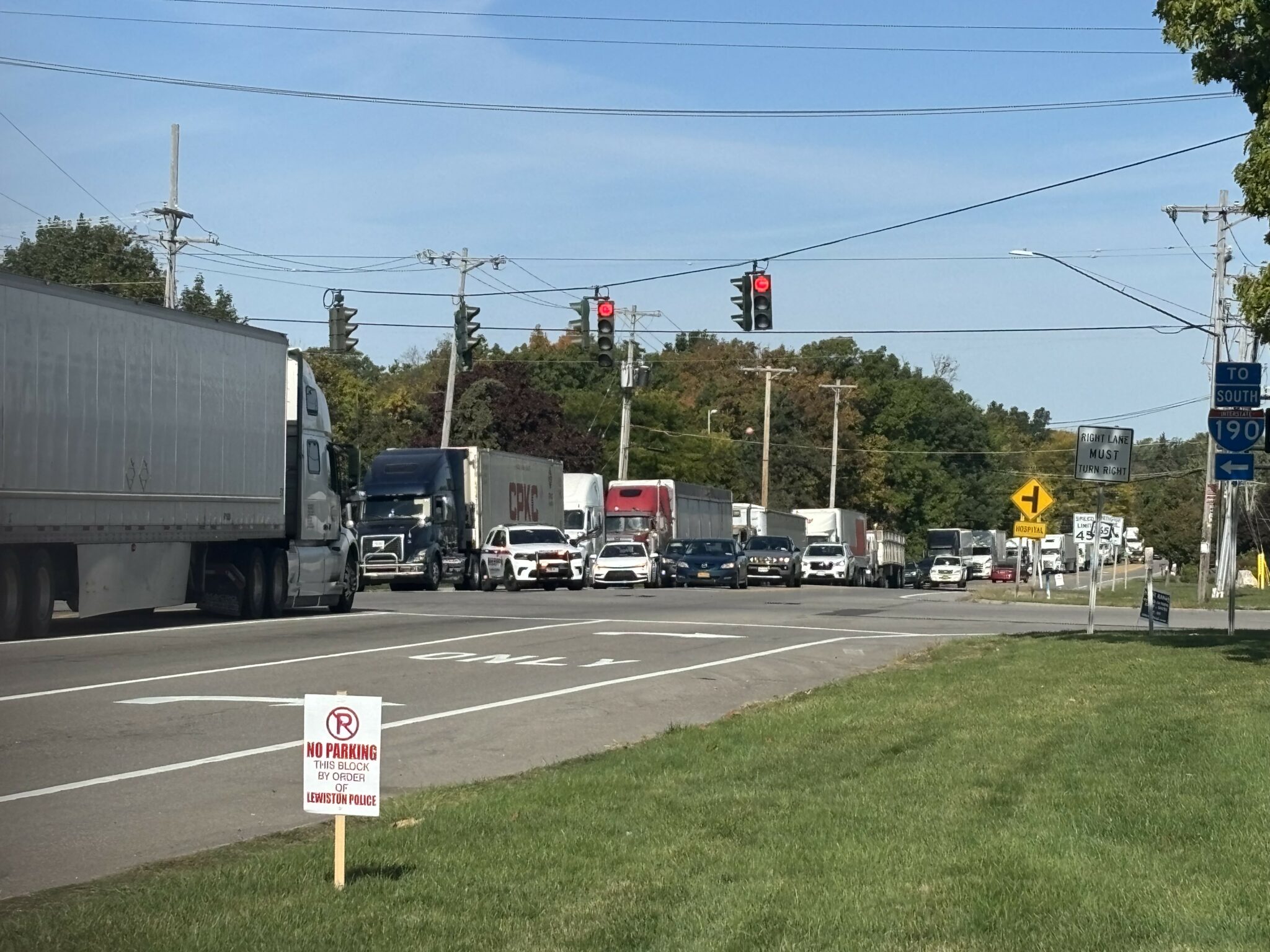
Ontario’s slogan is “Open for Business.” While that may be true, given the current mess at the border, we may need to add a warning to the tagline: “Open for business, but good luck getting your product here.”
Update No. 53 from the Canada Border Services Agency (CBSA) landed in my inbox, outlining delays in receiving and sending messages through the Electronic Data Interchange and eManifest portals used to clear goods entering Canada.
The first notice appeared on April 25. Current delays range from two to four hours. Other updates during that stretch reported delays ranging from minutes to more than seven hours. The pattern has become predictable. Overnight, the backlog clears, and the system nearly catches up by morning. As the day progresses and traffic volumes increase, the system falls behind again.
Drivers sat idle for hours and days
The latest issue stems from an IT network update performed on April 19. But this is far from a new problem.
In September 2025, another update crashed the system because of data corruption. Drivers and freight sat idle for hours, and, in some cases, days. A review later identified human error as the cause. Fair enough, but that was only one symptom of a much larger issue.
A 30-day review ordered by the minister at the time was completed in the fall, and findings were presented to industry on Jan. 28, 2026. Unfortunately, little has changed since then.
Technology developed in 1990s
The bottom line is this: the technology currently being used to clear freight at the border was developed in the 1990s.
Let that sink in.
The first BlackBerry smartphone was introduced in 1999. E-commerce, which has dramatically increased the number of shipments crossing the border every day, barely existed. Yet here we are in 2026, trying to operate a modern trading economy using infrastructure designed for another era.
If the consequences were not so serious, it would almost be comical.
The cost of delays
Instead, the outdated system is costing the economy millions of dollars every day, much of it on the backs of the transportation industry. Delayed freight, idling trucks, missed delivery windows, backed-up border crossings and wasted driver hours all come with a cost.
The review identified improved engagement and communications as the top priority, followed by better emergency management and contingency planning. To CBSA’s credit, improvements have been made in both areas.
However, we still believe more can be done when systems fail. Additional staff should be moved outside to open more lanes and manually process freight to reduce the massive lineups that quickly develop when the electronic system slows or crashes.
No urgency for upgrades
The most concerning part of the report was that upgrading the technology itself was classified as a long-term goal.
From what we have heard, the proposal to seek firms to take on the modernization project will not go out until the first quarter of 2027. That means the actual process may not begin until late 2027 or even 2028.
That is nowhere near urgent enough. This issue should already be a national priority.
The current system cannot handle the volume it is expected to process. Until the federal government commits the necessary funding and begins modernizing the technology, no amount of patching, temporary fixes or contingency plans will solve the problem.
We have been kicking this can down the road for more than 25 years, and the road is heading uphill.
The time to act is already long overdue. Frankly, the situation has become an embarrassment for a country that depends so heavily on trade.
Just heard another notification come through. Likely update No. 54.
Have your say
This is a moderated forum. Comments will no longer be published unless they are accompanied by a first and last name and a verifiable email address. (Today's Trucking will not publish or share the email address.) Profane language and content deemed to be libelous, racist, or threatening in nature will not be published under any circumstances.

Why should the trucking companies not pay for the upgrades and the receivers instead of the taxpayers?