Why washing a tank or trailer is more science than soap

A spotless tanker or reefer trailer isn’t necessarily a safe one.
To the naked eye, a food-grade tanker or refrigerated trailer may appear ready for its next load after a trip through the wash bay. But beneath a polished stainless-steel tank or freshly cleaned trailer floor can lurk microscopic bacteria capable of contaminating flour, dairy products, produce or other food cargo if the equipment hasn’t been cleaned and sanitized properly.
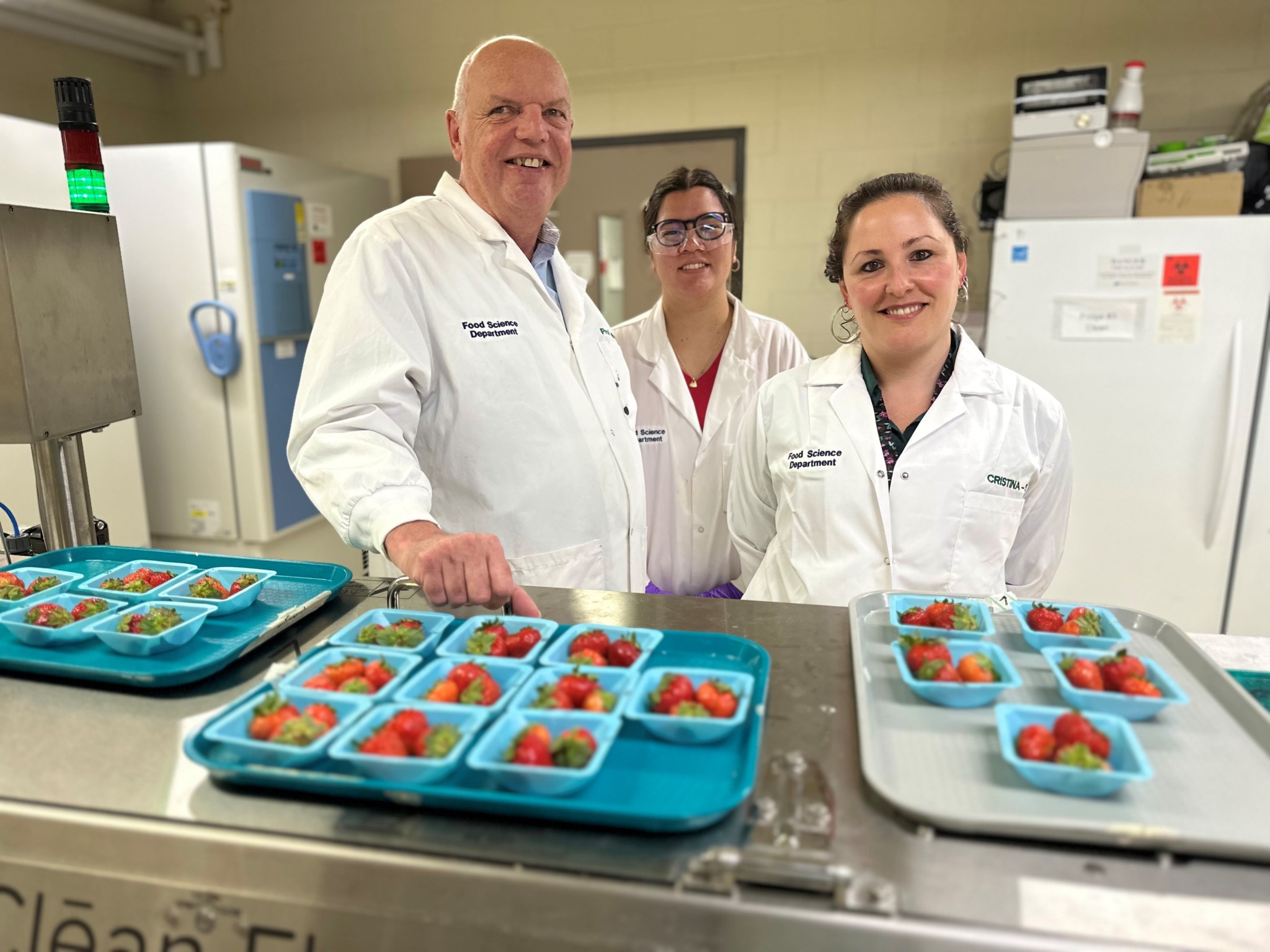
There is a distinction between looking clean and being safe, according to University of Guelph food science professor Keith Warriner. The science behind washing tankers and trailers involves far more than hot water, detergents and pressure. It combines microbiology, chemistry and engineering with carefully developed cleaning procedures designed to prevent cross-contamination before equipment returns to service.
“The biggest misconception is that cleaning is sanitation,” Warriner said. “People say, ‘It looks clean, so it must be clean.’ No, it’s not.”
Cleaning removes visible residue such as proteins, carbohydrates and fats. Sanitizing, by contrast, is designed to inactivate microorganisms that remain after the visible debris has been removed. Confusing the two can have serious consequences, particularly when tankers and trailers haul different food products over the course of a year.
The importance of proper sanitation has been demonstrated repeatedly through foodborne illness investigations.
Warriner points to E. coli outbreaks linked to flour in 2015. During investigations, food safety experts highlighted the possibility that improperly cleaned bulk tankers previously used to haul animal byproducts could contaminate flour shipments. However, official investigations were unable to definitively identify a single source of the contamination, concluding that the wheat or flour could have been contaminated at several points in the supply chain
A carefully controlled process
Those incidents underscore why modern tanker and trailer washing has evolved into a carefully controlled process.
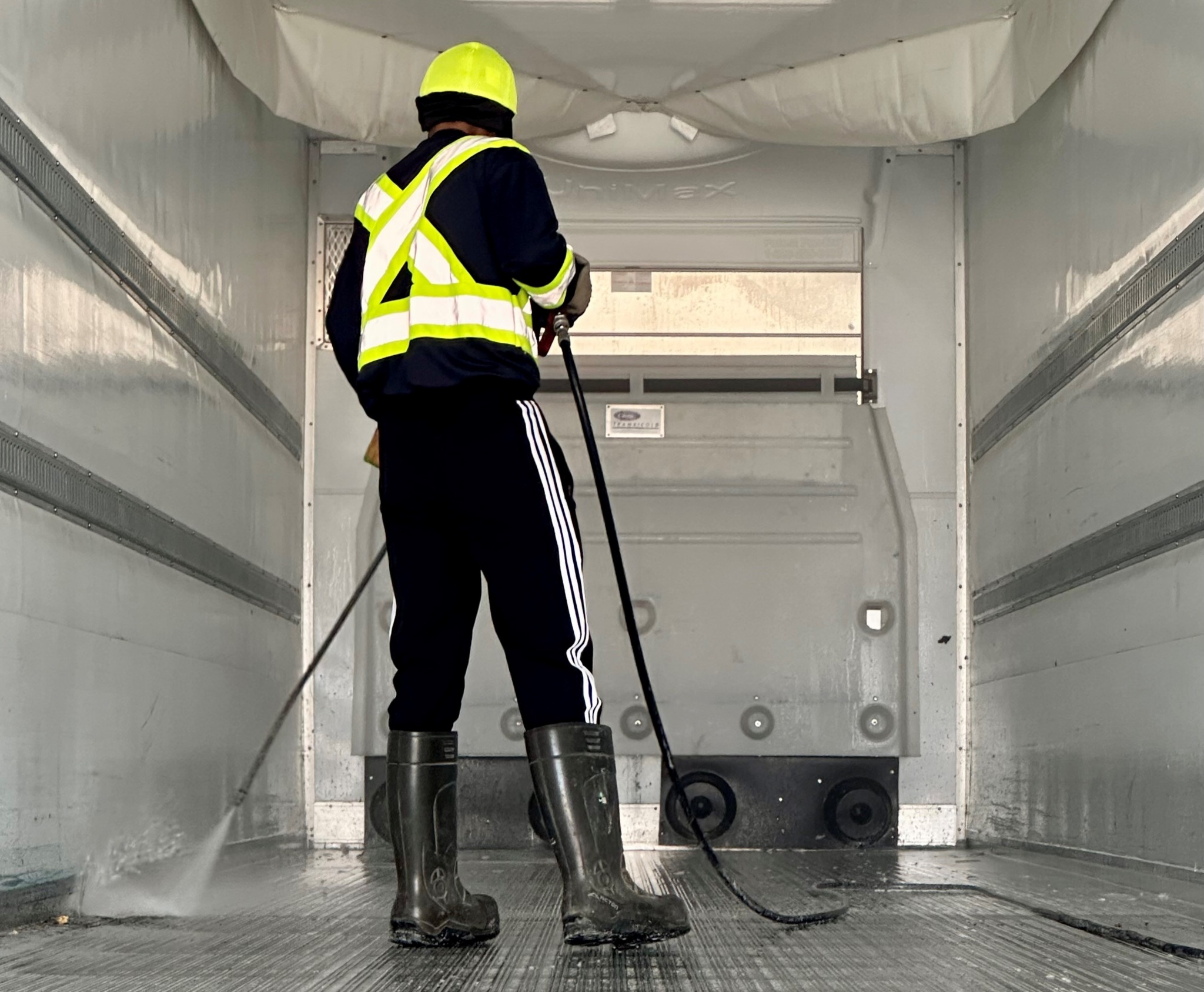
Rather than simply spraying out a trailer or rinsing a tank, operators follow a sequence of cleaning steps. Dry debris is removed first, followed by a rinse. A detergent is then selected based on the previous cargo. After another rinse to remove detergent residue, the equipment is sanitized before receiving a final rinse or drying cycle. Each stage serves a specific purpose.
“The detergent really dictates what sort of soils you have,” Warriner explained.
Different cargo leaves behind different residues. Protein-heavy products require alkaline cleaners to dissolve stubborn deposits, while acidic detergents are better suited to removing mineral scale such as beer stone found in beverage transport. Using the wrong chemistry can leave contamination behind despite the equipment appearing clean.
Equally important is removing every trace of detergent before sanitizing.
“If you don’t follow those five steps, you can get into big trouble fairly quickly,” Warriner warned.
Residual organic material can neutralize sanitizers before they have a chance to kill bacteria, while leftover moisture creates conditions that allow microorganisms to multiply. Drying the inside of a tanker or trailer is therefore an important, but often overlooked, part of the process.
Battling bacteria
Perhaps the greatest challenge isn’t removing dirt but preventing bacteria from establishing permanent homes on the interior surfaces of tanks and trailers.
Given enough time, bacteria attach themselves to microscopic imperfections in stainless steel, aluminum and trailer floors before forming protective communities known as biofilms. These colonies are held together by a sticky matrix that shields bacteria from disinfectants while allowing them to survive for extended periods.
“They like to form these colonies,” Warriner said. “They’re protected from these sanitizers.”
Once established, biofilms become increasingly difficult to remove. Worse still, bacteria within those colonies can exchange genetic material that makes them more resistant to sanitizers over time.
Ironically, some well-intentioned cleaning practices can accelerate the problem.
Aggressive wire brushes can scratch stainless steel and trailer interiors, while overly concentrated bleach or other harsh chemicals may corrode surfaces. Those tiny pits and scratches become ideal locations for bacteria to attach and multiply.
“Prevention is the key,” Warriner said.
Maintaining surfaces
Maintaining smooth interior surfaces, following regular sanitation schedules and avoiding shortcuts are far more effective than trying to eliminate mature biofilms after they develop.
That scientific understanding is reflected in the procedures followed by commercial tanker and trailer wash facilities.
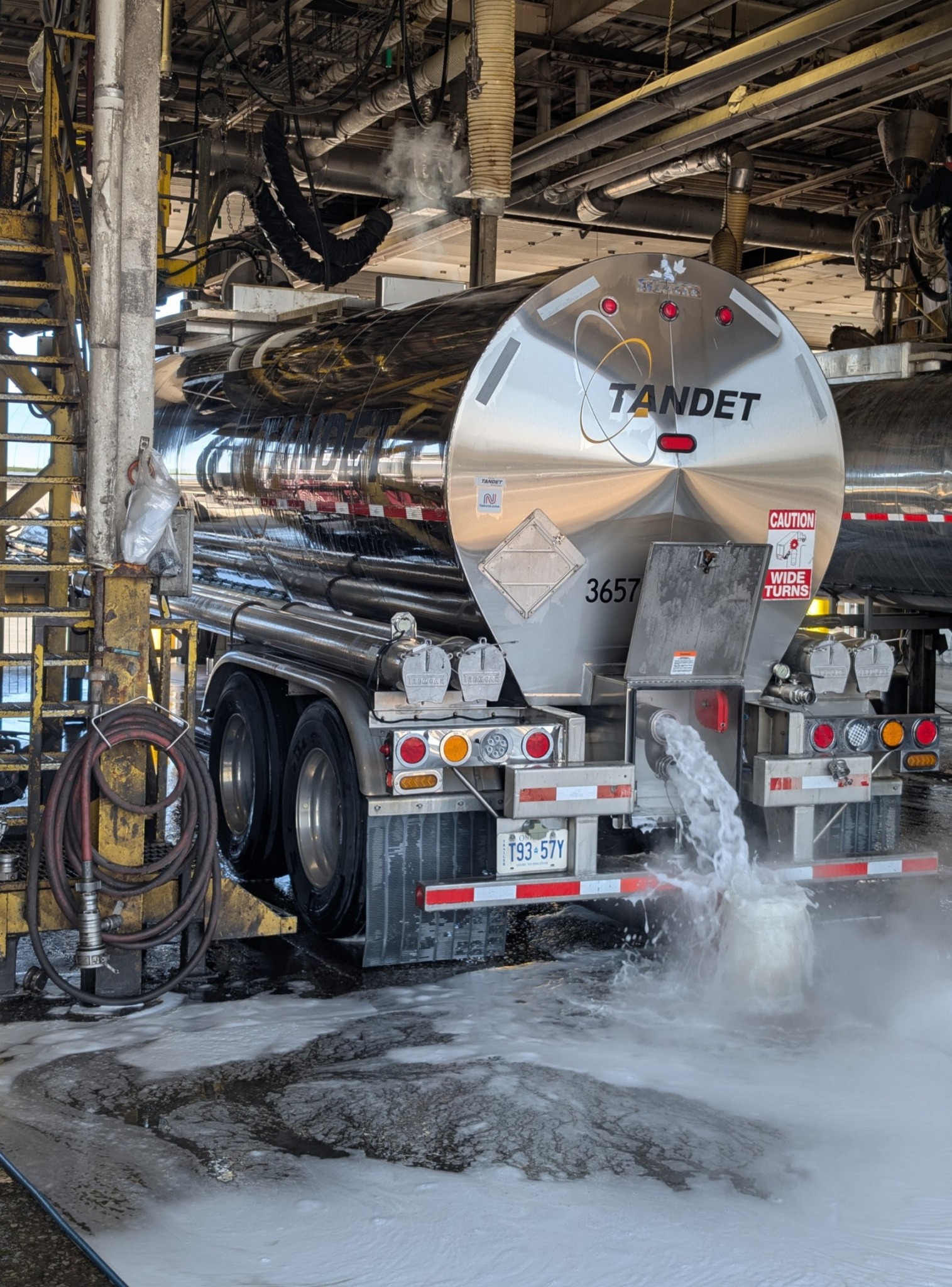
John Anger, general manager of wash and container services at Hamilton, Ont.-based Tandet, said food-grade tank washing is governed by customer-approved standard operating procedures that leave little room for improvisation.
“We don’t just decide how we’re going to wash a tank,” Anger said.
Customers routinely audit wash procedures before approving facilities to clean equipment carrying their loads.
Once cleaning, sanitizing, drying and inspection are complete, every opening into a food-grade tanker is sealed. Seal numbers are recorded on a certified wash ticket so customers receiving the equipment can verify that nothing has been opened or contaminated after leaving the wash bay. Those tickets also identify the previous cargo, cleaning procedures and inspection records, providing traceability throughout the supply chain.
For carriers hauling specialized products, documentation is as important as the wash itself.
“We don’t just decide how we’re going to wash a tank. We have our standard operating procedures. They’re provided to the customer, and you’re audited.”
John Anger, general manager of wash and container services, Tandet
Certain commodities have strict requirements governing what may have previously occupied a tanker. Kosher-certified products, for example, have established rules that determine whether a tank can be loaded immediately after transporting another product or whether additional washing, or even recertification, is required before it returns to service. Wash facilities must also follow customer-specific standard operating procedures that are routinely audited to ensure consistency.
“We don’t just decide how we’re going to wash a tank,” Anger said. “We have our standard operating procedures. They’re provided to the customer, and you’re audited. They come in and check your process.”
Maintaining the equipment itself is another critical part of sanitation.
Cracks, pits and damaged welds create ideal places for bacteria to hide, so tanks undergo regular inspection, repair, polishing and passivation to restore corrosion resistance and minimize contamination risks. Trailer interiors require the same attention to damaged floors, walls and drainage systems before they become places where bacteria can establish themselves.
Sanitation challenges
While tankers receive much of the attention, refrigerated trailers transporting food present many of the same sanitation challenges.
Residual meat juices, spilled dairy products, produce debris and standing water can all provide food for bacteria if equipment isn’t thoroughly cleaned after unloading. Floor grooves, drains and wall joints become particularly vulnerable because they’re difficult to reach with conventional washing equipment. Those hard-to-clean areas are precisely where microorganisms can survive between loads.
Jordan Verspeeten, president and owner of Power Shine Mobile Wash based in Milton, Ont., has built his business around cleaning refrigerated trailers and other commercial equipment.
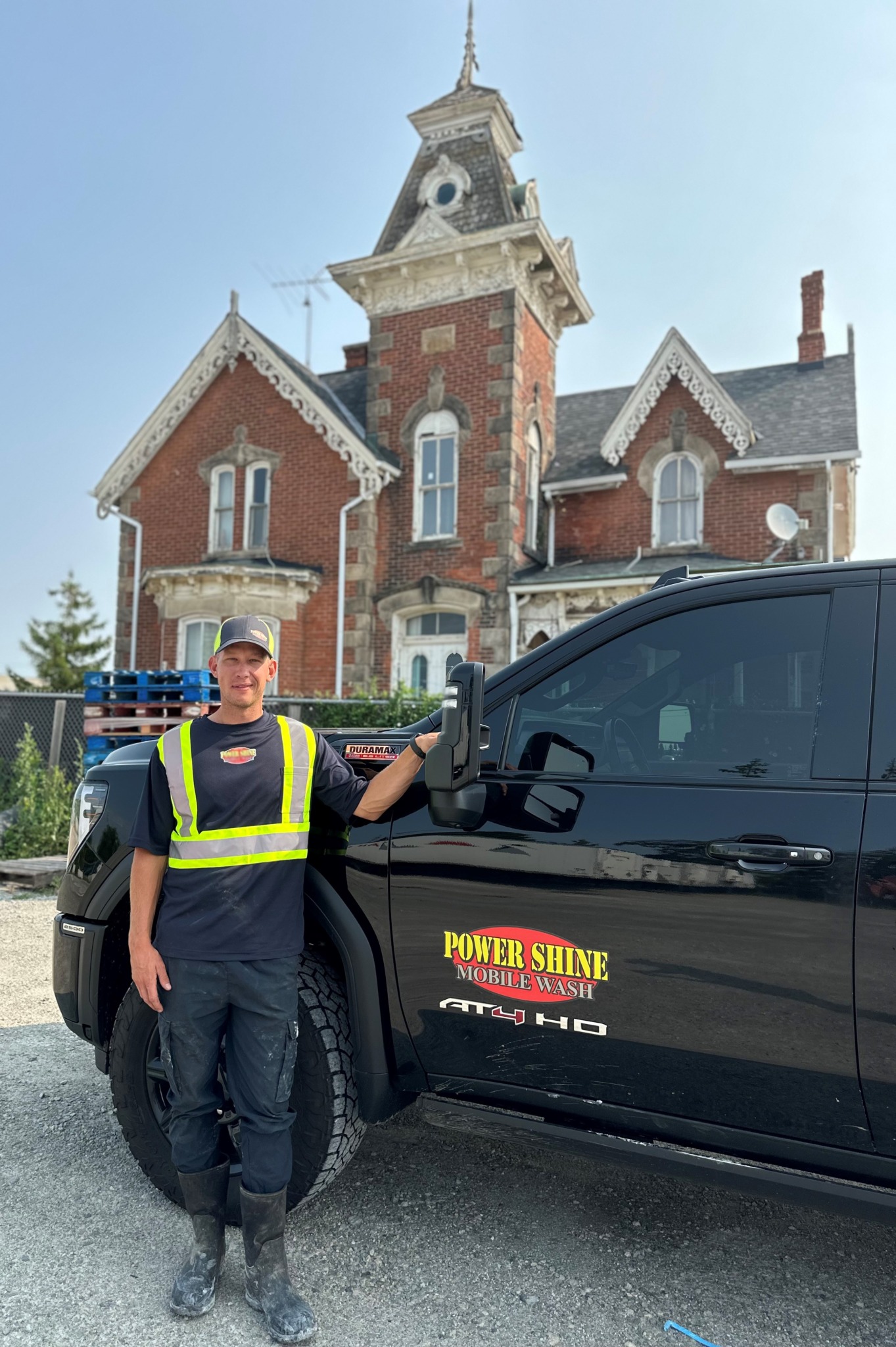
His crews begin with biodegradable food-grade detergents before pressure washing trailer interiors. Customers can then choose an additional probiotic treatment developed with detergent maker Multi-Blend that continues working after the wash is complete.
Rather than masking odors with fragrances, the treatment leaves beneficial microorganisms behind that consume residual organic matter responsible for smells while continuing to break down bacteria after the trailer leaves the wash bay.
“I’m not the science behind it,” Verspeeten said. “I’m the execution.”
For Verspeeten, the objective extends beyond making equipment look clean.
Investing in equipment
Road film, grease, spilled food products and debris all require different approaches. His company has also invested in remote-operated washing equipment that allows technicians to switch between detergents and rinse cycles without dragging multiple heavy hoses around trailers, reducing worker fatigue while improving productivity.
The chemistry behind those cleaning products continues to evolve.
Leah Coutinho Mauer, chief operating officer of Mississauga, Ont.-based Multi-Blend, said manufacturers are developing increasingly specialized products designed for specific contaminants rather than relying on one detergent for every application.
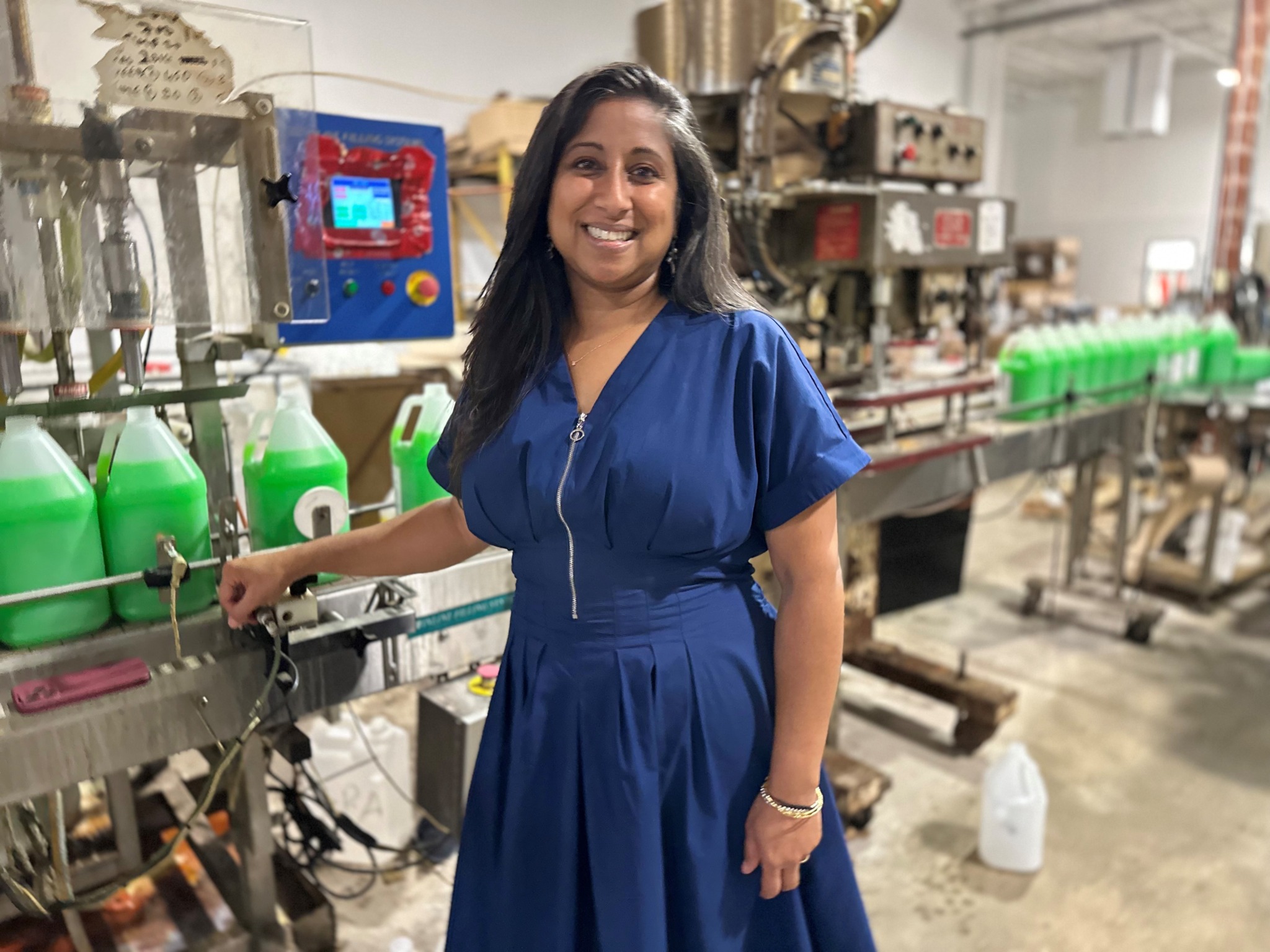
The company’s two-step exterior wash uses an acid cleaner followed by a caustic rinse to remove road film, insects and grime without brushing, while other products target heavy grease and oil deposits that conventional soaps struggle to remove. For trailer interiors, the company has developed a probiotic treatment that leaves behind beneficial bacteria that continue consuming organic material responsible for odors.
“It’s not masking it with a perfume,” Coutinho Mauer said. “It’s actually eating up the organic matter.”
She said the chemical industry is also moving toward lower-emission, biodegradable formulations while searching for alternatives to some of the harsher acids traditionally used throughout the trucking industry.
“We’re constantly evolving in our material uses to try to look for the best possible scenarios,” Coutinho Mauer said.
Researchers, meanwhile, are looking beyond conventional liquid sanitizers altogether.
Sanitizing with hydroxyl radicals
University of Guelph’s Warriner has studied systems that generate hydroxyl radicals using ultraviolet light, hydrogen peroxide and ozone. Those highly reactive molecules occur naturally in the atmosphere, where they help break down pollutants. Inside a controlled chamber, however, they can penetrate hard-to-reach corners and crevices while destroying microorganisms without leaving chemical residue behind.
The technology has already demonstrated success sanitizing fresh produce and laboratory-grown biofilms. He is partnering with Clean Works founder Paul Moyer to adapt the process for use in trailers and transportation equipment, offering the potential to sanitize surfaces that conventional liquid chemicals may never reach.
Automation is also expected to reshape the industry.
Tandet’s Anger envisions wash facilities where programmable systems automatically control water temperature, pressure, detergent concentration, rinse cycles and drying times while reducing manual labor and improving consistency. At the same time, Warriner believes antimicrobial coatings that prevent bacteria from attaching to surfaces could become another important tool in the fight against contamination.
Resist temptation to take shortcuts
The science behind washing tankers and trailers continues to advance, but Warriner says the fundamentals remain unchanged. Successful sanitation depends on using the right chemistry, following the proper sequence of cleaning steps, maintaining equipment in good condition and resisting the temptation to take shortcuts.
For an industry moving everything from milk and edible oils to flour, produce, meat and packaged foods, those practices are about far more than clean-looking equipment. They help protect the integrity of the food supply while reducing the risk of costly cross-contamination, rejected loads and foodborne illness.
In the end, the goal isn’t simply to make a tanker or trailer shine. It’s to ensure the next load begins its journey on a surface that’s been cleaned according to science, and not appearances.

Have your say
This is a moderated forum. Comments will no longer be published unless they are accompanied by a first and last name and a verifiable email address. (Today's Trucking will not publish or share the email address.) Profane language and content deemed to be libelous, racist, or threatening in nature will not be published under any circumstances.