DTNA updates software to meet new EPA guidance on diesel exhaust fluid

Daimler Truck North America (DTNA) is updating hundreds of thousands of Detroit-powered trucks with revised diesel exhaust fluid (DEF) inducement software designed to reduce unnecessary downtime while maintaining emissions compliance.
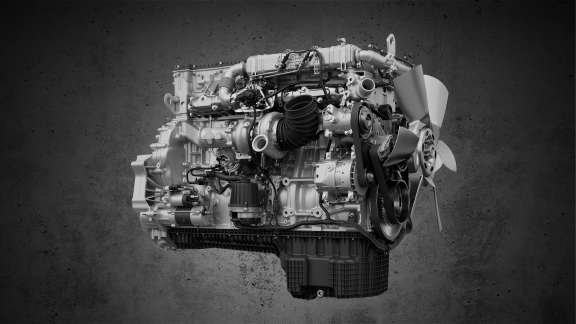
The manufacturer announced June 18 that its newest Freightliner and Western Star trucks equipped with Detroit engines are already shipping with the updated software. The company also began rolling out the update to approximately 330,000 in-service vehicles in February, covering DD15 engines from model years 2021-2025 and DD13 engines from model years 2022-2025.
The software changes follow updated guidance issued by the U.S. Environmental Protection Agency (EPA) in August 2025.
DEF inducements are designed to ensure emissions systems remain operational by progressively limiting a truck’s performance when issues are detected, such as low DEF levels or malfunctions within the selective catalytic reduction (SCR) system. Under previous rules, trucks could eventually be limited to speeds as low as 5 mph.
The updated software increases the final inducement speed limit from 5 mph to 25 mph and extends the amount of time operators have to address component-related faults before reaching the final stage of inducement.
The company said the changes are intended to give fleets and owner-operators more flexibility to complete repairs without bringing operations to a standstill.
“For too long, small businesses like farmers, truckers, and construction workers have borne the cost of unreliable DEF systems through expensive repairs and needless downtime,” said Kelly Loeffler, administrator of the U.S. Small Business Administration.
Loeffler said the agency had encouraged OEMs to adopt the EPA’s revised guidance.
The update does not eliminate inducements altogether. Trucks will still require repairs to remain compliant with emissions regulations, and the logic governing inducements triggered by low DEF tank levels remains unchanged.
DTNA said SCR technology continues to play a critical role in reducing nitrogen oxide (NOx) emissions by using DEF to convert pollutants into nitrogen and water.
The company said it has also informed its dealer network of the changes to ensure consistent implementation and support throughout its service network.
The rollout is expected to continue through the remainder of 2026.

Have your say
This is a moderated forum. Comments will no longer be published unless they are accompanied by a first and last name and a verifiable email address. (Today's Trucking will not publish or share the email address.) Profane language and content deemed to be libelous, racist, or threatening in nature will not be published under any circumstances.