Fastfrate at 60: From boxcars to a billion-dollar logistics network

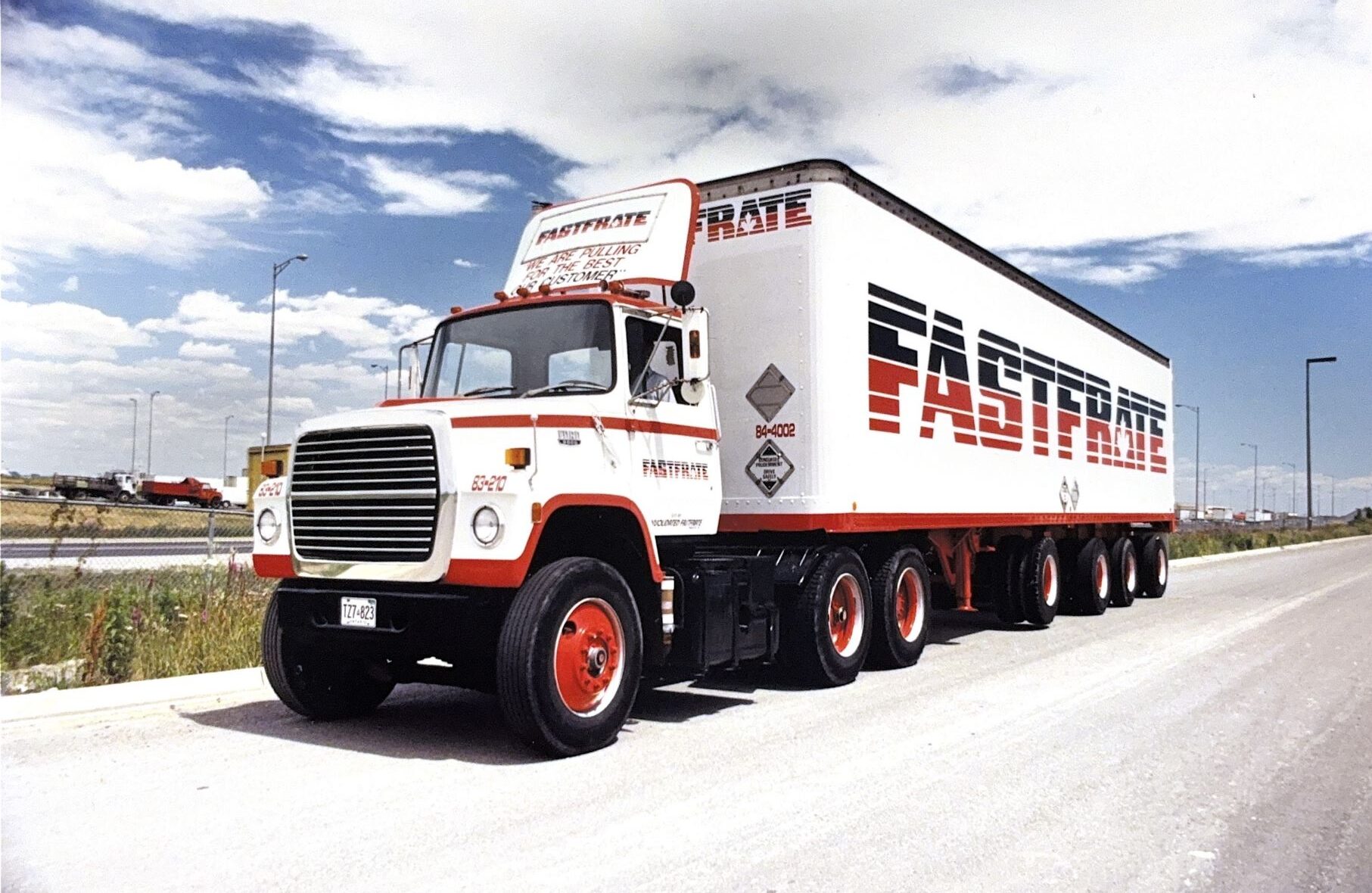
What started as a small operation repositioning empty rail boxcars has grown into one of Canada’s largest privately held transportation and logistics groups, which this year celebrates its 60th year in business.
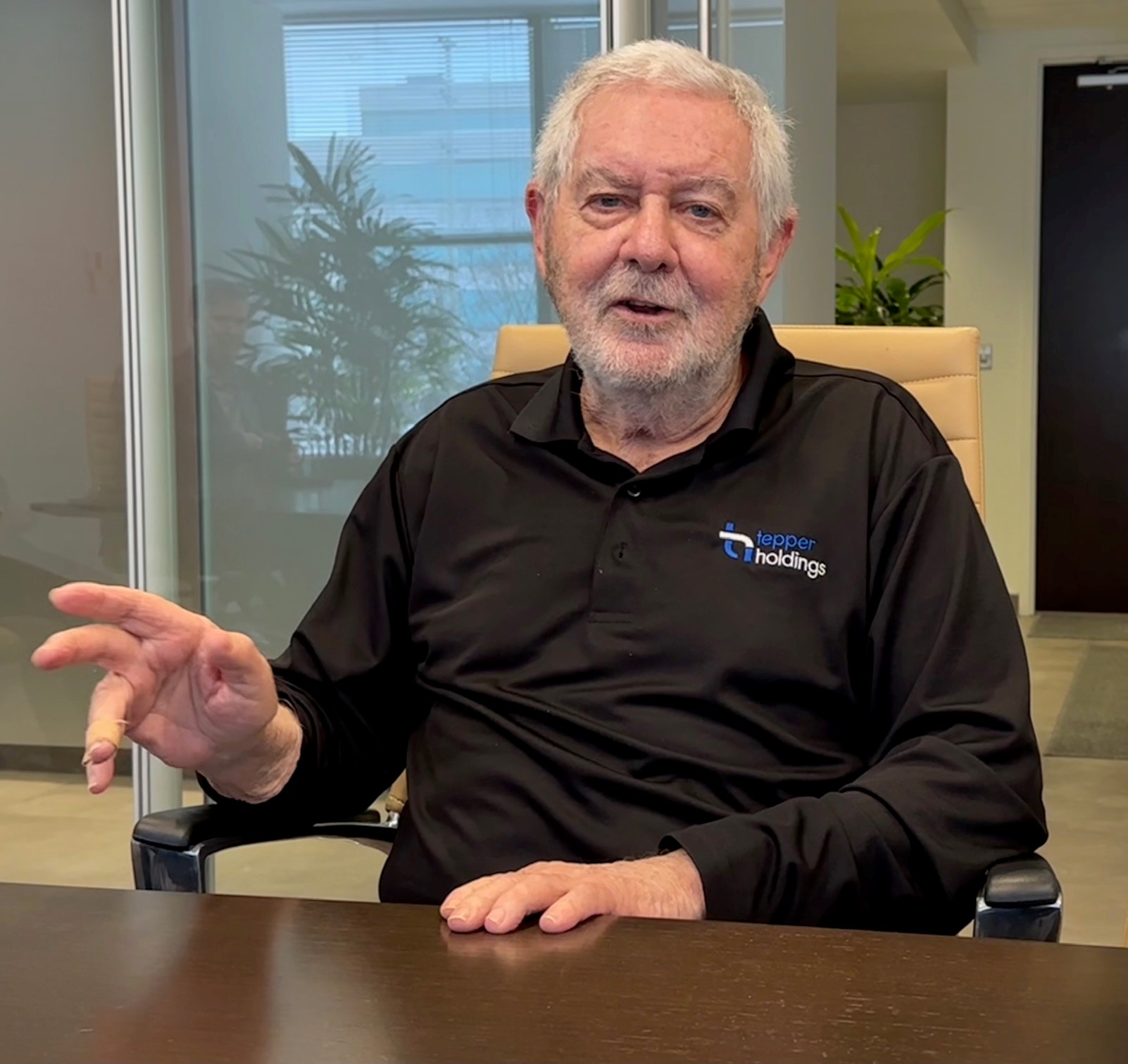
As Fastfrate prepares to celebrate the milestone with events throughout the year, chairman Ron Tepper looks back at a business that has repeatedly reinvented itself and continues to do so.
Built on relationship with rail
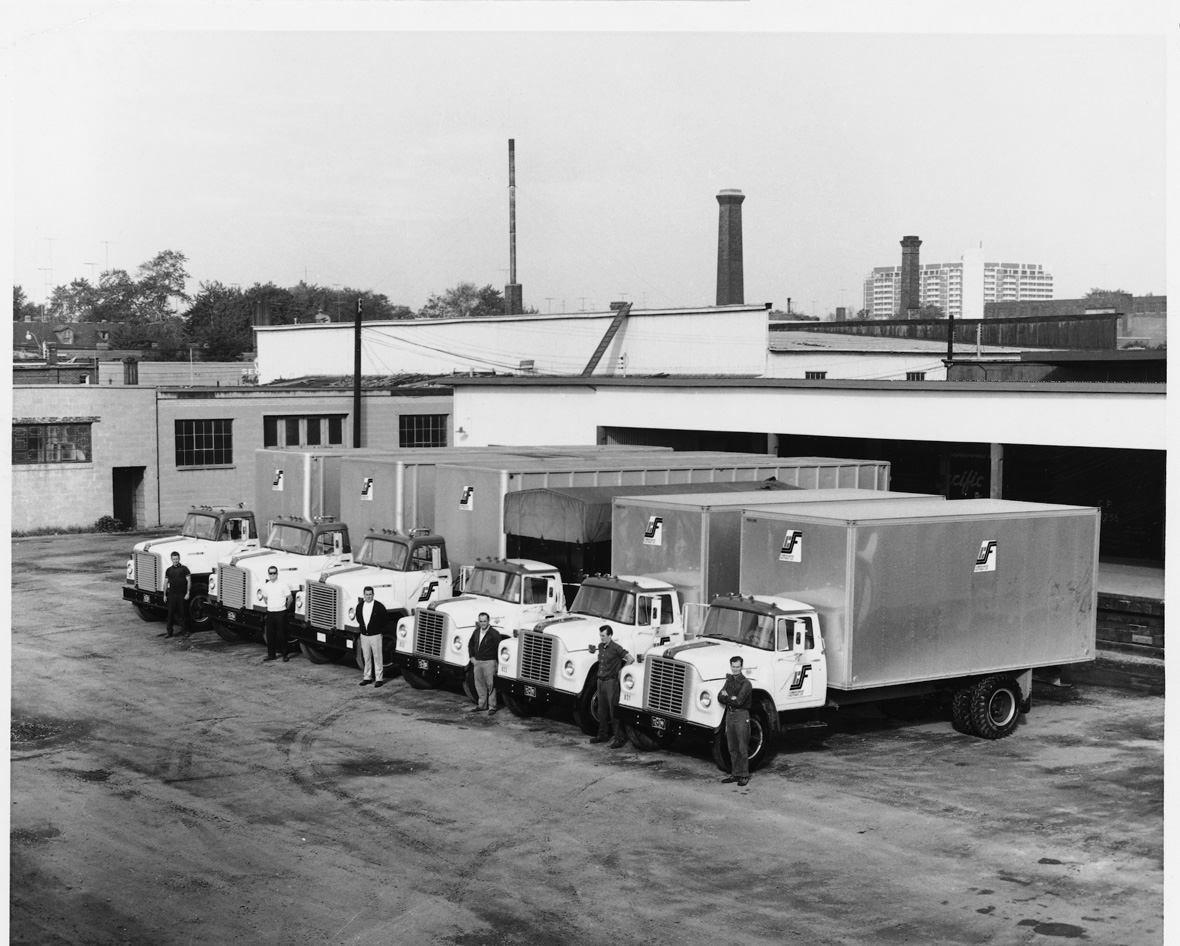
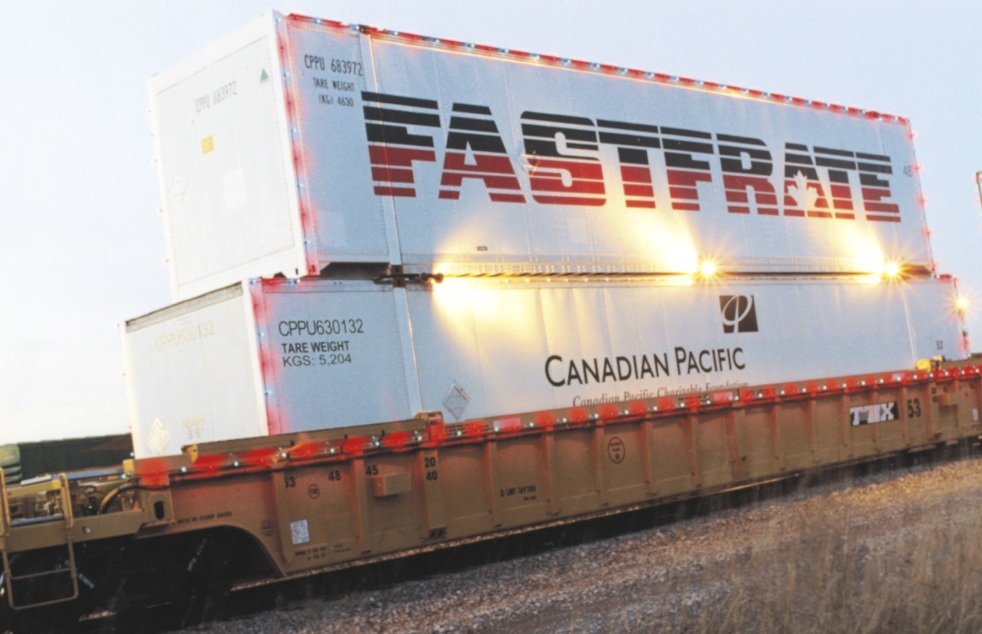
Fastfrate’s origins date back to 1966, when founder Don Freeman struck a deal with CP Rail to reposition empty boxcars heading back west. That relationship with Canadian Pacific Kansas City remains a cornerstone of the business, and, Tepper argues, a competitive advantage no one else can match.
“We’re the only guys that have the relationship in Canada that we have with CP,” he said, noting the company now moves about 30,000 containers a year through its network.
That partnership has evolved well beyond boxcars. Today, Fastfrate operates facilities directly adjacent to CP terminals in key markets, with the ability to move containers in and out of rail yards without the congestion most competitors face.
“Our guy gets in and out there in 10 or 15 minutes,” Tepper said. “Nobody has that.”
Tepper’s turnaround
Tepper entered the picture in the early 1990s, acquiring the business during a downturn when its future was uncertain. At the time, Fastfrate was losing money and employees feared it would be shut down.
“I made a deal to spend six months in the company to see if we could fix it,” Tepper recalled. “It took me about a month to realize we could.”
Support from CP proved critical, both because of Fastfrate’s role in its network and because of the companies’ financial ties. From there, the turnaround laid the foundation for decades of growth.
Growth came rapidly, almost uncomfortably so
Growth didn’t come without risk — or moments of doubt. One defining shift came in the late 1990s, when the company moved from boxcars to intermodal containers. That meant building its own facilities across the country — a massive capital undertaking.
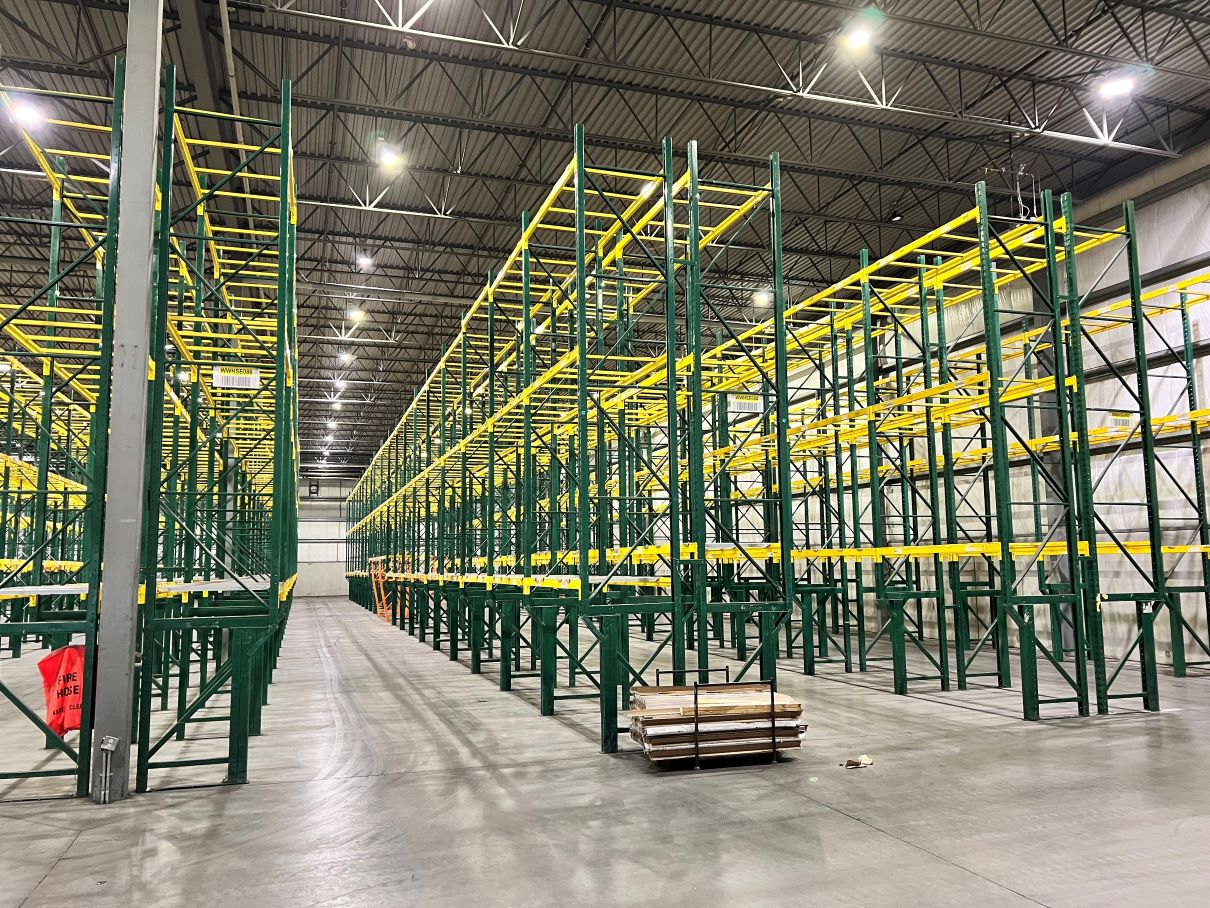
In Montreal, the company jumped from a 25,000 sq.-ft. operation into a 175,000 sq.-ft. crossdock.
“I remember standing there on a Saturday morning looking at it, thinking, how are we going to fill this building?” Tepper said.
They filled it within two years.
A similar leap came in the Toronto area, where Tepper purchased 45 acres of land near a rail terminal — long before the surrounding area was developed.
“People said, ‘Are you out of your mind? What are you going to do with 45 acres?’” he recalled.
Today, that site is a core hub in a heavily built-up logistics corridor.
Even the company’s Calgary facility drew reactions when it opened — including from then-CP CEO Rob Ritchie.
“He said, ‘Man, this is a BFB,’” Tepper recalled with a laugh. “I asked him what that meant. He said, ‘It’s a big f—-ing building.’”
The tongue-in-cheek comment left Tepper more determined than ever to fill that BFB.
From rail partner to logistics provider
Over time, Fastfrate expanded far beyond its rail roots. The launch of Canada Drayage Inc. in 1999 added a trucking component to support intermodal operations. Warehousing, transloading, and 3PL services followed, along with a steady stream of acquisitions.
Recent deals — including Challenger Motor Freight, ASL Distribution, and Omnitrans — have expanded the company’s reach into truckload, warehousing, last-mile delivery, and international freight forwarding.
Today, the broader group generates roughly $1.2 billion in revenue and employs thousands across Canada.
For Tepper, the company’s growth is rooted in culture as much as strategy.
“We don’t lose people,” he said, pointing to dozens of employees with 30-plus years of service.
That same philosophy extends to acquisitions, where the focus is on adding talent, not fixing broken businesses.
“We’re not looking for fixer-uppers,” Tepper said. “We want good companies with good people.”
Another key partner has been Scotiabank, which Tepper credits with enabling the company’s expansion. “They’ve been unbelievable,” he said. “We’ve been able to grow at a much quicker pace because financing was never an issue.”
Chasing the next phase
Despite six decades of growth, Fastfrate is far from finished. It recently completed an acquisition of international customs broker Omnitrans, which positions the company to handle freight from origin to destination globally.
Tepper has set his sights on $2 billion in revenue — a target he expects to reach within about two years, largely through acquisitions. Organic growth, he said, will remain modest.
“If we grow five to 6% a year organically, that’s good,” he said. “To get to where we want to be, it’s going to come from acquisitions.”
The 60th anniversary will be marked with events across the country, including customer forums, branch visits, and employee recognition programs.
But for Tepper, the milestone is less about looking back than reinforcing what got the company here.
“In three words: people, evolution, and resilience,” he said.

Have your say
This is a moderated forum. Comments will no longer be published unless they are accompanied by a first and last name and a verifiable email address. (Today's Trucking will not publish or share the email address.) Profane language and content deemed to be libelous, racist, or threatening in nature will not be published under any circumstances.