Ignoring telematics data could expose fleets to nuclear verdicts

A story of a four-truck fleet of a flooring company that was hit with a $26-million verdict should serve as a cautionary tale for carriers that install safety devices and telematics but fail to use the collected data to properly coach drivers and enforce safety protocols. This is according to trucking attorney Doug Marcello, who spoke on a panel during the Motive Vision conference in Nashville last week.
He recalled the case in which the flooring company driver drifted off the road around 2 a.m. and struck another driver who had pulled onto the shoulder while trying to check directions after dropping his trailer and bobtailing back to Florida. Even though the struck driver received no treatment, the jury came back with a $26-million verdict.
“The reason was — they had a speed monitoring device on the trucks, but didn’t follow it, didn’t enforce it, and that was what the detonator was for the nuclear verdict,” Marcello said.
He used the case to highlight what the industry calls “discovery fallacy” — the belief that collecting less data reduces legal exposure – and argued the opposite is true. This is because attorneys already know fleets possess an extensive set of driver, speed, hours-of-service, maintenance, and coaching data.
“I monitor the billboard attorneys’ websites and their groups. They’re giving seminars out there, ‘Trucking, a treasure trove of data’. They know what you have. So, here’s the deal: either you can get ahead of it and write your own narrative, or you can let them write it for you. And theirs is not going to be very nice,” Marcello said.
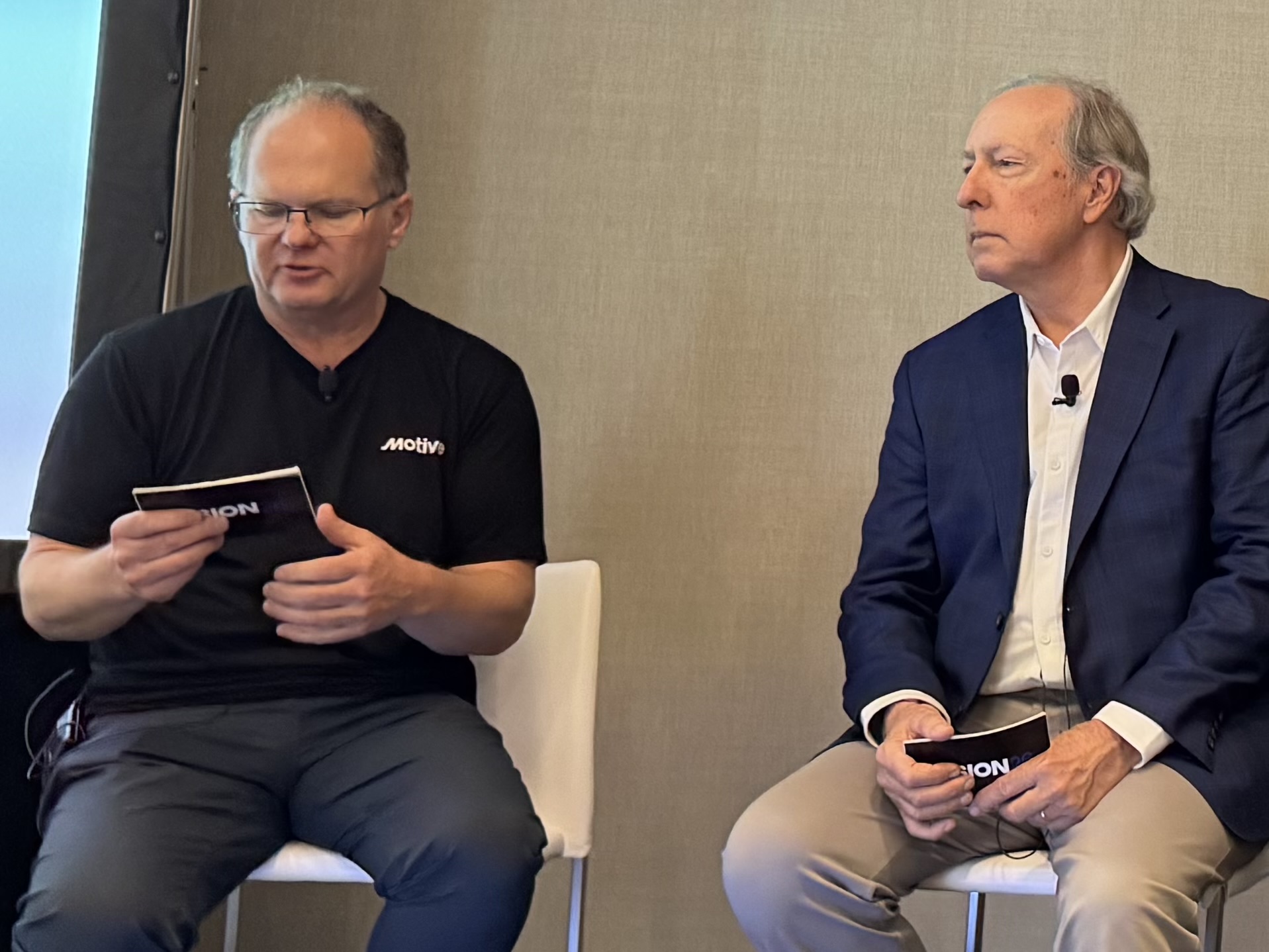
He warned carriers that the problem is not the existence of telematics data itself, but fleets failing to actively monitor, analyze, document, and act on the information those systems generate. He advised carriers to understand which KPIs correlate most closely with crash risk, closely monitor them, and use telematics and AI tools to create objective evidence of active safety management and coaching.
He also said that AI tools will become very important in future litigation processes because it can counter what he described as subjective opinions from plaintiff experts with consistent, data-based evidence.
“Cases don’t turn on the accident. Everybody on a jury can understand somebody can make a mistake. What they turn on is the systemic failures of companies. Those systemic failures are generated evidentially by looking at the documentation and trying to come up with a hiccup where you didn’t provide something or have something, where you have an issue in what you do and don’t follow that procedure, that’s what puts the verdicts up there.”
Marcello said plaintiffs’ attorneys routinely request months of operational records following a crash, including hours-of-service logs, driver qualification files, vehicle inspection reports, maintenance records, speed data, and telematics alerts, searching for evidence that a fleet failed to follow its own procedures.
He warned that on top of unused telematics data, other things like written policies, manuals, and safety programs can quickly become liabilities when fleets fail to enforce them consistently.
“Too many people think that policies and manuals are defense, and they’re not. If you have policies you’re not enforcing, or that you can’t enforce, you’re writing a check you can’t cash.”
Marcello cautioned carriers against what he described as “ghost coaching”, instances where fleets get the data and collect it, and either fail to coach drivers or fail to prove and document that they did.
And even when fleets do actively coach their drivers, not all are receptive to feedback. Then, tough decisions have to be made.
Marcello – while acknowledging the hard operating environments and lack of qualified drivers on the road– argued fleets cannot afford to retain drivers who repeatedly ignore coaching, fail to adhere to policies and do not meet safety expectations, especially as verdicts continue to climb.
“We have 200,000 people in the Drug and Alcohol Clearing House that haven’t started the [return to duty] program, we got [another] 150,000 with English language proficiency issues, and we have 194,000 on the visa, non-resident CDLs — so we’re talking close to 10-11% of the driver force out there is disqualified,” he said. “That’s the tough thing, but I tell folks — think about it — how many miles are your good drivers going to have to drive to pay for that one bad driver to keep on?”

Have your say
This is a moderated forum. Comments will no longer be published unless they are accompanied by a first and last name and a verifiable email address. (Today's Trucking will not publish or share the email address.) Profane language and content deemed to be libelous, racist, or threatening in nature will not be published under any circumstances.