Motive Vision, Part 1: Hardware integrations strengthen AI safety tech’s role in fleet operations

Fragmented systems, manual workflows, and what Motive co-founder and CEO Shoaib Makani described as “the limits of human attention” are the biggest challenges the company sees customers facing in modern-day fleet operations.
To address that challenge, the company unveiled a series of AI-powered hardware systems designed to move beyond simple video recording into real-time operational awareness and predictive safety intervention. They were revealed for the first time at Motive Vision, the company’s annual user conference in Nashville, Tenn.
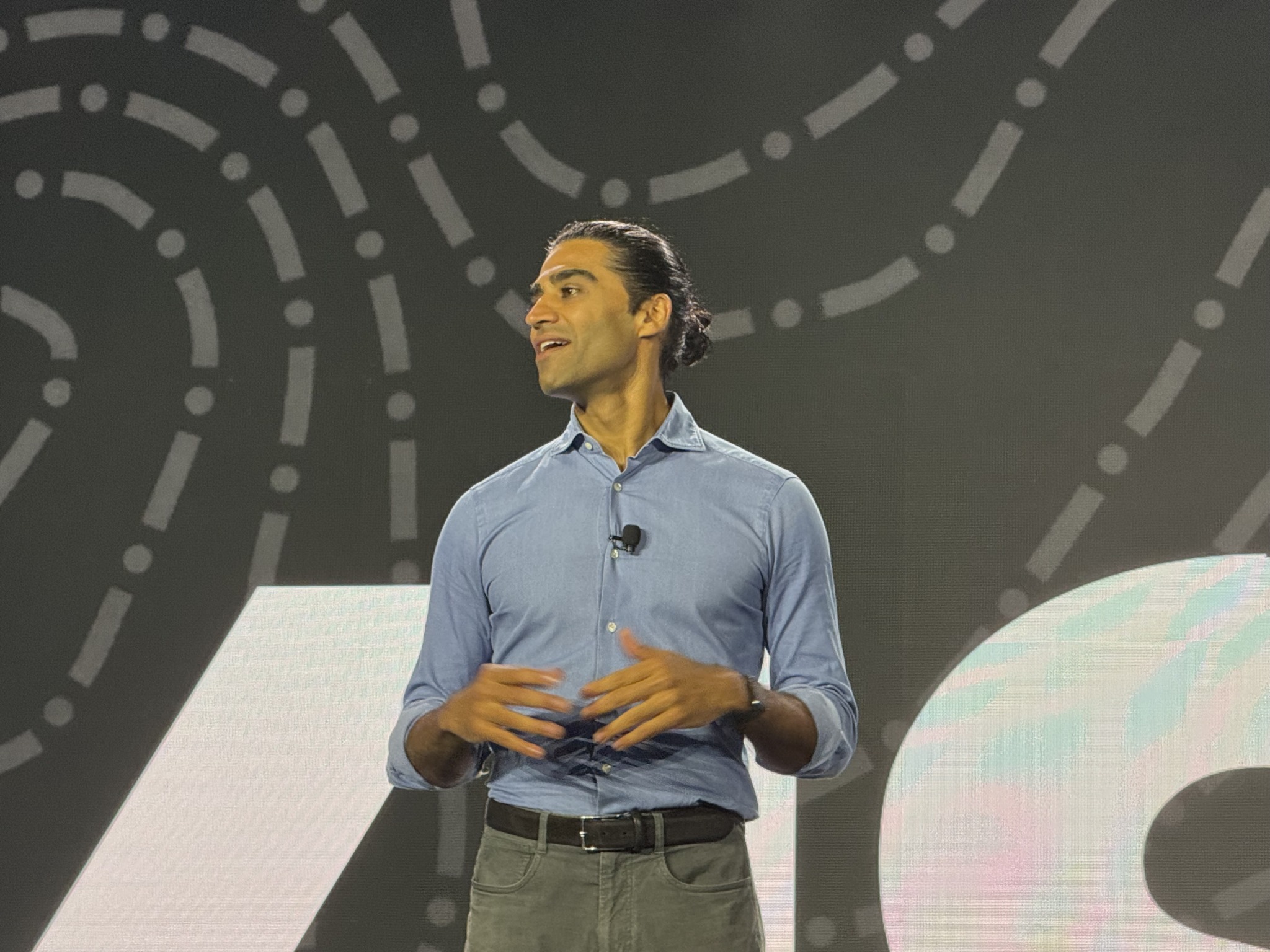
“While the work you all do is different across industries … there are two common themes that come up in almost every conversation. Number one, there’s too much fragmentation in the tools you use, which leads to operational complexity, and there is far too much manual work, which is dragging your productivity. The solution to these two universal challenges is integration and automation,” Makani told attendees during a keynote presentation on May 27.
“This year we took integration beyond software into the world of hardware,” he said while unveiling AI Dashcam Plus and AI Omnicam Plus platforms that combine telematics, computer vision, and AI processing into integrated systems designed to reduce blind spots, minimize false alerts, and improve real-time decision-making inside the cab.
AI Dashcam Plus moves toward predictive safety
AI Dashcam Plus combines telematics and an AI dashcam into a single device. According to Motive, the integrated hardware reduces installation time nearly in half, while reducing points of failure associated with separate devices.
But much of the presentation focused on predictive safety capabilities powered by stereo vision and onboard AI processing.
Nihar Gupta, Motive’s vice president of product, contrasted traditional dashcam systems with what he described as a new generation of AI-powered safety technology. He said conventional single-lens dashcams “see the world in 2D” and often rely on frame-by-frame calculations based on distance, speed, and time-to-collision thresholds.
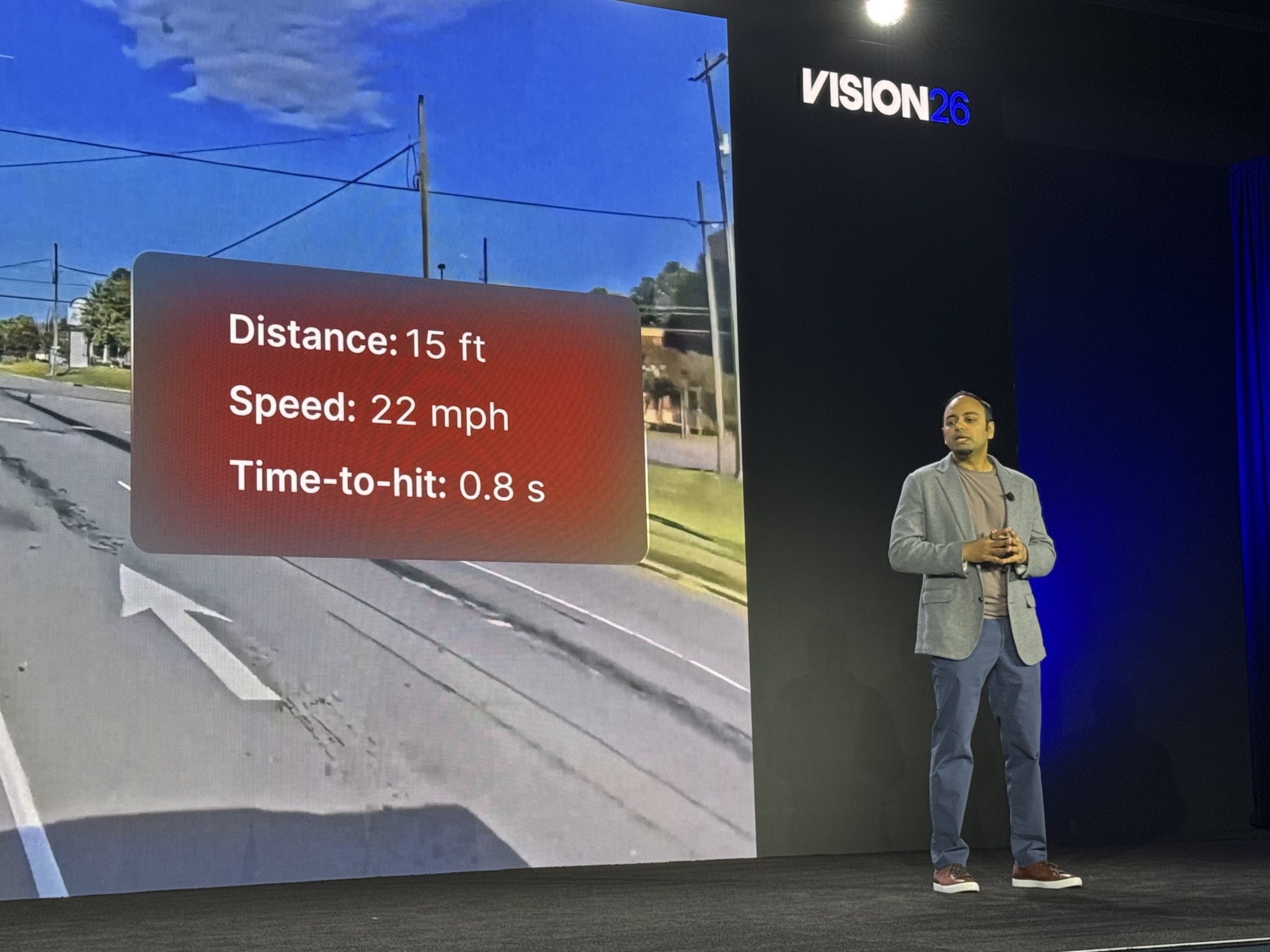
“They detect objects, but struggle to estimate distance, speed and motion,” Gupta said.
AI Dashcam Plus instead uses two road-facing cameras — a wide lens and a zoom lens — that work together using stereo vision to create depth perception similar to human eyesight. The wide lens captures the full scene and everything in the driver’s periphery and the zoom lens captures details further down the road. Side by side, they fuse together “one view of the world with depth the way your own eyes see,” Gupta said.
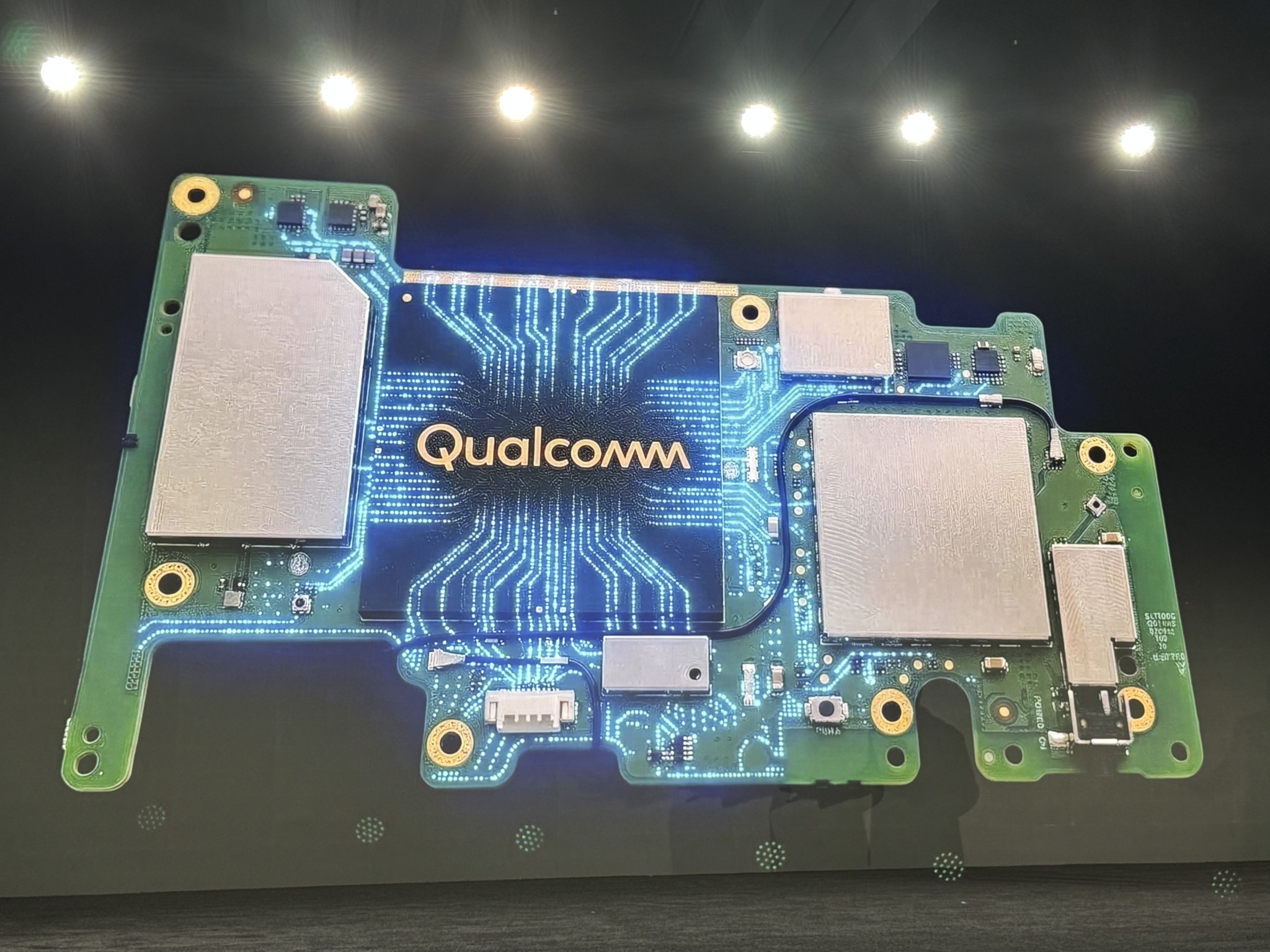
The system runs on a Qualcomm AI processor designed for edge computing, allowing the platform to process and interpret road scenarios directly on the device in real time.
Meanwhile, the collision avoidance system is designed to move beyond traditional rules-based alerts by predicting how objects are moving through space.
“Instead of measuring distance frame by frame, we model how every object is moving through space,” Gupta said. “The camera sees one vehicle, our AI sees multiple possible future trajectories in real time. We reason about which trajectory puts your driver at risk, and we alert seconds earlier, while there’s still time to act, not after.”
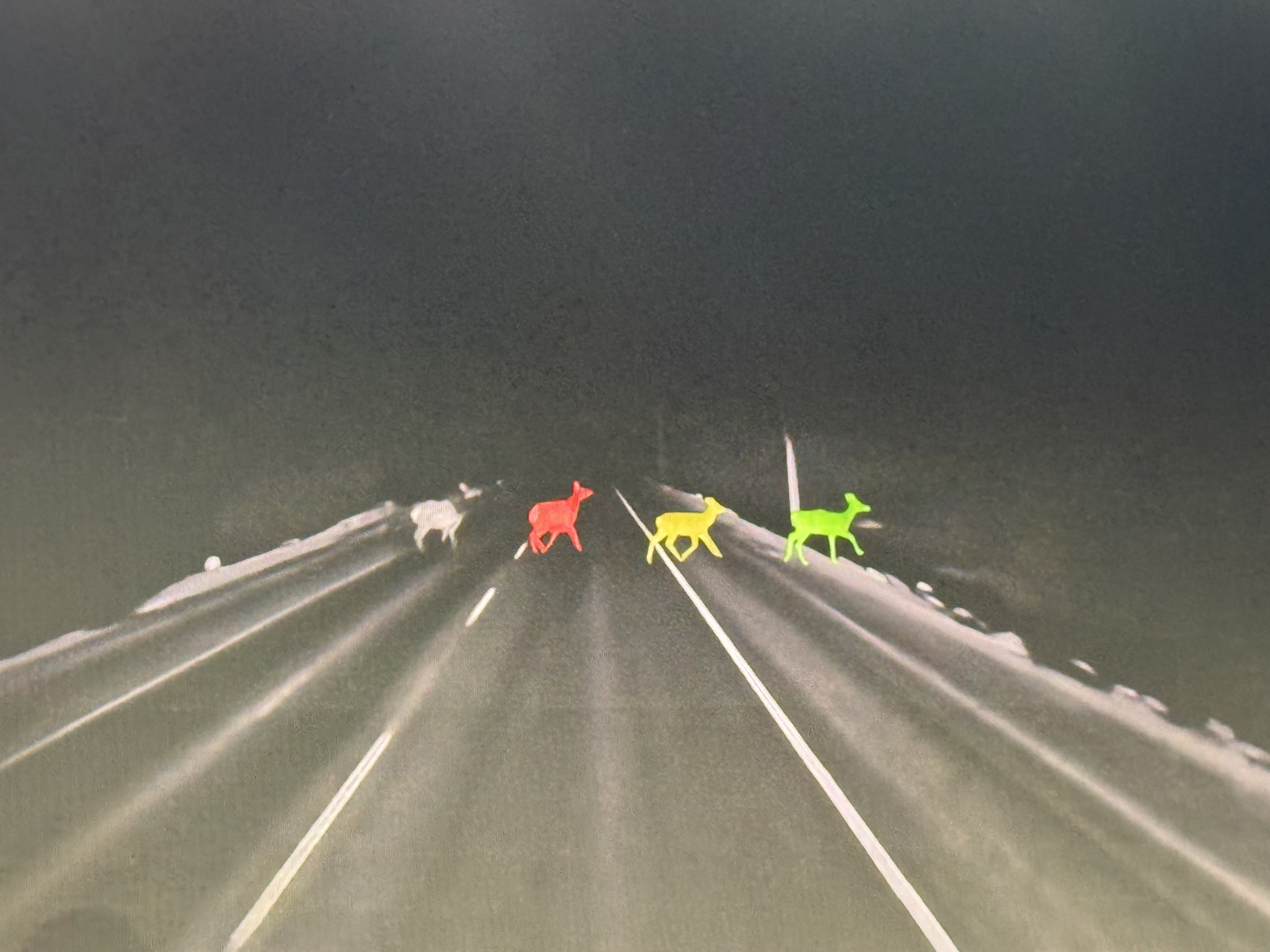
He explained the system can identify potential collision risks involving vehicles, pedestrians, cyclists, and animals.
Gupta presented demos involving nighttime deer crossings and near-miss situations, emphasizing the importance of gaining additional reaction time during “split-second moments where timing is everything.”
Reducing false alerts, recognizing license plates
Another theme during the keynote was driver trust and the role accurate alerts play in maintaining it.
“Every false alert chips away at driver trust, which brings me to one of the most common and at times frustrating events on the list: speeding,” Gupta said.
To address that, Motive introduced new Speed Sign Detection capabilities designed to read physical roadside signs rather than relying entirely on outdated map databases, which can generate inaccurate speeding alerts. The system drivers when they are actually exceeding the posted speed limit.
Gupta added that when it comes to recognizing driver behaviors, Motive’s systems can now detect up to 20 safety events with up to 99% accuracy, from distracted driving and fatigue, to close following, and unsafe lane changes.
Another feature of the new AI Dashcam Plus is automated license plate recognition. Because of its 1440p zoom lens, the system is capable of capturing clearer vehicle and license plate information.
While Motive says the feature comes at a time when nearly one out of seven collisions on U.S. roads is a hit-and-run and positioned it as a way to strengthen fleets’ ability to investigate incidents and defend against false or predatory claims.
Omnicam Plus targets blind spots and sideswipes
Motive also unveiled AI Omnicam Plus, a 360-degree visibility system designed to address collisions involving blind spots, side-swipes, and vulnerable road users. According to the company, 47% of collisions involving injuries are caused by side-swipes and rear-end crashes.
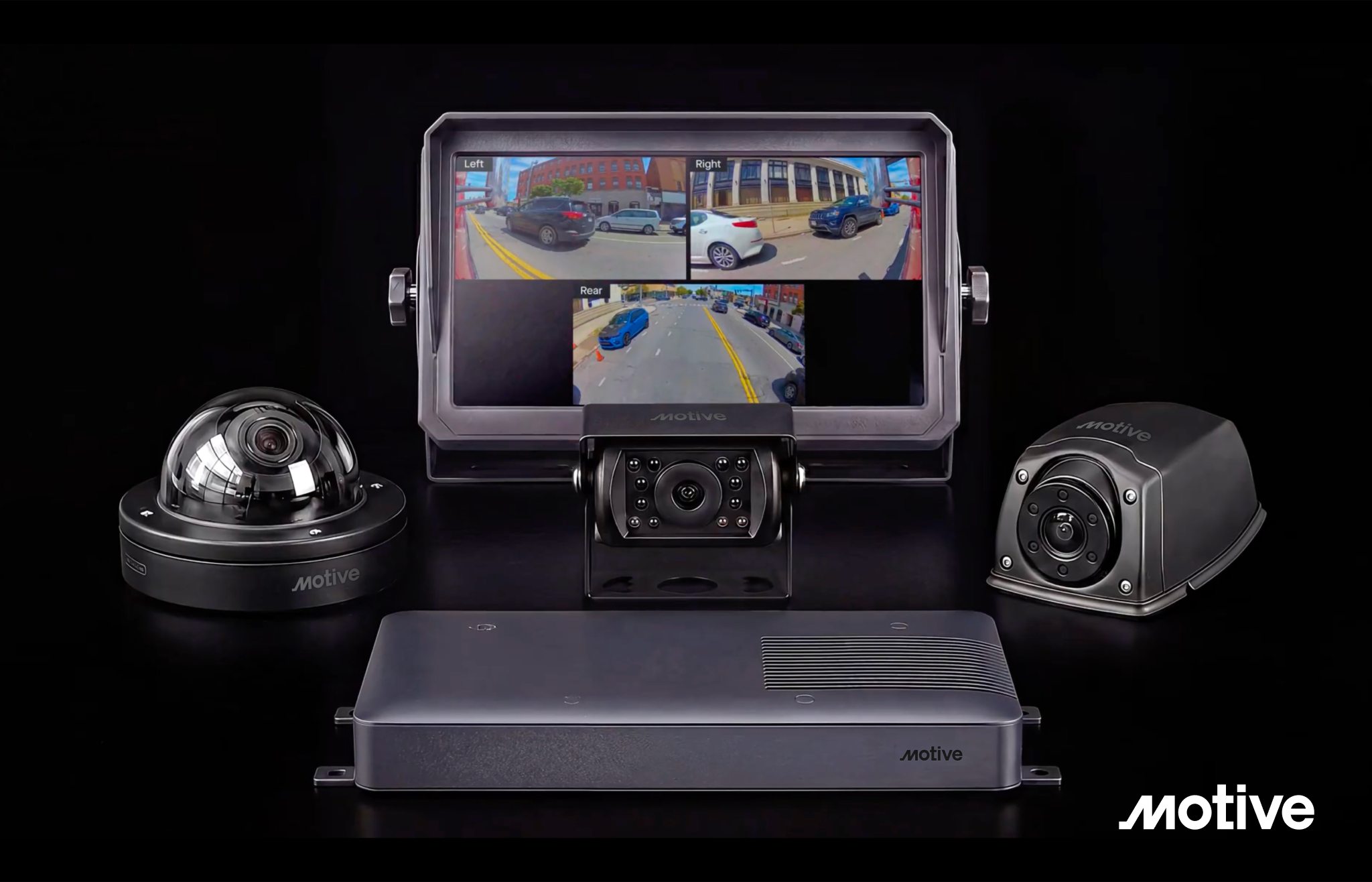
Built on the AI Dashcam Plus platform and powered by the Qualcomm Dragonwing QCS6490 processor, it can run more than 30 AI models simultaneously, which enables it to detect more road hazards in real time with high accuracy and low latency, the company claims.
Drivers also receive alerts when cyclists, pedestrians, or other vulnerable road users enter blind spots.
The system uses multiple camera views and an in-cab monitor that automatically switches perspectives during turns and reversing maneuvers.
Fleets can deploy the system using Motive’s own camera hardware or integrate existing cameras already installed across their operations.
“Seeing isn’t always enough, especially when it comes to vulnerable road users,” company CEO Makani said during the presentation, adding that the goal is to move beyond passive video recording and toward systems capable of actively assisting drivers in real time.
That broader push toward operational automation — including AI assistants, automated workflows, AI coaching, AI vision and real-time intervention tools — formed the second major theme of Motive’s Vision 26 keynote.
“The things that matter most — a fatigued driver, a critical fault code, a major service issue — get addressed only as fast as a manager can get to them. Your performance is capped by the limits of human attention. Automation breaks that ceiling,” Makani said.

Have your say
This is a moderated forum. Comments will no longer be published unless they are accompanied by a first and last name and a verifiable email address. (Today's Trucking will not publish or share the email address.) Profane language and content deemed to be libelous, racist, or threatening in nature will not be published under any circumstances.