Trump imposes 50% tariffs on Canadian goods
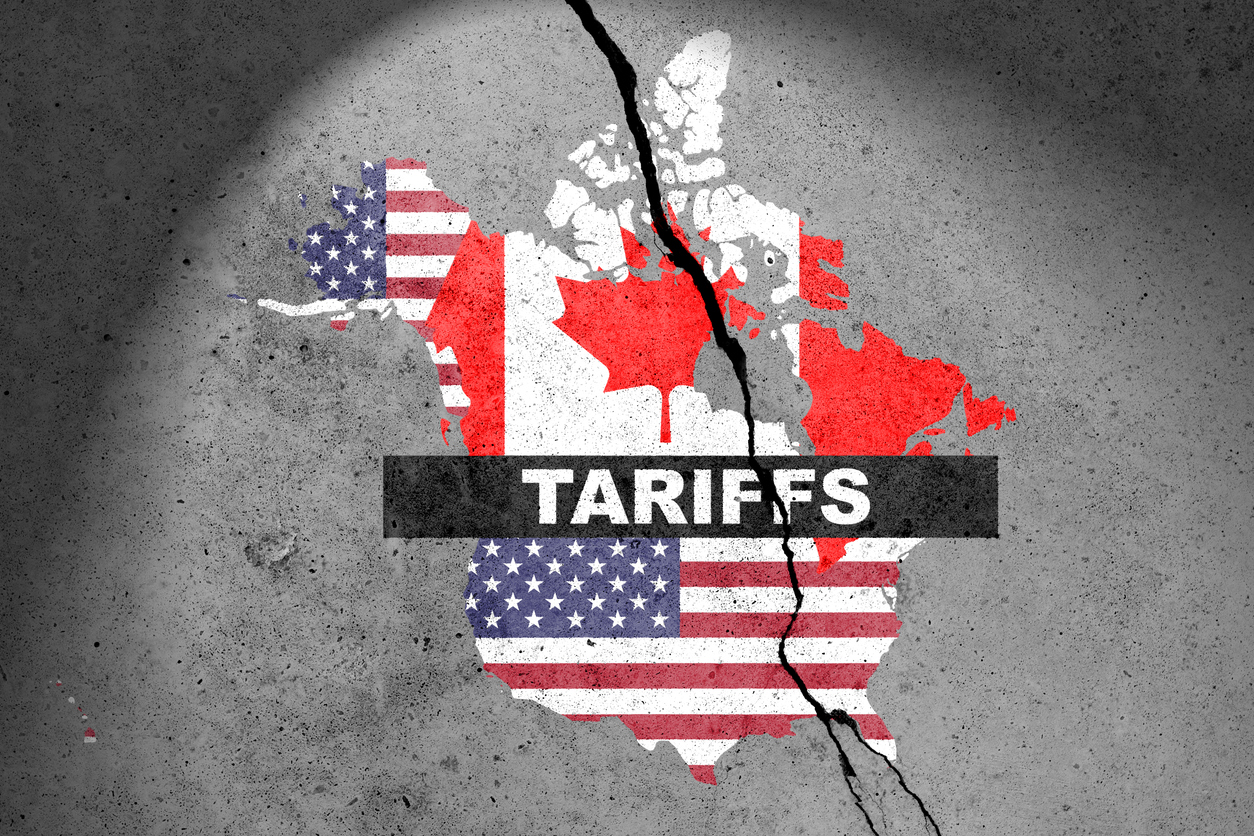
President Donald Trump on July 20 imposed 50% tariffs on most Canadian goods, declaring that Canada has unfairly discriminated against American autos, alcohol, and dairy products.
The move could unleash a new wave of economic chaos, with risks of higher inflation and further fraying of relations between two nations that had been closely woven together before Trump’s return to the White House. The administration official previewing the action said that Canada was one of the only nations other than China that retaliated against Trump’s previous tariffs and must be held accountable.
The official insisted on anonymity on a call with reporters to preview the president’s actions and said that Trump signed three proclamations to launch the tariffs under Section 338 of the 1930 Trade Act.
The new 50% tariffs would exclude energy products, potash, fish and critical minerals, but they would include goods that had previously been protected from import taxes by the United States-Mexico-Canada Agreement, or USMCA. That 2020 trade pact was not renewed by the U.S., triggering a new set of negotiations that could run until 2036.
The White House said in a fact sheet that the tariffs would go into effect in 30 days, meaning there is time for negotiations as Trump has not always followed through on his announced tax hikes on imports.
Canada faces the risk of a broader trade war
Still, the tariffs could escalate into a wider trade war as Canada seeks to defend its economy.
The Canadian federal government did not immediately comment on the tariff, but Ontario Premier Doug Ford saw a possible showdown ahead.
“If these tariffs proceed, Canada should respond tariff for tariff, dollar for dollar,” Ford posted on social media.
Tariffs are also a political challenge for Trump
The new tariffs carry serious political and economic risks for Trump ahead of the November midterm elections for control of Congress. His “Liberation Day” tariffs last year in April provoked a financial market meltdown over concerns about inflation and a recession, prompting him to walk back the rates for a period of negotiation.
The Supreme Court ruled this February that Trump had lacked the legal authority to impose the tariffs by declaring an economic emergency, causing the administration to find alternative ways to raise import taxes based on a series of legal authorities.
Trump has repeatedly targeted Canada on trade issues
The Trump administration official said the president had also requested that his aides look into additional tariffs on Canada because its wildfires hurt air quality in the U.S. He had publicly threatened to do so in social media posts.
Trump claims that Canada discriminates against American autos, alcohol and cheese relative to other nations, but his argument rests in large part on retaliatory actions taken by Canada after the U.S. president imposed tariffs on Canada under the pretext that it should do more to stop fentanyl smuggling.
Trump noted in his autos proclamation that Canada maintained, starting in April 2025, a 25% tariff on the imports of U.S. motor vehicles that did not qualify for preferential treatment under the USMCA.
The White House said that, regarding alcohol, all but two Canadian provinces and territories halted the purchase and retailing of American alcoholic beverages beginning last year, which was also a response to Trump’s tariffs and taunts of making Canada the 51st state.
But Trump has long objected to Canada’s treatment of U.S. cheese, saying in his proclamation that Canada discriminates against the U.S. compared to Europe on dairy products.

Have your say
This is a moderated forum. Comments will no longer be published unless they are accompanied by a first and last name and a verifiable email address. (Today's Trucking will not publish or share the email address.) Profane language and content deemed to be libelous, racist, or threatening in nature will not be published under any circumstances.