Repair shops busier, but margins under pressure as labor shortage persists

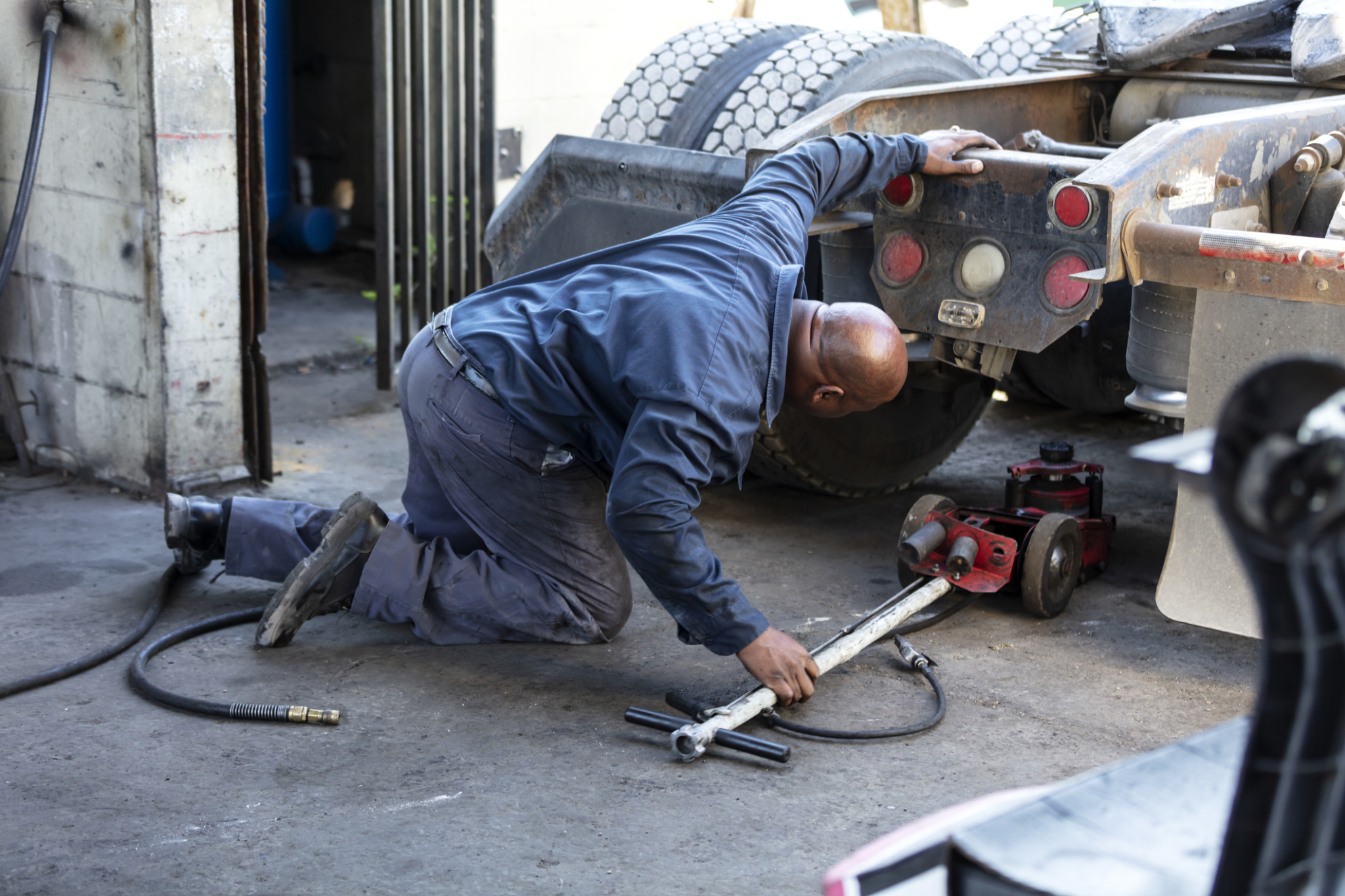
Heavy-duty repair shops are seeing stronger business conditions, but rising costs and an ongoing technician shortage are tightening margins and complicating operations, according to a new State of Heavy-Duty Repair report from Fullbay.
The report paints a picture of an industry benefiting from steady demand while struggling to keep up with the cost and complexity of maintaining aging equipment.
“We’re pleased to report that 61% of shops did either a little or a lot better in 2025 than in 2024,” the report notes, pointing to modest year-over-year improvement in shop performance.
But that improvement is being offset by structural challenges that show no sign of easing.
Shop owners identified hiring qualified technicians and rising operating expenses as their top concerns heading into 2026, each cited by 43% of respondents. Cash flow (39%) and rising parts and labor costs (36%) were close behind, underscoring the financial pressure many businesses are facing.
The labor crunch continues to drive wages higher. Technician pay rose 10% year over year in the U.S., while Canadian wages increased 5%, reflecting ongoing competition for skilled workers.
At the same time, shops are dealing with older equipment as fleets delay replacement purchases.
Fifty-seven per cent of respondents said the age of assets they service has remained about the same, but more shops reported seeing older equipment than newer units.
“This could indicate owners are keeping units in service instead of purchasing newer ones,” the report states.
That shift is adding complexity to repair work, increasing maintenance demands and putting additional strain on technicians.
Pricing strategies are also evolving as shops try to keep up with higher costs. The report found median labor rates have increased, and mobile repair services are commanding a premium due to added expenses such as travel time and fuel.
“The mobile repair provider generally charges more than a brick-and-mortar location because they’ve got more expenses,” the report notes.
Even so, not all shops are keeping pace with pricing adjustments. The report flagged that 12% of shops do not assess their labor rates at all, raising concerns about profitability.
“We admit we’re a little concerned about the 12% of shops who don’t look at their labor rate at all. You could be leaving money on the table!” the report states.
Operationally, the report suggests a mixed level of maturity across the sector. Just over half of shops (53%) said they create an annual budget or financial plan, leaving a significant portion operating without formal financial planning.
Meanwhile, the technician workforce itself remains relatively stable in size, with a median of five technicians per shop, highlighting the limited capacity for many operations to scale quickly.
The report emphasizes that while technology and innovation — including growing interest in AI — are beginning to shape shop operations, the industry’s biggest constraint remains people.
“The heavy-duty repair industry is the engine…that keeps our economy moving,” the report states, adding that “it’s the people who maintain it and keep it running day in and day out.”
With demand holding steady and fleets keeping equipment longer, repair shops are likely to remain busy. But without relief on labor availability and cost pressures, many operators will continue walking a tightrope between growth and profitability.

Have your say
This is a moderated forum. Comments will no longer be published unless they are accompanied by a first and last name and a verifiable email address. (Today's Trucking will not publish or share the email address.) Profane language and content deemed to be libelous, racist, or threatening in nature will not be published under any circumstances.