Technician shortage, rising labor rates dominate Fullbay repair industry report

A persistent technician shortage, rising labor rates and an aging workforce are continuing to reshape the heavy-duty repair sector, according to early findings from Fullbay’s sixth annual State of Heavy-Duty Repair report.
The report, based on nearly 900 respondents from independent and in-house repair shops, shows an industry experiencing steady revenue growth but facing mounting pressure to attract and retain skilled labor.
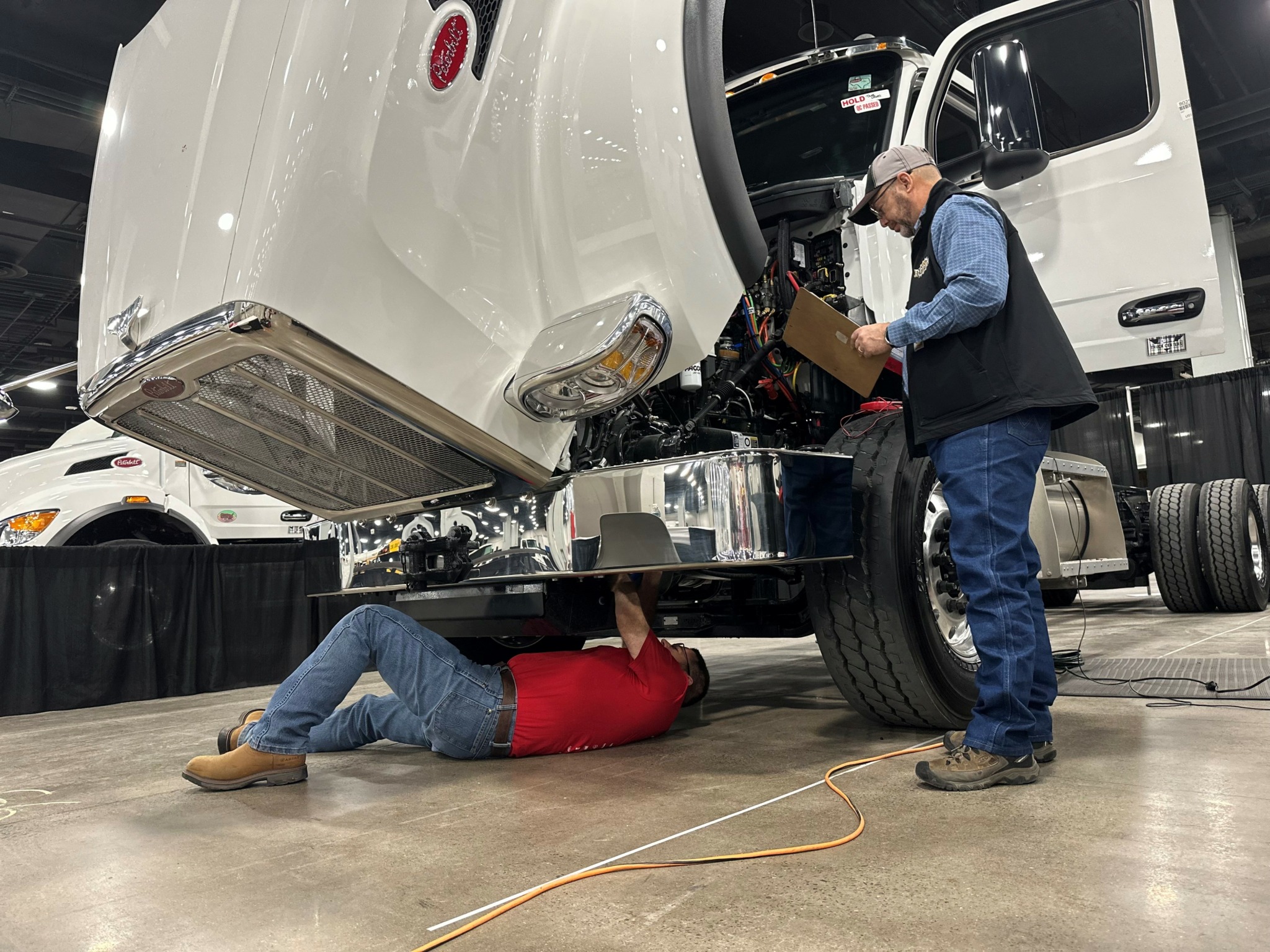
“Forty-two per cent of respondents identified the technician shortage as their top concern,” said Trent Broberg, CEO of Fullbay, during a discussion at the Technology & Maintenance Council annual meeting.
The data suggests the challenge is structural. The median technician has 17 years of experience, with 42% of respondents reporting more than 20 years in the industry. Just 17% of respondents were under the age of 30.
More than half of shops (54%) reported being understaffed in 2025.
At the same time, technician wages are climbing rapidly, rising more than 14% year-over-year to a median of $36.50 per hour. Labor rates are following suit, increasing about 10% from 2024 to 2025, with many shops now charging between $135 and $149 per hour.
“There’s a very small pool of qualified people, and they’re all competing for them,” said Jack Poster VMRS services manager for TMC, adding technicians are often moving between employers for small pay increases.
Panelists said higher labor rates are being driven not only by wage pressure but also by increasing complexity of modern trucks, which require significant investment in diagnostic tools, software subscriptions and training.
The report also points to strong business conditions for many repair shops. About 61% of respondents said business improved in 2025 compared to the previous year, with early indications suggesting that trend could continue into 2026.
Much of that growth is tied to fleets holding onto equipment longer, driven by high replacement costs and concerns over the complexity of newer trucks.
“The average age of trucks is definitely going up,” Poster said. “Older trucks are just easier to fix.”
Broberg added that fleets are also bringing parked equipment back into service as market conditions improve, creating additional repair demand.
“You’re seeing people pull those trucks off the fence and get them back into working order,” he said.
While tariffs have begun to push parts prices higher — with 46% of respondents reporting increases — most shops have been able to pass those costs along to customers.
Another notable trend is the widening gap between high-performing shops and those struggling to keep pace. Some underperforming businesses are considering selling, creating opportunities for stronger operators to expand.
Retention remains a key differentiator. Shops that offer competitive pay, benefits and a strong workplace culture are having greater success attracting technicians.
“Culture is actually the top factor for employee satisfaction, even ahead of pay,” Broberg said.
Panelists emphasized that culture, transparency around wages and offering bonuses or benefits packages can significantly improve hiring outcomes.
The report also found that technicians in the heavy-duty sector report higher job satisfaction than their automotive counterparts, suggesting an opportunity to recruit from other segments of the repair industry.
Looking ahead, panelists said the technician shortage is unlikely to ease, particularly as experienced workers retire and fewer young people enter the trade.
“The problem is never really solved,” Broberg said. “You’re always one hire away from success — or one departure away from a problem.”
The full report is scheduled for release March 23.
Have your say
This is a moderated forum. Comments will no longer be published unless they are accompanied by a first and last name and a verifiable email address. (Today's Trucking will not publish or share the email address.) Profane language and content deemed to be libelous, racist, or threatening in nature will not be published under any circumstances.

I have been saying for over 5 years we need a program to train people and import good tecks and pay a fair wage with overtime instead of lower wage other foreign students ( workers)