Business Tips

Border, marijuana, employment law among 2018 challenges: Devine
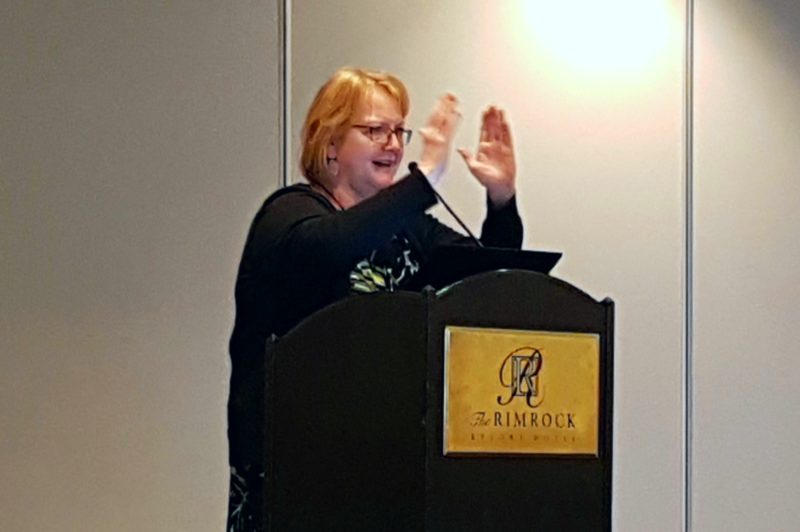
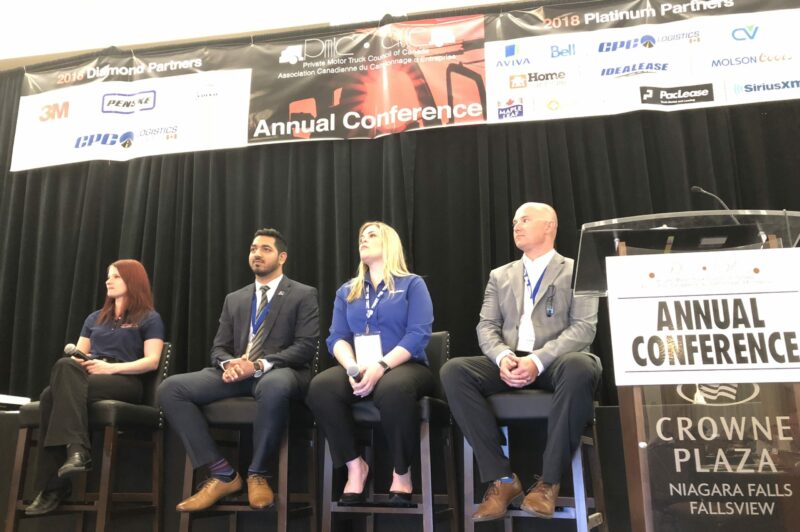
NIAGARA FALLS, Ont. -- You know the trucking industry faces a challenging landscape when a lawyer presents a business update against a framework of lessons learned through Sun Tzu’s Art of War. “It’s not really a friendly environment for us this year,” said Heather Devine of Isaacs and Co., as she stood at the podium to open the Private Motor Truck Council of Canada’s annual meeting. She offered the potential demise of NAFTA and the thickening of the border as proof of the challenges to come.
How safe is your ELD?
TORONTO, Ont. -- Electronic logging devices (ELDs) present a real threat to security for the trucking industry says Geotab vice president, product safety Glenn Atkinson. “It’s surprising the number of small to medium-sized companies that aren’t aware of what they’re putting in their truck,” he said at a morning session at the 2018 Geotab Connect conference.

Smoke Screen: Testing remains in a legal vacuum
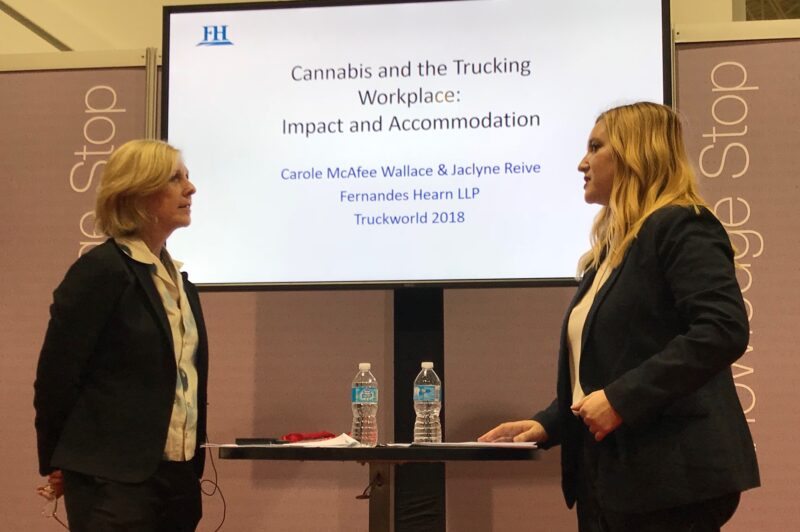
July 1 has secured an unusual place in the story of marijuana. The national holiday was once reported as the deadline to legalize recreational weed. That didn’t happen, of course, but Canada Day is still left as the deadline for Ontario’s Cannabis Act, which established related rules for drivers and sellers alike. Canada’s cross-border drivers even began facing their mandated drug tests on July 1, 1996.
Test and Measure: Not all testing methods equal
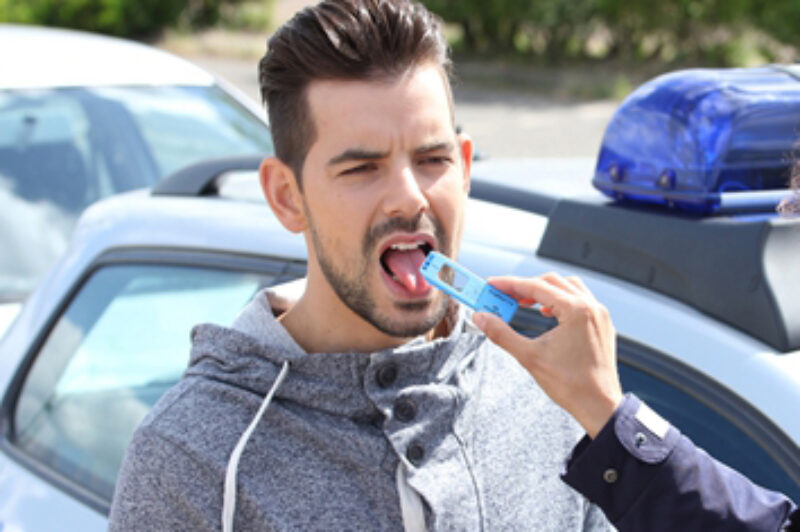
TORONTO, Ont. -- Whether testing for the presence of alcohol or drugs in a workplace, or at the side of a road, each tool comes with its own pros and cons. Now that Canada is preparing to legalize recreational marijuana, police forces across the country are being trained in oral fluids testing, also known as saliva testing, and the Standardized Field Sobriety Test (SFST). And these are both options for a fleet looking to determine a driver’s fitness for duty. Both methods offer immediate results – unlike tests involving hair, urine, or blood. That’s good enough to determine fitness for duty and keep a potentially impaired driver off the highway. But courts typically rely on another layer of tests, which means the initial positive results might not be enough to terminate someone.

Kindersley lauded for commitment to diversity
SASKATOON, Sask. – Kindersley Transport says recognition for its employment equity and diversity program is a humbling experience. The group was one of 18 recognized last Fall with an inaugural Employment Equity Achievement Award (EEAA) from the Government of Canada. The EEAA is awarded to companies that are subject to the federal Employment Equity Act, who have implemented programs to help create more diverse workplaces.
Video: Find the right spec’ing balance
MISSISSAUGA, Ont. -- One of the biggest challenges for any fleet manager is a spec'ing decision, looking to strike the balance between initial purchase prices and performance. Maintenance leaders from Challenger Motor Freight, Bison Transport, and Titanium Transport shared their approaches with peers at the Canadian Fleet Maintenance Summit.