News

Driver shortage and the demographic cliff
Discussions about a driver shortage tend to fade away when the economy struggles, but there is no escaping the fact that Canada needs to attract a new generation of drivers. A 2016 study - Understanding the Truck Driver Demand and Supply Gap - determined that for-hire fleets will need 34,000 more drivers by 2024, many of whom will be needed to fill seats once held by drivers who retire or quit. Solutions will involve reaching out to underrepresented groups like millennials and women. In the meantime, limits on Temporary Foreign Workers have effectively eliminated another option.
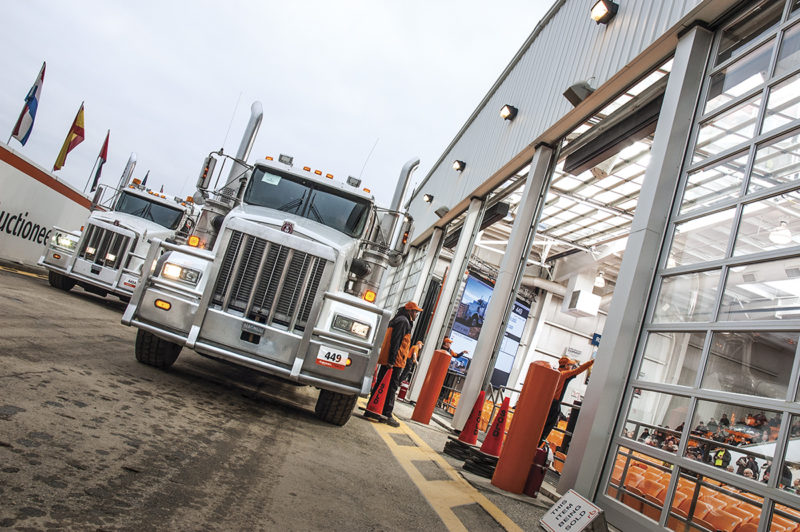
Struggles in oil country
Low oil values have calmed prices at the pump, but they have also hit fleets and owner-operators who serve Canada's famed oil patch. Ritchie Bros. Auctioneers hosted a record-breaking sale in Edmonton this April, reselling about 10,600 pieces of equipment. That is clearly the sign of a struggling industry, especially when you consider that just 46% of the purchased equipment stayed in the province.

A price on carbon, but support for natural gas?
TORONTO, ON - The Ontario Trucking Association wants the provincial government to offer up to $60,000 per natural gas vehicle in a bid to offset purchase prices that are higher than diesel equipment -- but it's also asking funders to consider more than vehicle and fuel station costs alone.
Transport Canada prepares to mandate stability controls
As of August 2017, Transport Canada mandates Electronic Stability Controls on three-axle tractors with Gross Vehicle Weight Ratings above 26,000 pounds, harmonizing with a U.S. rule that was introduced in 2015. There are an estimated 660 truck rollovers in Canada every year, and while that's just 5% of all truck collisions, they are a particular threat to drivers.
Eastern provinces harmonize LCV programs
Federal updates to weights and dimensions continue to roll out in provinces, with allowances for boat tails and longer tractor wheelbases. It isn't the only change in the name of harmony. Ontario, Quebec, New Brunswick and Nova Scotia have found common ground on their Long Combination Vehicle programs, making it easier to run from one jurisdiction to the next. But the approach still differs from the rules embraced in Western Canada.
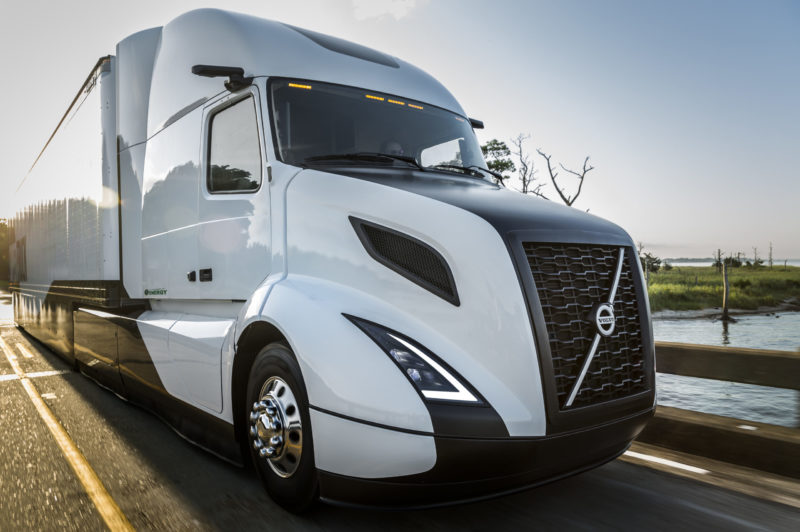
Introducing the SuperTruck
We have seen the future, and it is reflected in SuperTrucks that manufacturers have developed with funding support through the U.S. Department of Energy. Volvo, for example, managed to reach 12 miles per gallon. Many related features have already become a reality. And another US $137 million has been set aside to develop new technologies through SuperTruck II.
Tow operators pulled into CVOR
Ontario expands its Commercial Vehicle Operator's Registration system to include tow trucks in 2017, although an "education" period will help to ease the rules into place. In the meantime, tow operators are still exempted from Hours of Service regulations and the need to pull into roadside scales.
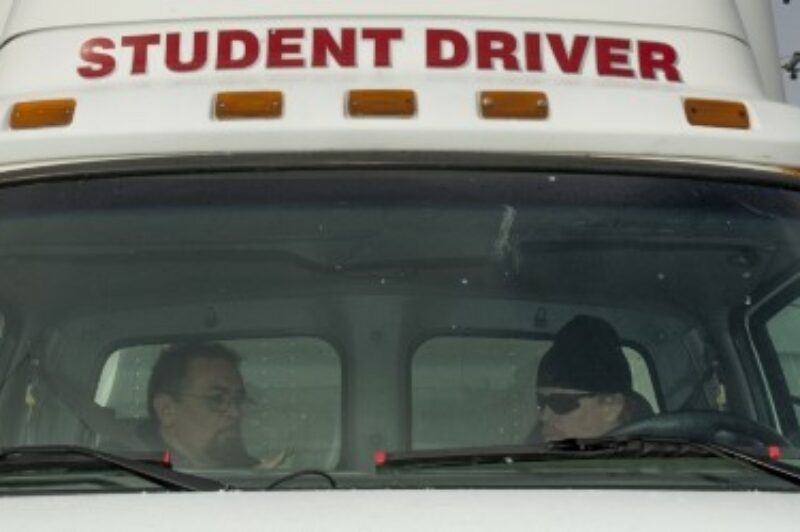
Ontario’s plan to MELT
Ontario will become the first jurisdiction in North America to introduce Mandatory Entry Level Training (MELT) for truck drivers, making it tougher than ever to earn a Class A licence. As of July, wannabe truckers face a minimum of 135 hours of mandatory training, including 36.5 hours in the classroom, 17 hours in yard, 18 hours behind the wheel and off the road, and 32 hours on the road. But will this bring an end to licensing mills that do little more than take tuition and create poorly trained licence holders?

David Bradley’s exit plan
David Bradley, arguably the most recognized industry lobbyist in trucking, retires this year from the role he defined as the long-time Chief Executive Officer of the Canadian Trucking Alliance. Stephen Laskowski has been named as his successor, and has already begun to assume many of the related duties.
The rise of autonomous vehicles
This year marked major milestones in the push toward autonomous vehicles. Freightliner unveiled a truck that could drive itself in Nevada. Platoons of trucks from DAF, Iveco, MAN, Scania, Volvo and Daimler made their tightly packed trips to Rotterdam in the Netherlands. A self-driving truck made possible by Otto delivered a load of beer to Colorado Springs. And Canada's first autonomous truck is part of a Suncor trial in Alberta's oil patch. Stay tuned for more. The march of technology continues.
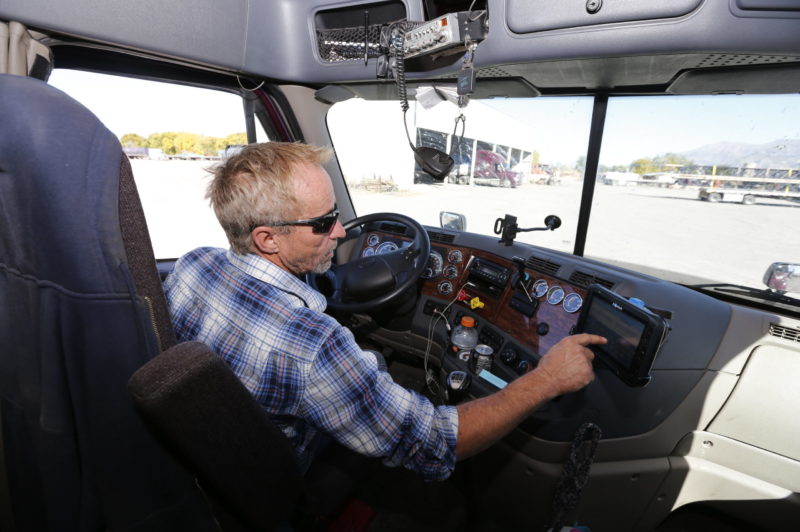
Canada’s approach to Electronic Logging Devices (ELDs)
The days of paper logbooks are numbered for southbound fleets, with the U.S. preparing to mandate Electronic Logging Devices (ELDs) by the end of 2017. Canada originally led the way in discussions to set standards for the devices. Now we're playing catch-up. With trucking associations backing their use, it may only be a matter of time before ELDs are mandated for domestic fleets as well.
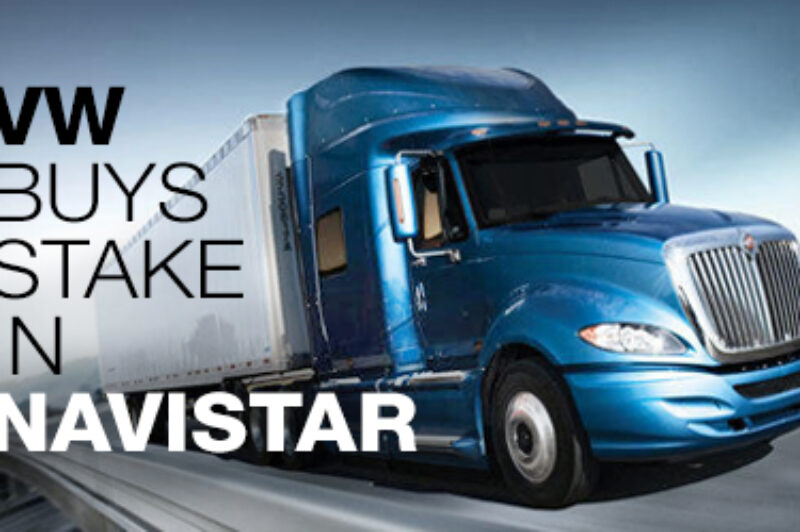
A marriage made in Europe — VW and Navistar
Volkswagen Truck and Bus stunned North America's trucking industry when it purchased a 16.6% stake in Navistar. The companies are now investigating synergies that could create an estimated $500 million in savings - and bring a Volkswagen-engineered powertrain to our market by 2019.

A new oil category — with two oils
It's a long journey to the top of the CN Tower. There are 1,776 steps for those who want to climb it; the glass-floored elevators are the world's highest. The Toronto landmark even represented the final stop in a long journey toward a new engine oil category that officially took hold on December 1 - and introduces a significant choice for buyers.
