Motive bets on AI to solve fleets’ data-rich, time-poor challenge

As fleets generate growing volumes of data from telematics systems, cameras, sensors, and other connected fleet management technologies, Motive Technologies believes the industry’s next challenge is no longer collecting information but acting on it.
That is guiding how the company develops new products, with more than 90% of Motive’s engineering efforts involving artificial intelligence (AI), estimates chief technology officer Amish Babu, who argues fleets are becoming increasingly “data-rich but time-poor” as information grows faster than managers can realistically process it.
This is why rather than treating AI as a standalone product category, Babu said the technology is now embedded across virtually every area of the company’s platform.
“Our fleets are data rich, but time poor right now, and so we’re focused on giving them a lot of utility for the time they have,” he told trucknews.com during an interview at the Motive Vision conference in Nashville, of the company’s approach, which centers on the two themes it believes can solve the challenge: integration and automation.
Two north stars
During the keynote address at the conference, co-founder and CEO Shoaib Makani addressed the two ‘north stars’ for the company. Integration, he explained, is about breaking down data silos and creating a single view of operations across vehicles, drivers, equipment, and spending. This year, the company expanded that strategy beyond software and into hardware with AI Dashcam Plus and AI Omnicam Plus platforms.
Automation, meanwhile, is intended to cut down on the manual work and time needed to respond to issues once they are identified. Makani said many important decisions in the workflow are still dependent on a manager first noticing an issue, interpreting it, and then deciding what action to take. Whether the problem involves a fatigued driver, a fault code, or a maintenance issue, the response is often dependant by what he called “the limits of human attention.”

Robert Higdon, Motive’s director of product, added that rather than adding more dashboards or standalone products, customers are increasingly looking for ways to simplify existing workflows.
“The pressure that our customers are under has never been higher,” Higdon said in a separate interview with trucknews.com. “They’re looking for technologies that help them operate more efficiently, help them operate more safely, and help them remain competitive.”
That thinking influenced many of the products unveiled at Vision — from combining telematics and cameras into a single device, bringing cargo monitoring and security into one sensor, or connecting safety, maintenance, compliance, and driver-management data through AI-powered tools. The goal was to reduce the number of disconnected systems that managers have to navigate.
“When [customers] come to Motive, what they’re looking for is essentially not just a bunch of different solutions under one roof,” Higdon said, adding that Motive is focused on creating workflows that are possible when integrated systems share data and context.
That need for context is yet another reason Motive is investing heavily in AI.
Building trustworhty AI
While AI has become a major focus across the technology sector, Babu argued that fleet operations present a unique challenge because many decisions need to happen in real time.
“If you imagine someone driving down the road, their eyes closed for 10 seconds — you don’t have 10 seconds to go up to the cloud and then come back and — you know, the driver could be swerved off the road and in a ditch,” he said, explaining what has driven Motive’s investment in edge computing, allowing AI models to run directly on devices installed inside vehicles rather than relying entirely on cloud processing. This helps reduce latency and increase accuracy.
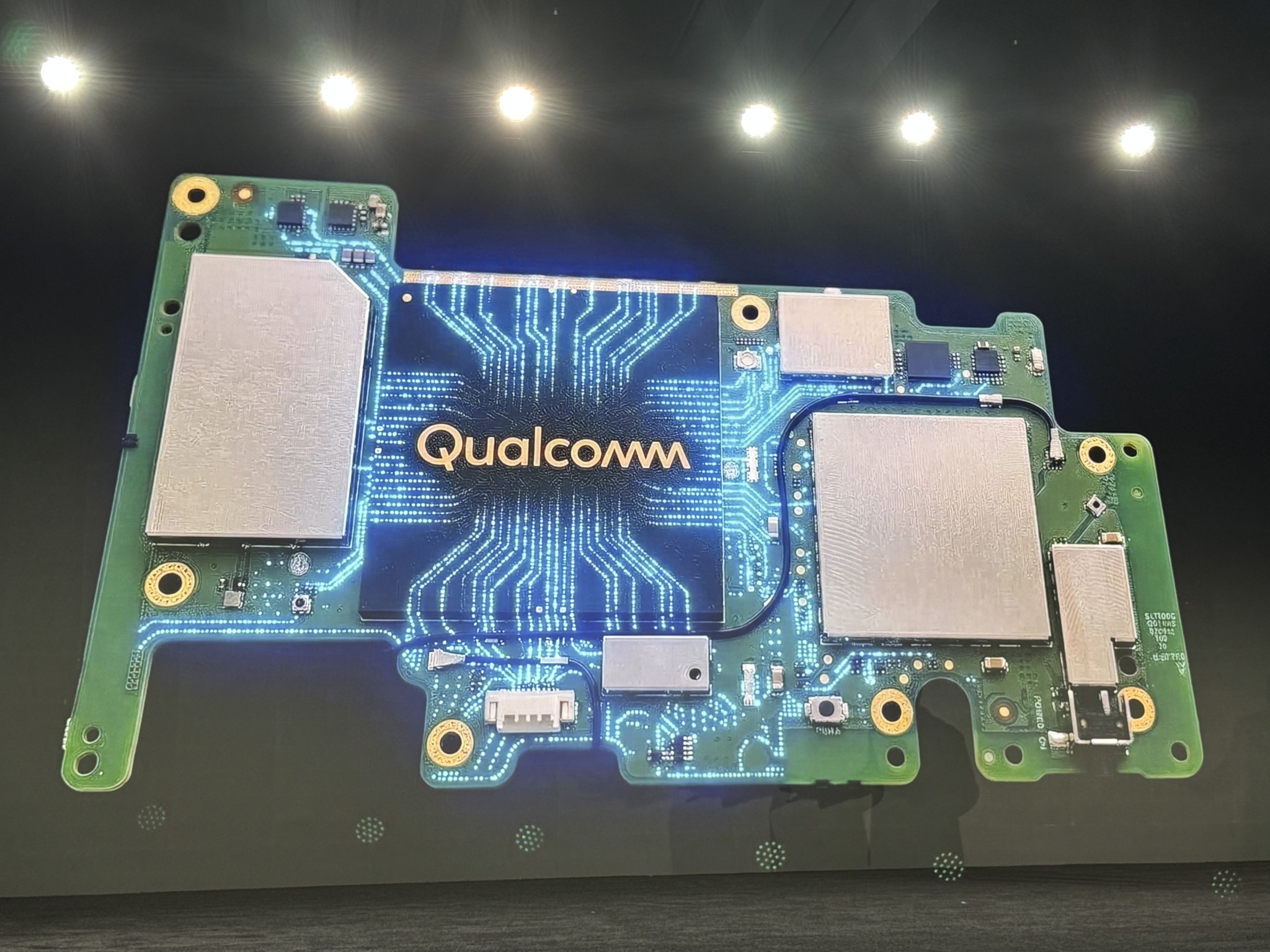
The company’s latest hardware platform — Qualcomm DragonWing processor — can run between 20 and 30 AI models simultaneously, monitoring behaviors such as cellphone use, fatigue, seatbelt compliance, lane departures, following distance, and forward collision risks in real time. Running multiple models at once allows the system to identify several risks simultaneously while providing immediate feedback to drivers, Babu said.
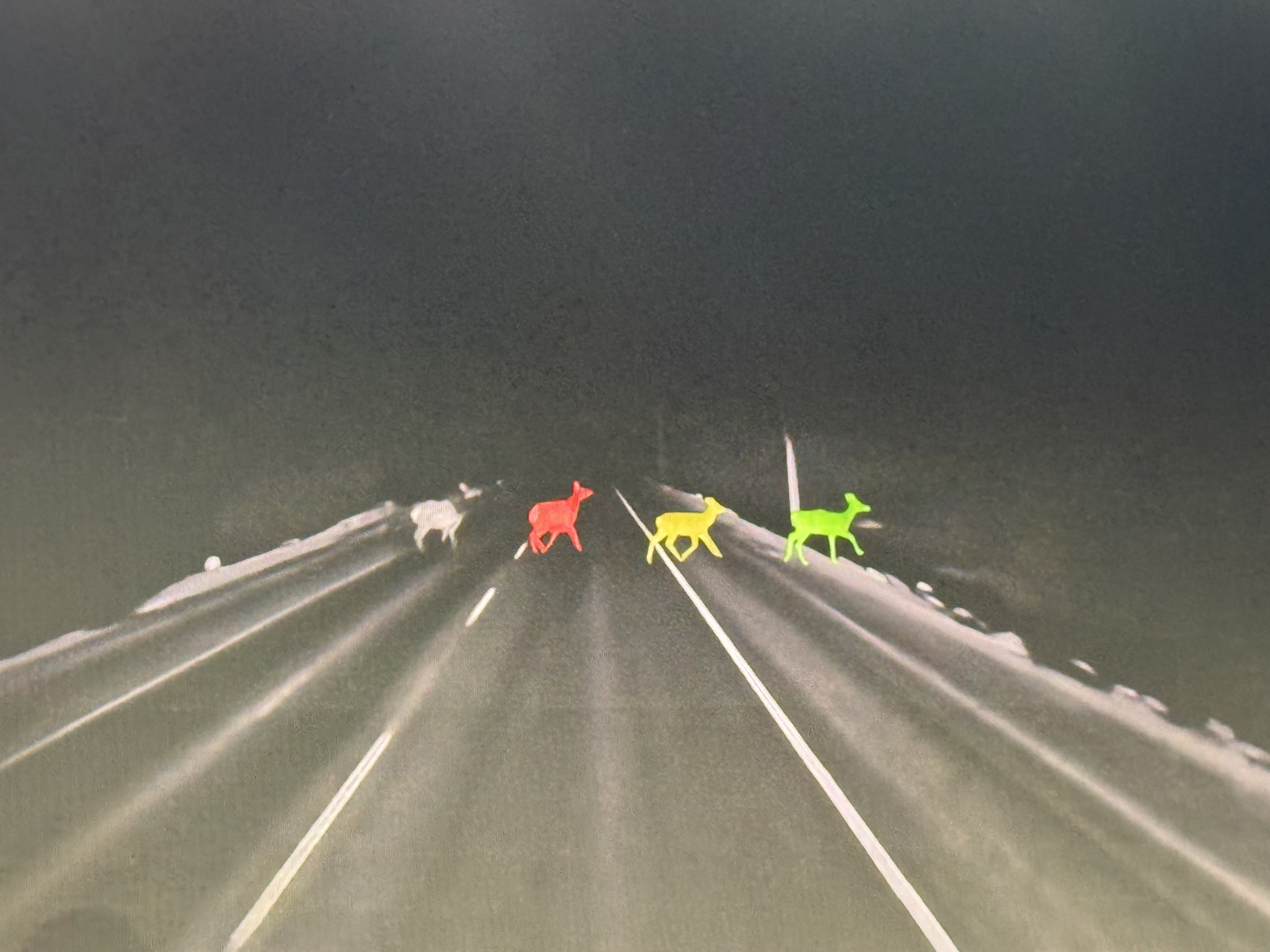
The same approach also supports predictive safety technologies such as the collision avoidance system announced for AI Dashcam Plus. Using stereo vision from two forward-facing cameras, the platform estimates depth similarly to human eyesight.
“From a depth perspective, if you close one eye, your sense of depth gets affected, right? So, having two eyes basically allows us to, from a geometric perspective, look at an object and calculate the distance from each eye, and that’s the way that your eyes operate, it’s the same way on the device,” Babu explained, adding that rather than simply detecting where an object is, the system also attempts to predict where it is likely to go next.
“We’re in an interesting point in time where these very foundational models that are getting released are actually able to anticipate movement, and we’re also using that type of technology to predict where objects are, so they are actually able to understand context, right? Like [if] you’re walking down the room, it can predict, ‘hey, she might be turning left, she might be turning right’, and it’ll give those options, and maybe a probability of those.”
Data accuracy is key
During the conference, Motive unveiled its AI assistant Atlas, capable of analyzing safety, fuel, compliance, and maintenance data to generate recommendations, automate administrative workflows, coordinate operational tasks and assist drivers in the cab through voice commands. And Atlas will soon integrate external generative AI systems such as ChatGPT, Claude, Gemini, and Microsoft Copilot through Model Context Protocol (MCP) connections. This is why I asked Babu if Motive had any concerns around hallucinations, permissions, and data boundaries.
While he acknowledged the concern — particularly as generative AI systems begin interacting with operational fleet data that carriers rely on for safety – he said the company approaches data security and accuracy as foundational requirements.
“We treat security as one of our foremost principles overall,” he said, explaining that customer data and personally identifiable information are used only with customer permission, and managed through dedicated security infrastructure. He added the company has internal teams focused specifically on customer data protection.

When it comes to safety-related AI systems operating inside vehicles, Babu said the company does not tolerate hallucinations and inaccuracies.
“On edge, in cab, we basically don’t allow hallucinations. While we have technology that’s identified at 95-99% precision, we, actually, offer, as a service, human annotation as well, so when it actually gets presented to the fleet, it’s almost at 100% as well,” Babu explained. “If the AI itself can’t determine if it’s accurate or not, we actually do go through human review as an added service, which basically gives 100% precision to the fleets.”
But the challenge is slightly different when AI shifts from detecting operational events to generating reports, summaries, or recommendations through conversational interfaces such as Atlas, Babu acknowledged, saying that generative AI systems inherently introduce different risks than traditional computer vision safety models. Yet, he insisted that Motive’s underlying operational data remains highly accurate, and said human judgment still plays an important role when reviewing AI-generated outputs.
“We do need human judgment to make sure that the output is what you expect, but I think anyone that’s used these latest models and whatnot, knows that they are getting better and better, and the utility far outweighs the downside effect of them,” he said. “Hallucinations are a thing, but also the reality is these models are getting so good over time.”
Even then, he argued that many traditional manual processes are already prone to human error and inconsistencies, especially when employees are forced to process large volumes of repetitive information.
“Imagine someone having to go through 100 documents in a day,” he said. “Their inaccuracy of having to do that manually, type it in, is probably actually much higher than them taking a bunch of pictures and us intaking that data automatically.”
“We don’t ever release something that’s at 60% or 70% accuracy,” he added. “Our bar for these particular use cases is pretty high… It’s one of our key differentiators — AI accuracy overall.”

Have your say
This is a moderated forum. Comments will no longer be published unless they are accompanied by a first and last name and a verifiable email address. (Today's Trucking will not publish or share the email address.) Profane language and content deemed to be libelous, racist, or threatening in nature will not be published under any circumstances.