Samsara tackles shipment visibility gap with disposable tracking label

Fleet operators can track tractors, trailers and equipment with increasing precision, but shipments themselves often remain largely invisible once they leave the dock, as visibility often drops to a few simple barcode scans and estimated arrival time notifications and updates.
At its Beyond conference in Las Vegas, Samsara unveiled a paper-thin tracking label designed to provide real-time visibility into freight moving through supply chains. The company says the disposable Bluetooth label fills a gap between long-life asset trackers and traditional shipment-tracking methods that rely on barcode scanning.
David Gal, vice president of connected equipment at Samsara, said during the keynote that many customers had already been using asset-tracking devices to monitor freight, but those products were not designed for one-time shipments. They are bulkier, more expensive and create a reverse-logistics challenge because they must be recovered after delivery.
To address that, Samsara developed what it calls a Tracking Label. “This looks like a sticker because it is,” Gal said during the demo. “But this is no ordinary sticker.”

The flexible, printable Bluetooth device resembles a sticker but contains a battery, radio, antenna and software that communicates with the company’s network. The label battery lasts up to 45 days, contains no lithium — using zinc instead — and is designed to be disposed of at the destination.
Gal illustrated the visibility problem with examples ranging from copper wire headed to construction sites and pharmaceuticals bound for hospitals to server racks destined for data centers.
“No matter what it is, we’ve all been there,” Gal said. “You have a critical shipment, you go track it, and you see a barcode scan: ‘Left facility 12 hours ago.’ Twelve hours ago? It’s 2026. Where is this thing?”
Another example was the infamous 12 tons of KitKat bars that never reached their final destination, which proves that the visibility issues extend beyond delayed shipments alone. Gal said the product release is particularly timely as cargo theft now costs the U.S. economy more than $35 billion annually.
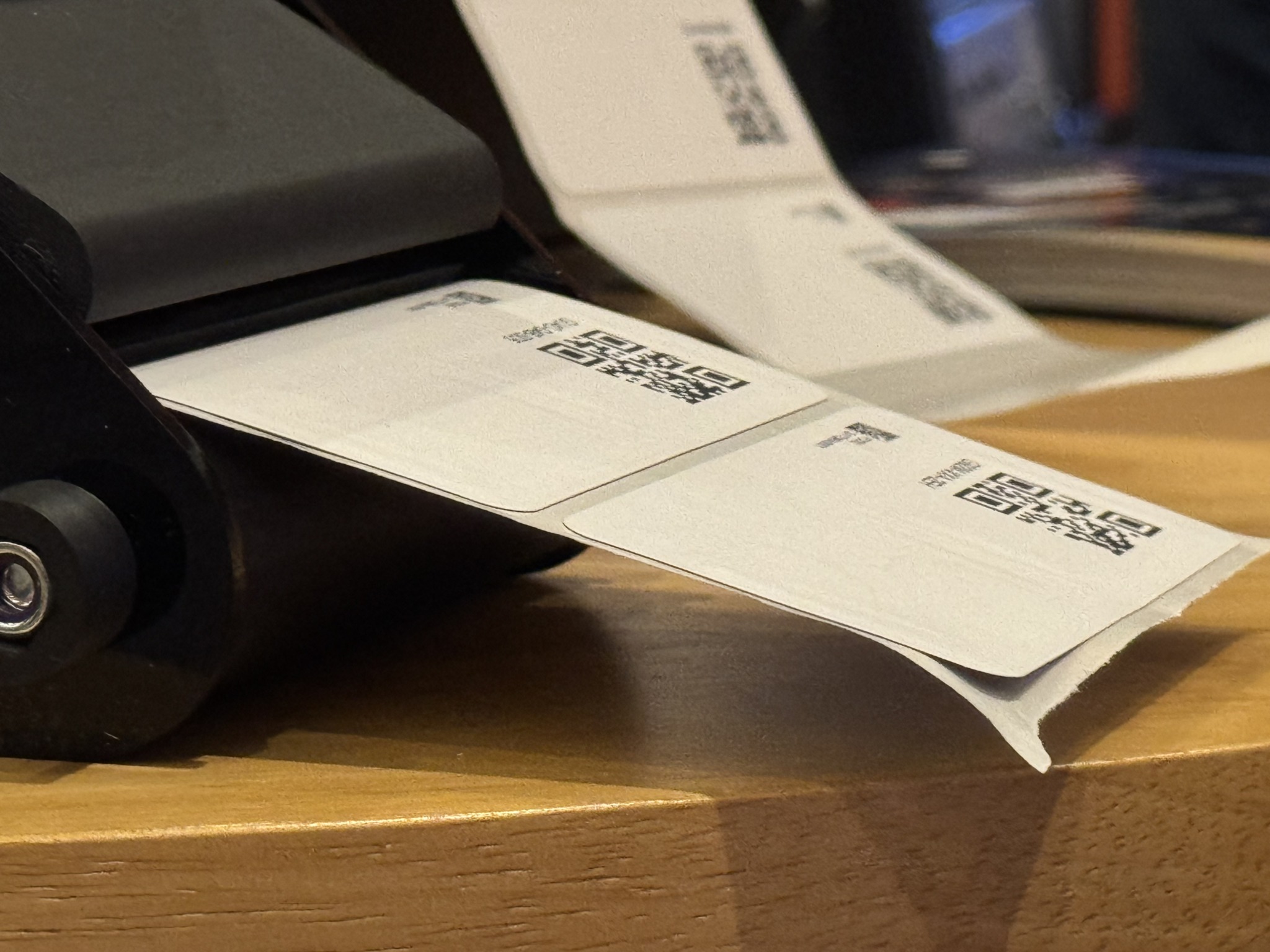
The product builds on Samsara’s broader asset-tracking network, which includes gateways installed in vehicles and equipment as well as millions of Bluetooth listening points.
During a press conference following the keynote, company co-founder and CEO Sanjit Biswas said the active battery design was chosen because passive tracking technologies often require specialized infrastructure that is not always available when shipments change hands multiple times during transit.
“Because we have this Bluetooth network, we have basically all these access points,” Biswas said. “Just a small amount of energy is enough to get to the Bluetooth network.”
The network also includes approximately 90 million smartphones, allowing shipments to be detected even when they are moving with carriers that are not Samsara customers.
The company also introduced a shipment app that allows warehouse workers to activate a label, link it to an existing shipment identifier — such as a bill of lading or barcode — and attach it to a pallet or package in a matter of seconds. The app itself runs on iOS, Android, and warehouse scanners.
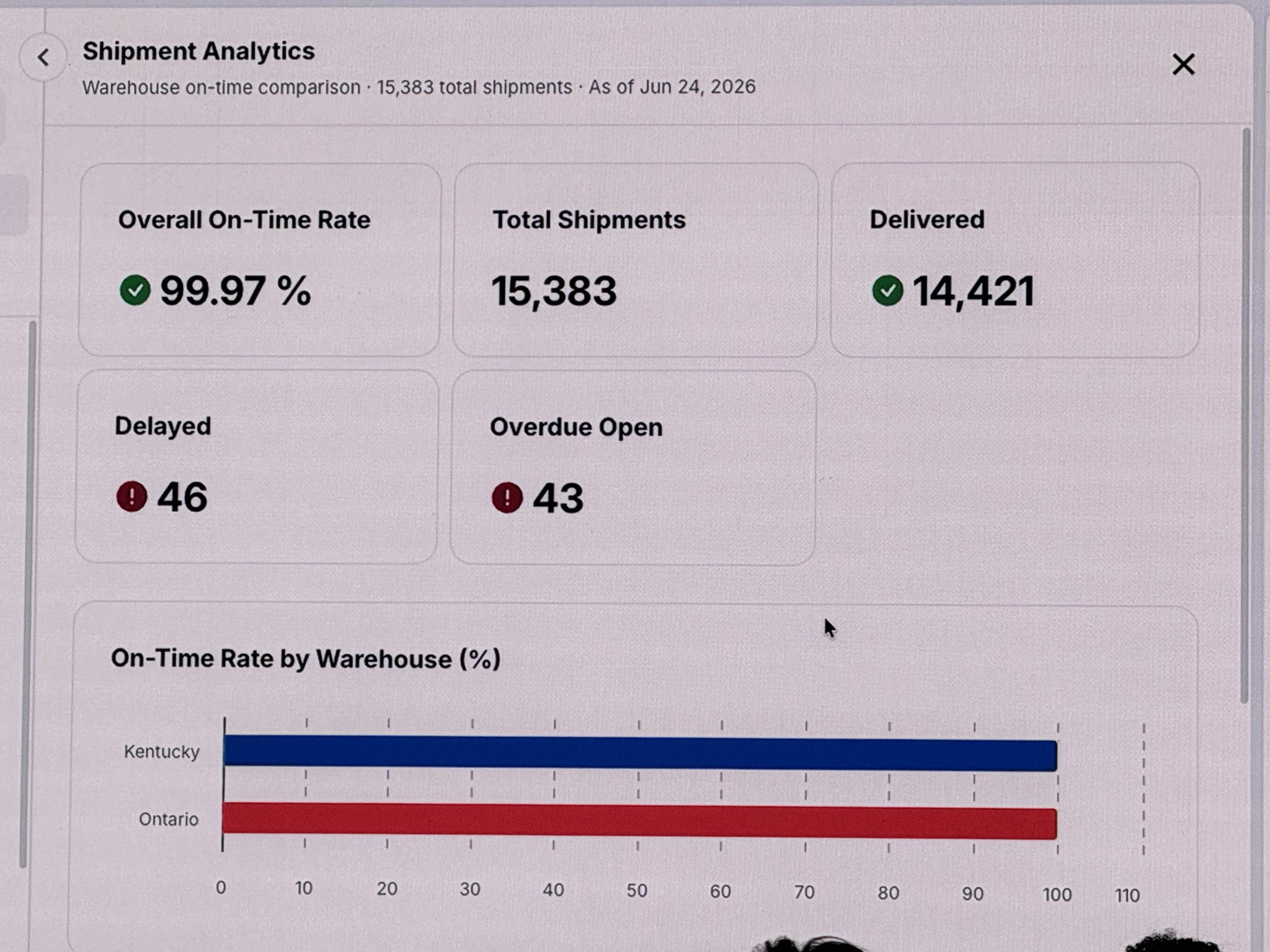
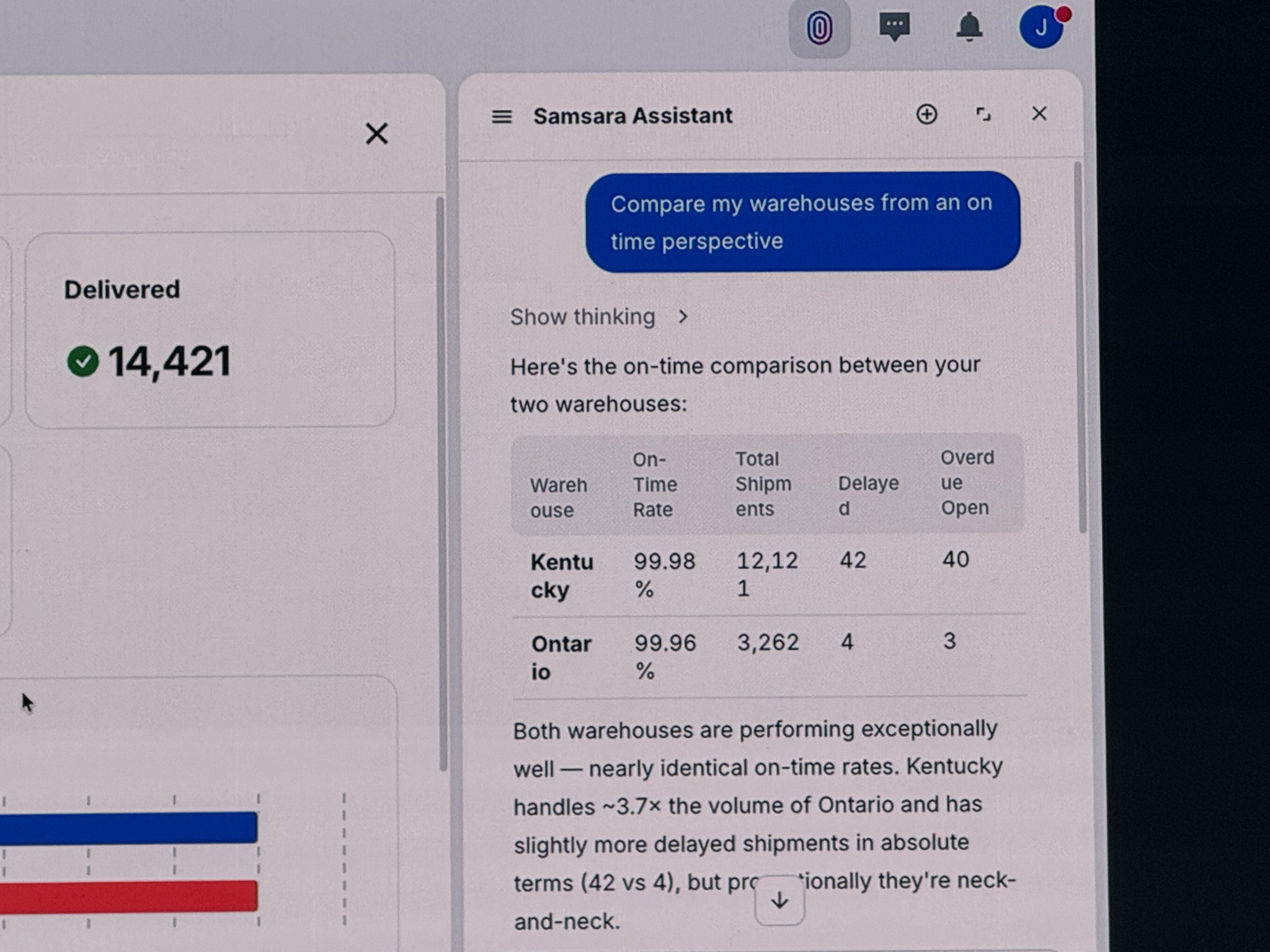
The label feeds data into a Shipment Center dashboard that allows users to monitor freight by exception rather than checking individual shipments one by one. Operations teams can filter for delayed loads, identify where disruptions occurred and respond before customers call asking for updates.
“Remember Agent Studio?” said Gal. “This plugs right in. Now our team has experimented with an agent that will automatically update our customers, let them know that there’s a shipment that’s a little delayed, and then automatically re‑process.”
Historical shipment data can also be used to compare carrier performance and evaluate warehouse operations.

Have your say
This is a moderated forum. Comments will no longer be published unless they are accompanied by a first and last name and a verifiable email address. (Today's Trucking will not publish or share the email address.) Profane language and content deemed to be libelous, racist, or threatening in nature will not be published under any circumstances.