The sophistication of autonomous driving in the Permian Basin

The Permian Basin in West Texas is a perfect use case for autonomy, according to Lauren Harper, chief of staff of Kodiak AI. The United States’ most productive oil field is dirty, rough, and it’s difficult to hire and retain professional drivers.
Kodiak partnered with Atlas Energy Solutions on autonomous freight movements starting in 2024. Atlas owns and operates 28 fully driverless, Class 8 trucks, moving sand from the conveyor system to well sites.
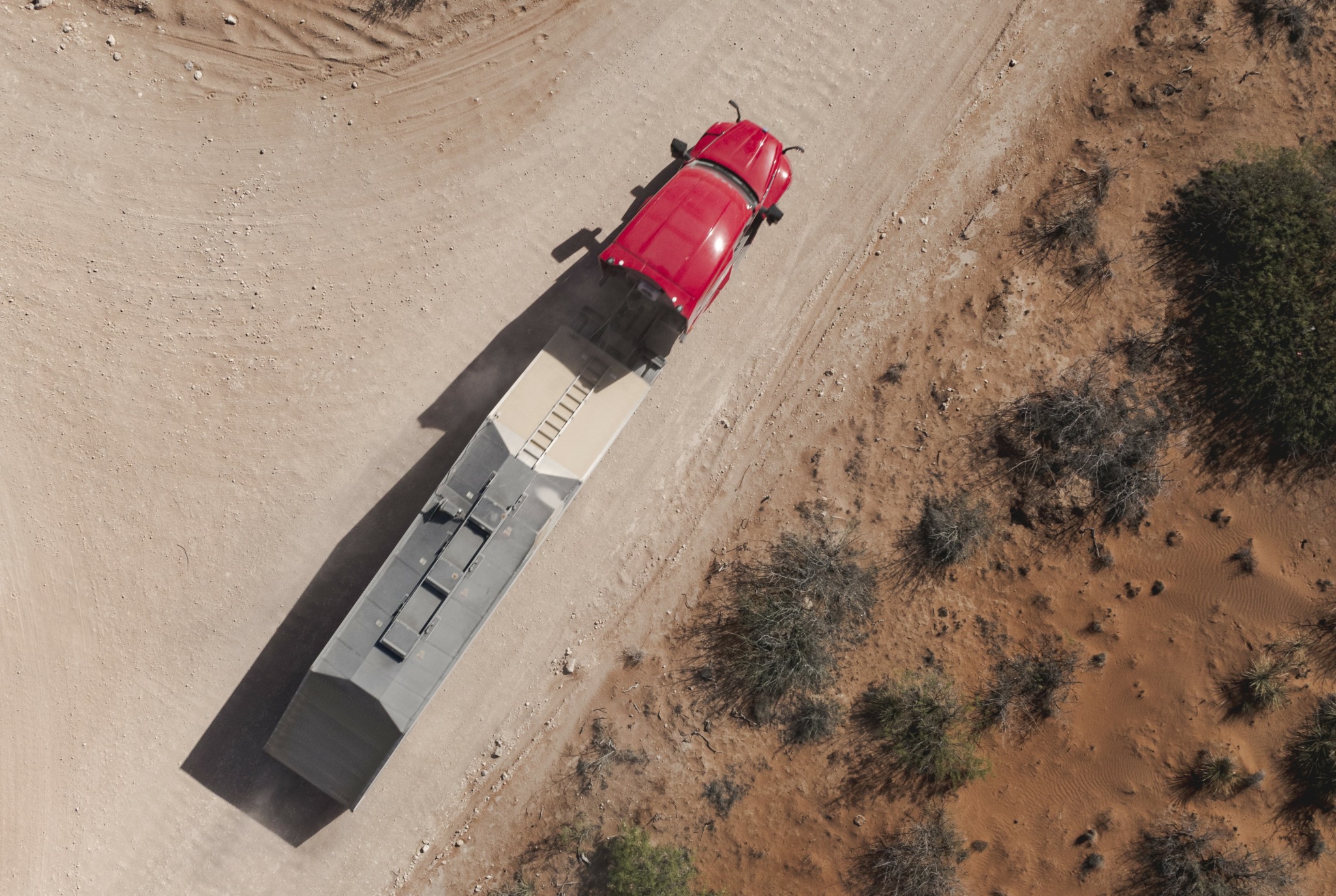
In Harper’s view, the sophistication of the autonomous shipments taking place in the Permian Basin is misunderstood. While the area is nowhere as dense as city streets, these autonomous trucks are operating in “a much more dynamic environment than people initially assume,” she said.
Harper said they are not traveling a closed course, and that anyone could rent a car and drive these roads. “These roads are shifting — there are no lane lines. You can’t have an HD map because it’s changing all the time,” she explained. “These are very narrow roads with bidirectional traffic.”
These large trucks are passing within inches of each other, often times transporting hazardous freight. Off to the side of the roads are often ditches, not shoulders, so there is practically zero margin for error.
“There are not kids and strollers, but there’s cows, there’s people — there’s even some cowboys,” Harper said. “It’s just a lot more interactive than you would think.”
A need for a fully autonomous, redundant platform
Harper made these comments during a June 22 webinar hosted by Together for Safer Roads, focused on how autonomous systems are reshaping physical operations.
In response to a question about what the industry needs to further autonomous technologies, Harper said truck manufacturers will eventually need to “deliver a fully autonomous, redundant platform.”
Currently, after a Kodiak fleet customer purchases a new tractor, it gets sent to uplift partner Roush, which builds the redundant steering, braking, and power systems.
For autonomous technology to reach a commercial tipping point, new vehicles will need to come off the assembly line with those safety redundancies built in, Harper said.
Robotaxis no longer just a novelty on city streets
Anthony Perez, Waymo’s northeast policy manager, said on the webinar that there is a need for a national regulatory framework to scale safely and predictably. A provision in the “BUILD America 250 Act” passed by a House panel in May calls for the first national framework for autonomous commercial vehicles.
Currently, more than half of U.S. states have some autonomous framework that allows for testing or some operations. However, other states have not yet addressed the issue, and regulations could also differ inside city limits, creating additional confusion.
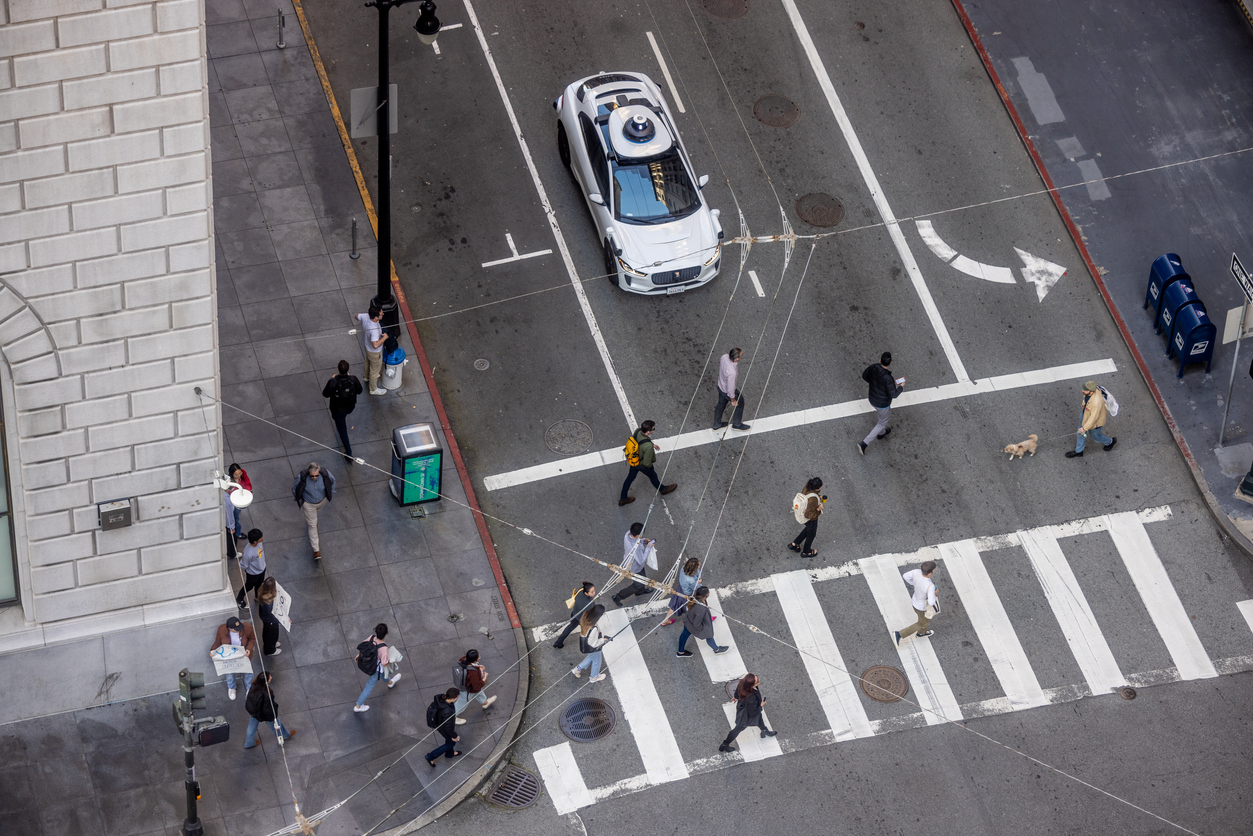
Waymo has the largest commercial robotaxi fleet in the United States. It currently operates in 11 major U.S. metropolitan areas and is testing in many more global cities, including London and Tokyo.
In cities like San Francisco and Phoenix, Perez said there is a clear signal that the local communities have accepted sharing the road with driverless taxis.
“Nobody’s taking a photo, like some cool novelty factor,” Perez said. “They’re already used to it. It’s part of everyday reality in these cities.”

Have your say
This is a moderated forum. Comments will no longer be published unless they are accompanied by a first and last name and a verifiable email address. (Today's Trucking will not publish or share the email address.) Profane language and content deemed to be libelous, racist, or threatening in nature will not be published under any circumstances.