What can trucking fleets do to hire, retain technicians?

The word shortage has become controversial in trucking, at least when discussing drivers. When it comes to technicians, there is more agreement that a shortage actually exists.
“What we’re looking at is an ongoing, persistent, long-running struggle to get enough qualified techs capable of filling positions,” said Dan Murray, senior vice president with the American Transportation Research Institute (ATRI).
Unlike drivers, who are more often hopping from fleet to fleet, research indicates 10,000 technicians are retiring, and 15,000 are leaving the trucking sector every year.
A recent ATRI study found that almost two-thirds (65.5%) of all trucking maintenance shops are understaffed, with an overall vacancy rate of 19.3%. Speaking as part of a panel discussion at the 2026 Technology & Maintenance Council’s annual meeting, Murray noted that technician turnover is about 16.5%, a far lower churn rate than that of truckload drivers.
“That tells us it’s not just a matter of a tech spending two months at a shop and it’s awful,” Murray said. “It’s not just that the conditions are bad.”
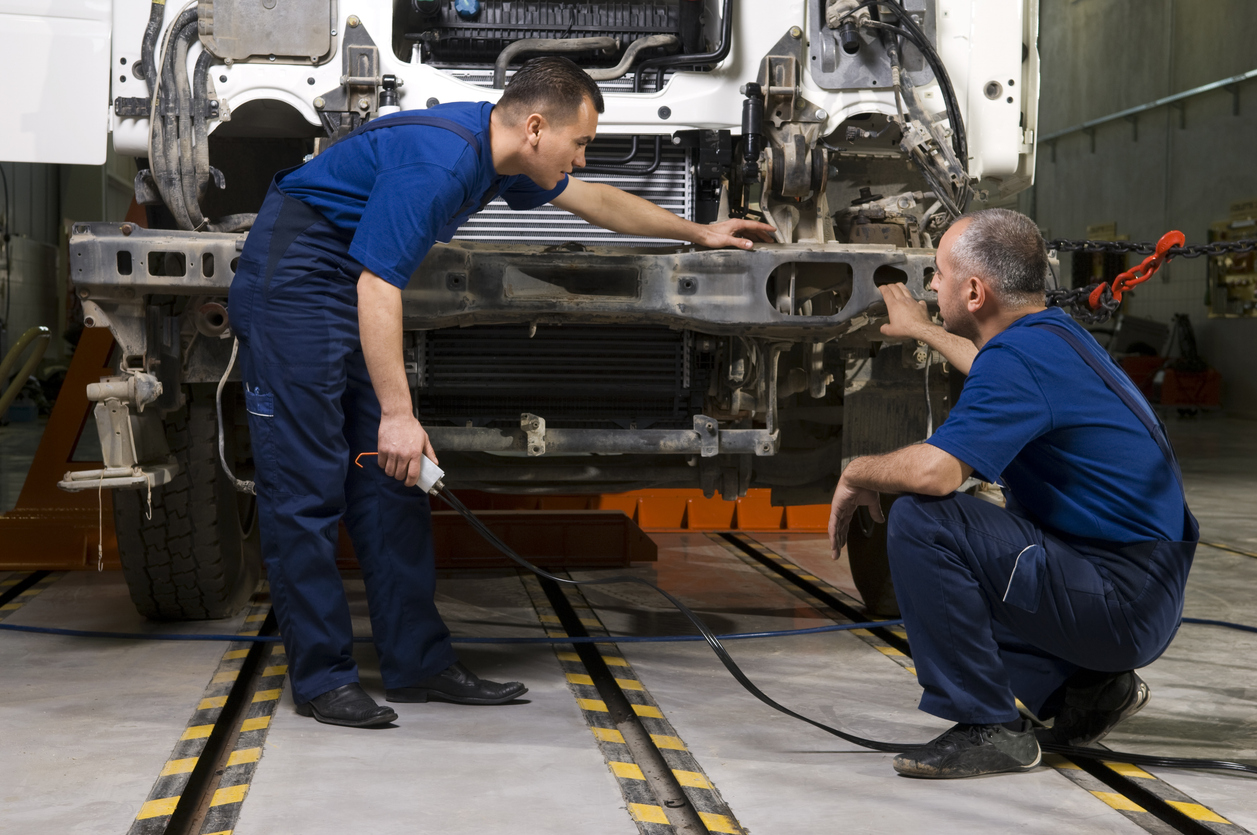
Between 2014 and 2024, the number of truck drivers increased 30%, but the number of technicians rose only 23%. The reasons for this difference go beyond financial compensation, with technician salaries rising by almost 40% over this 10-year span to more than $57,000 per year.
While higher pay was the top reason technicians entered the trucking industry, it received the second-lowest satisfaction rating once on the job, based on the ATRI survey. Favorable work schedules and a greater variety of interesting work were frequently cited as important factors for remaining in the industry.
Conversely, dissatisfaction with pay and a lack of interesting work were indicators that technicians would look for new employment opportunities. ATRI’s survey found that 44% of technicians were considering leaving trucking for other professions, such as agriculture and automotive.
“A big takeaway is trucking has been increasing pay pretty significantly,” Murray said. “But so is everyone else. It’s been such a competitive job market, especially since the pandemic.”
While many factors may play a role in a technician choosing to stay with a fleet, “pay is the baseline for the respect of technicians,” said Ian Matje, a senior diesel instructor and lead technician based in Colorado.
“Even if you have a great culture, if you don’t have the pay, eventually they are going to leave,” Matje said.
With such a competitive market, Yvvone Valdez and Wayne Skinner of Summit School Services recommended making the first offer to a prospect the best offer. Valdez said she has seen some candidates accept a small decrease in starting pay because of a strong sense of a better long-term fit.
Many entry-level technicians lack formal training
ATRI’s survey found that 61.8% enter the industry without formal training, requiring an average of 357 training hours and $8,200 in trainee wages to properly prep them. In addition, more than 30% of training program graduates were not fully qualified in many core skills.
The most common barrier reported by technicians at the outset of their careers was the cost of acquiring their own tools (29%). Many technicians must supply their own tools, which can cost as much as $10,000, according to the ATRI report.
Speakers at TMC said they believed there are several ways to help address this problem. For example, Benjamin Phillips, director of maintenance and IT with Yarbrough Transfer Co., said one way to get technicians in the door was to offer a rent-to-own tool program. Fleets can deduct a small amount per paycheck until the tools are paid off. Should the technician depart the company before the tools are paid off, the tools remain with the company.
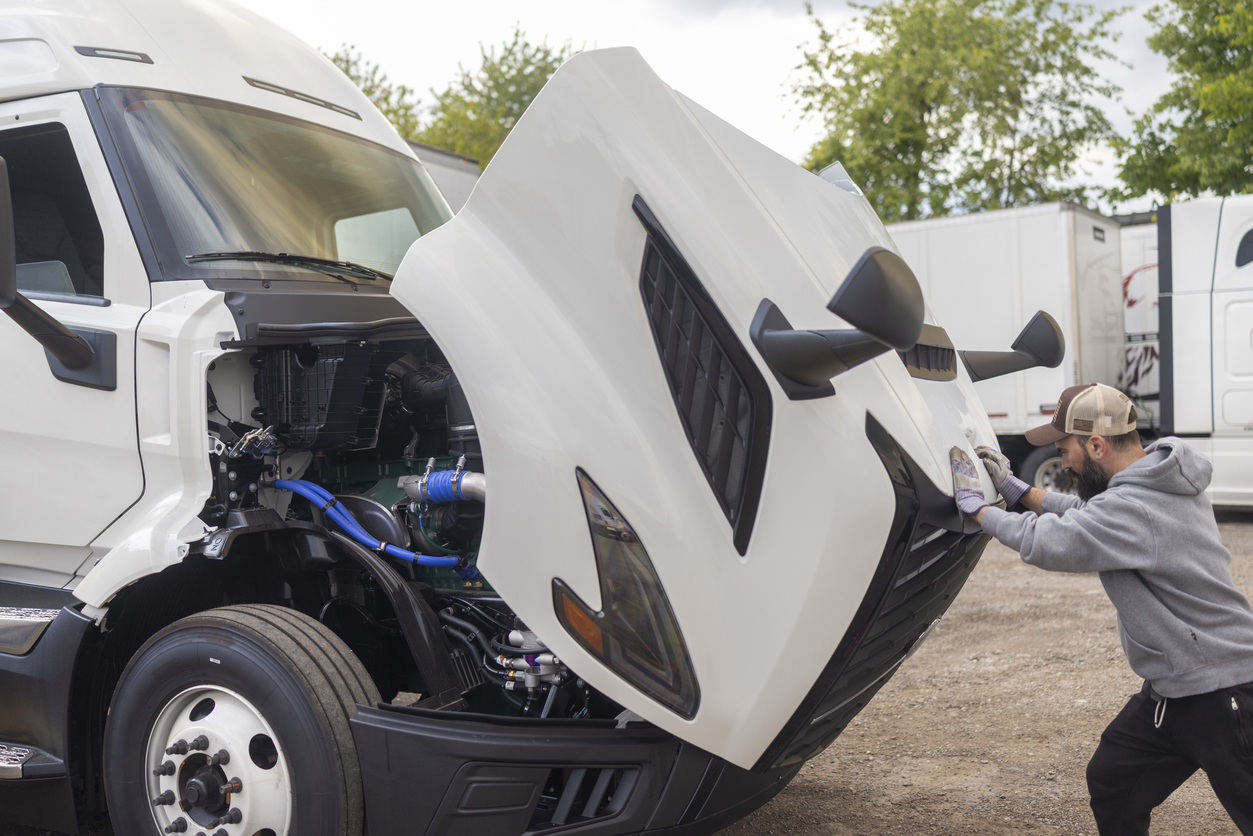
Amanda Schuier, a past TMC chairman and strategic maintenance director with Jetco Delivery said the fleet has developed a “bare bones list” of tools that technicians need to initially get into the door as a way to lower the burden for prospects.
She also cited a growing number of programs with manufacturers and vendors that provide entry-level technicians with discounted tools to help them get started.
Other barriers for technicians were a lack of prior technical knowledge, insufficient starting pay, and a lack of shop mentoring. Murray spoke of some new technicians expressing concerns that it felt like “veterans versus the new guys,” rather than one team.
“Opportunities for mentorship and supplemental training can be the difference between a strong start and a derailed start to a tech’s career, regardless of whether they already possess formal training,” ATRI’s report said.
The growing importance of voluntary certification programs
During another panel discussion at TMC, the focus was on how assisting technicians with voluntary certification programs can aid retention.
Robert Braswell, TMC’s executive director, said he views the certification programs offered by TMC and other industry groups as a “roadmap of growth” for young technicians, which can instill in them greater confidence and a sense of accomplishment.
Bob Cornwell, a senior director at Automotive Service Excellence (ASE), said these programs are becoming more necessary as the complexity of vehicle maintenance projects grows.
He shared statistics showing that ASE certifications have contributed to 40% higher shop productivity and 60% fewer comebacks, indicating more work is being properly completed the first time. Additionally, turnover among ASE-certified technicians was 30% lower, and they have a significantly higher earnings potential.
For technicians seeking even greater career opportunities, there is the North American Transportation Management Institute (NATMI).
Simply being a quality technician does not automatically translate into being a good supervisor, said NATMI Director Jeff Arnold. That’s why NATMI offers programs designed to help technicians develop supervisory and people-management skills.
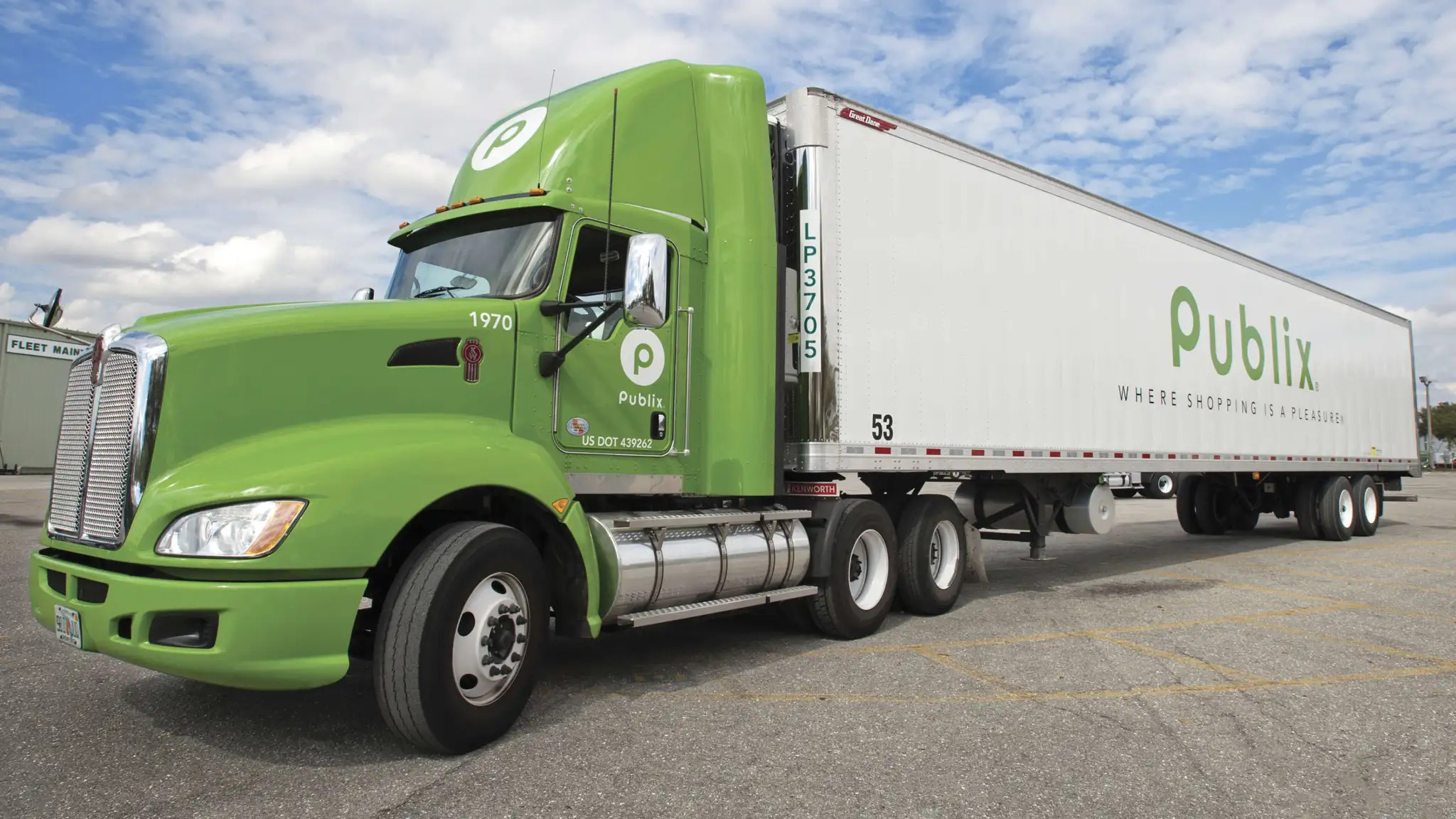
Publix Supermarkets is one company benefiting from its technicians’ obtaining these certifications. Joe Young, Publix’s fleet maintenance operations manager, said these programs have allowed the company to “stretch our assets longer.”
“We believe training has allowed us to do that while still reducing downtime,” Young said.
About 27% of Publix’s technicians are ASE certified, with 10% holding the Master Technician designation. The return on investment from these certification programs also comes from fewer roadside breakdowns and less cost for labor and replacement parts for Publix’s 900 trucks and 4,000 trailers.
There are important legal ramifications as well, Young said.
Plaintiff attorneys are likely to seek maintenance records in litigation following a truck-involved accident. Having the highest-quality, certified technicians can make a big difference in these cases, he said.

Have your say
This is a moderated forum. Comments will no longer be published unless they are accompanied by a first and last name and a verifiable email address. (Today's Trucking will not publish or share the email address.) Profane language and content deemed to be libelous, racist, or threatening in nature will not be published under any circumstances.