Business Tips


Small business ELD exemption ‘not likely’, analysts say
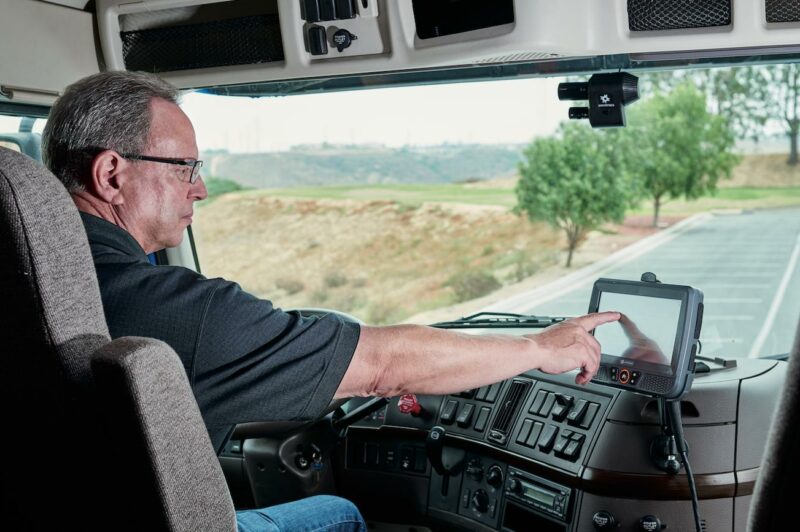
BLOOMINGTON, IN – The rollout of mandated Electronic Logging Devices (ELD) continues in the U.S. And while some trucking operations have secured temporary waivers, analysts at FTR Intel believe a bid to exempt small carriers outright is unlikely to succeed. The Owner-Operator Independent Drivers Association (OOIDA) has asked regulators to exempt small businesses making less than US $27.5 million in revenue, that don’t have an unsatisfactory safety rating, and have a safe record with no attributable at-fault crashes. It would last five years. An exemption like that – already rejected during the regulatory review process – would essentially gut the mandate for ELDs, and has been opposed by the American Trucking Associations and safety advocacy groups. Eighty-one percent of over-the-road trucking companies, and 93% of one-truck operators among them, have had no DOT-recordable crashes in the past two years, FTR notes.

Fleet makes case for hourly pay
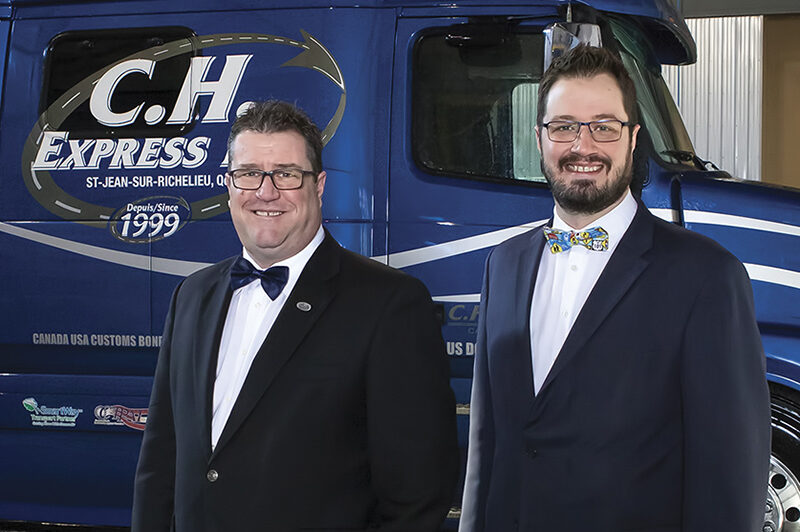
JEAN-SUR-RICHELIEU, Que. -- CH Express drivers were not alone in worries that a U.S. mandate for Electronic Logging Devices (ELDs) might affect how much they could make. But managers at the flatbed fleet have responded in a bold way – by paying the long-haul drivers by the hour rather than distances.
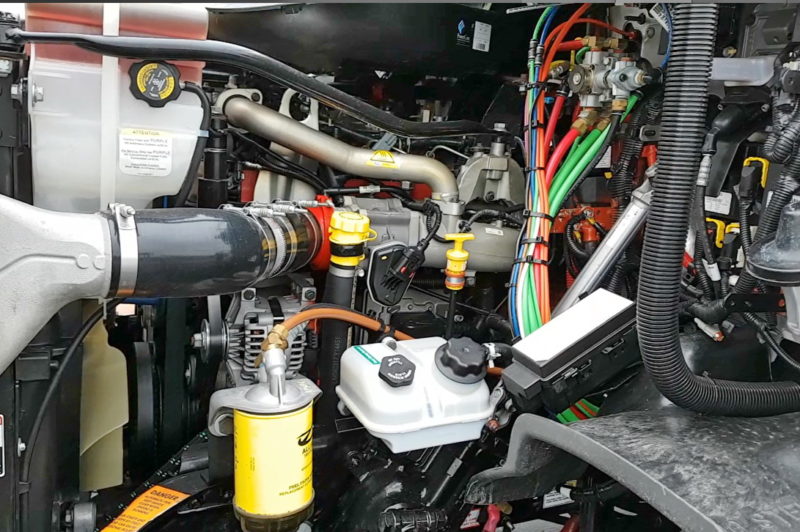
Little engines that can: Big power from small displacements
TORONTO, ON -- Canada has always been big-bore territory: big trucks, big loads, big hills, big engines. Right? If you're one of those with feet firmly planted in the big bore camp, it might be time to re-think that position. Some of today's smaller engines are surprisingly capable. They are lighter and more fuel-efficient, and deliver performance that's nearly equal to their larger brothers.
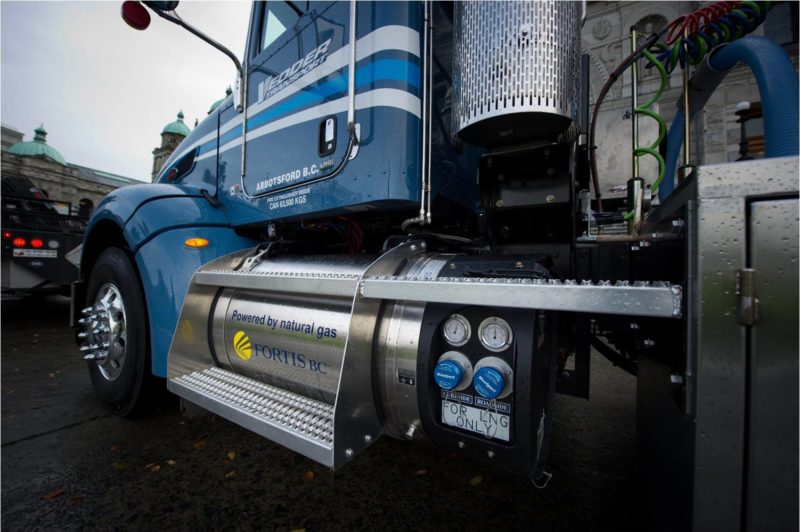
Alternative Financing: Will your lender buy in to alternative fuel?
MONTREAL, QC -- Trucks that run on alternative fuels promise to be easier on the environment, but the equipment itself can be tougher on a capital budget. Consider natural gas. It’s historically cheaper than diesel, but the trucks that use it can cost an extra $50,000 to $100,000 over the price of their conventionally fueled counterparts, depending on the spec’s.

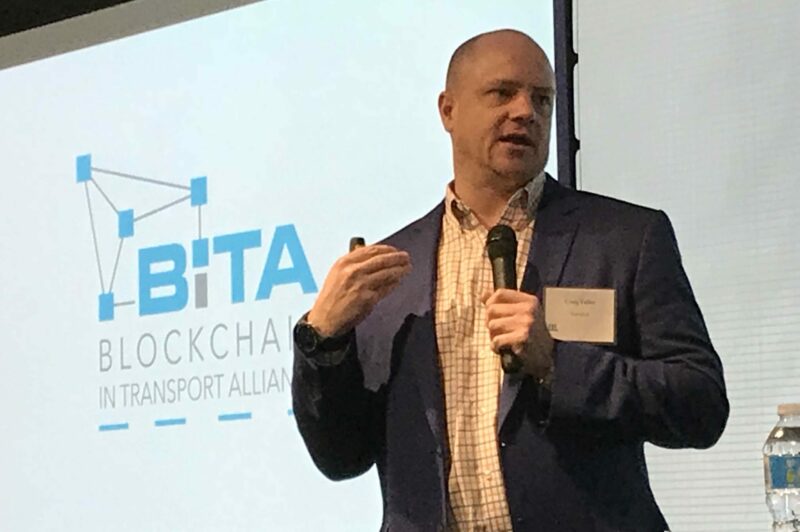
Block by Block: How blockchain will transform trucking
TORONTO, ON -- The business of moving freight generates a mountain of paperwork. Contracts establish rates and delivery requirements; bills of lading are signed and filed; invoices are generated to request the cheques that need to be issued and cashed. Blockchain – essentially a form of digital ledger -- promises to reshape how all these transactions take place.

Cyberjacked! — Trucks vulnerable to cyber threats
It's Tuesday afternoon, a little after 2 pm. You're the operations manager of a major truckload carrier. The morning rush is over, all the drivers and customers are happy, and now you're gearing up for the onslaught of late-afternoon messages from customers wondering where their trucks are and drivers alerting you that they can't load 'til tomorrow. Typical day. Then a driver calls on his mobile phone. "My engine has just shut down and I'm sitting deader than a doornail in the center lane of Highway 401 between Dufferin and Keele Street," he says.