Economy


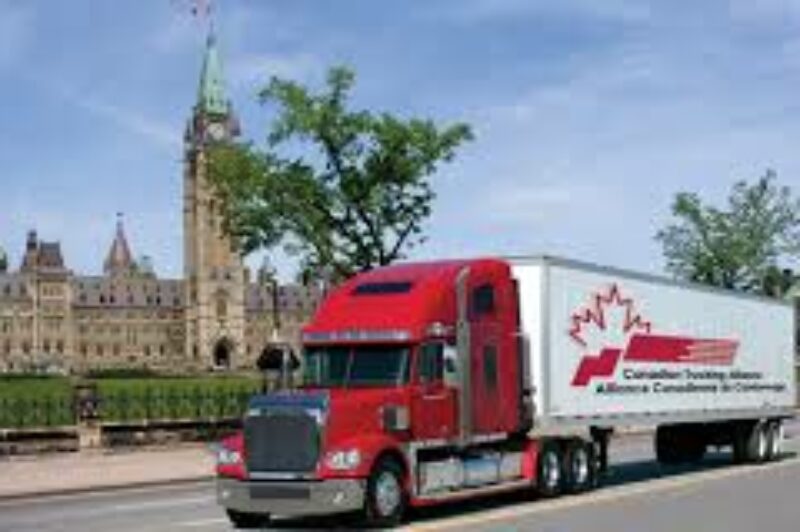
CTA wants harmony on 11 issues
TORONTO, ON – Leaders of the Canadian Trucking Alliance (CTA) and provincial trucking associations have come together to identify 11 industry issues that could benefit from improved harmonization. The call is designed to support a new task force under the Council of Ministers Responsible for Transportation and Highway Safety, established in September 2016, and complements existing initiatives like the National Task Force on Weights and Dimensions. “This is a great opportunity for further collaboration between industry and government,” said Stephen Laskowski, president and Chief Executive Officer of the alliance. “CTA commends the provincial trucking associations for their efforts in contributing to our submission and looks forward to working with all interests in addressing the issues identified.”

Parts is Parts? Hardly. Observations from Heavy Duty Aftermarket Week.
LAS VEGAS, NV -- Children of the 1980s might recall a Wendy’s commercial that mocked the quality of chicken sandwiches from competing fast food chains. “Parts is parts,” the cashier for a generic restaurant says with a shrug, suggesting different pieces can be fused together into some sort of processed Frankenchicken. There are clearly differences in parts, though.

Sobey’s, Ocado partner on grocery delivery
TORONTO, ON – Another grocery giant will be entering the home delivery space in Canada. Sobey’s is partnering with grocery software and order fulfillment company Ocado Group to build a web shop and Customer Fulfilment Center (CFC) in the Greater Toronto Area (GTA).
Ontario investments should focus on green tech, safety and parking: OTA
TORONTO, ON – The Ontario Trucking Association (OTA) is calling on the government to offer more support for green-trucking technology and alternative fuels, increase truck parking, and promote driver safety oversight programs. The group met with the provincial government today as part of pre-budget consultations. The Ontario budget is expected to be released this Spring ahead of a June 7 election. The OTA says it commended the government for reinvesting carbon fees paid by the trucking industry back into the sector in the form of rebates for fuel-saving devices and natural gas and electric-powered vehicles, but stressed that low carbon programs should reflect the realities of the modern supply chain.
Truck tonnage down in December: ATA
ARLINGTON, VA — Truck tonnage dropped for the first time in three months in December, according to the American Trucking Associations (ATA). The group’s seasonally adjusted index fell for the first time since September, losing 5.7% month-over-month, but was up 5.9% over the same time the year before – a finish the ATA called very strong.