Maintenance

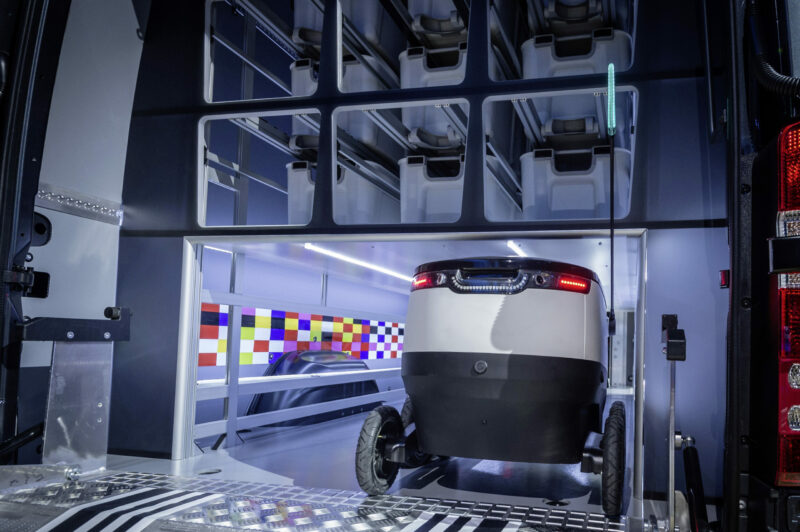
Final mile introducing new maintenance demands
ATLANTA, Ga. – Evolving delivery models are leading to a new generation of vehicles as fleets look for new ways to serve the all-important final mile of e-commerce orders. Against the backdrop of dense urban centers that are demanding an end to emissions, the trucks and vans are also more likely than ever to be electric. “The economics of those are starting to become positive in some applications,” said Thomas Dollmeyer, Cummins’ director of electrification technology, during a panel at the annual meeting of the Technology and Maintenance Council. Electric urban buses are already economically viable, while the same could be said about electric Class 4-7 distribution vehicles as early as 2020, he said. But changes like that will lead to new challenges on the shop floor.

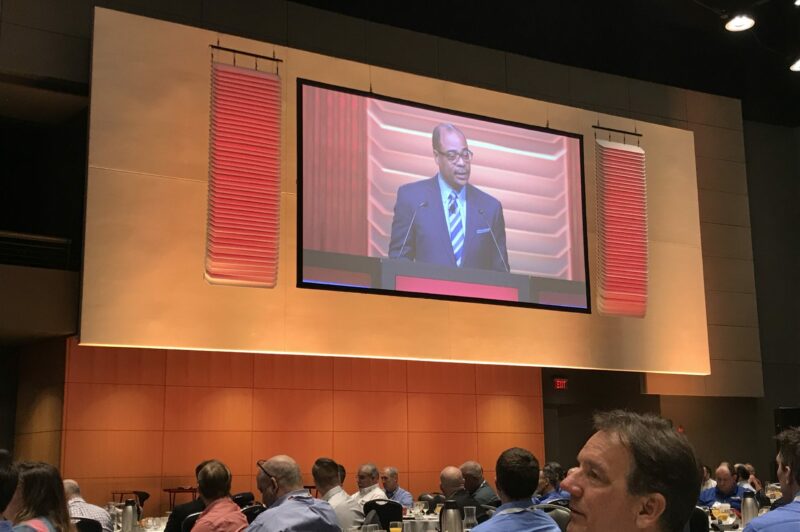
UPS executive challenges fleets to ‘define excellence’
ATLANTA, Ga. -- Carlton Rose, president, global fleet maintenance and engineering at UPS, is challenging the trucking industry to define the excellence needed to realize cleaner cities, safer vehicles, and underlying technical knowledge. “If you’re the one who defines excellence, then you’re the one who shapes expertise to achieve it,” Rose said.
TMT integrating Navistar orders
ATLANTA, Ga. – Ordering parts through Navistar dealers will be more seamless than ever, using a new integration module for TMT Fleet Maintenance software from TMW. Traditionally, the orders would be sent by fax or email, but now there’s an e-commerce solution. The new module sends electronic purchase orders that are fulfilled by Navistar dealers.
Expect more Run on Less from NACFE
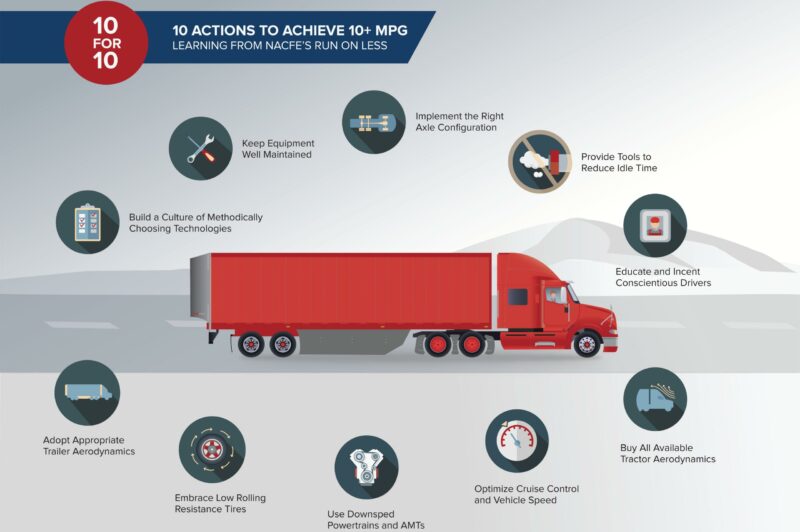
The North American Council for Freight Efficiency has unveiled a new look and redesigned website (www.nacfe.org) as it widens its focus beyond the fuel-saving equipment and components on the road today. The organization’s original goal was to promote the doubling of freight-moving efficiency. And the recent Run on Less event proved that target is “pretty practical”, said executive director Mike Roeth, during a briefing at the Technology and Maintenance Council’s annual meeting. Seven trucks participating in Run on Less proved an average of 10.1 mpg (23.3 L/100 km) is possible with existing technologies, and under real-world operating conditions. This compares to a national average of 6.4 mpg (36.75 L/100 km), and U.S. Department of Energy super trucks achieving 11-13 mpg (21.38-18.09 L/100km).

Eaton taps into electric, connected expertise
ATLANTA, Ga. – Eaton’s commercial vehicle group is leveraging broader automotive and electric expertise as it prepares for a future that is increasingly electrified and connected. A newly launched e-mobility business segment – combining elements of the company’s vehicle group and electrical business – is one of the latest signs of that. “There’s going to be a requirement for more power electronics on board,” observed Larry Bennett, director of vehicle technology and innovation, referring to the possibility of three-voltage systems on commercial vehicles. Eaton Electrical, currently responsible for 60% of company revenues, will help to apply lessons from buildings, leading to new smart power management tools and power distribution strategies, he said. There’s already been an increase in electric powertrains for buses and lighter vehicles, of course. And Eaton expects fully electric valvetrain actuation to be a reality within a decade. Hydraulic lash adjustments, now used in passenger cars, could soon manage intakes and exhaust in heavy vehicles as well.
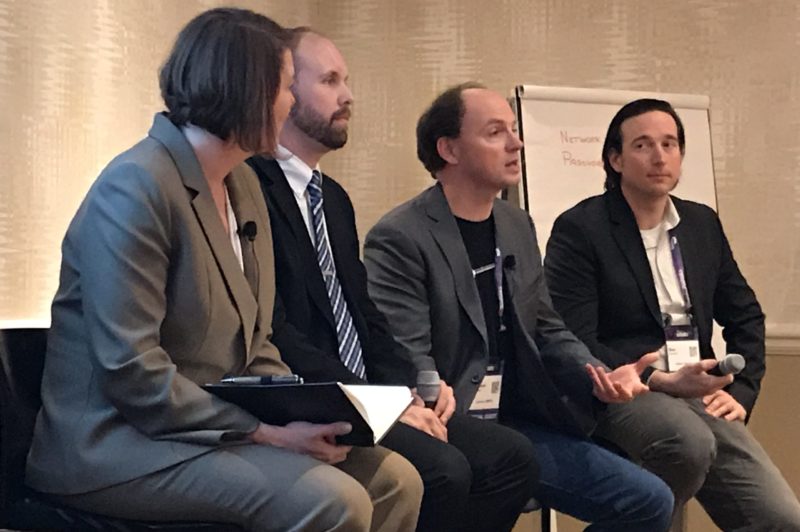
Cyberattacks are a real threat to trucking: panel
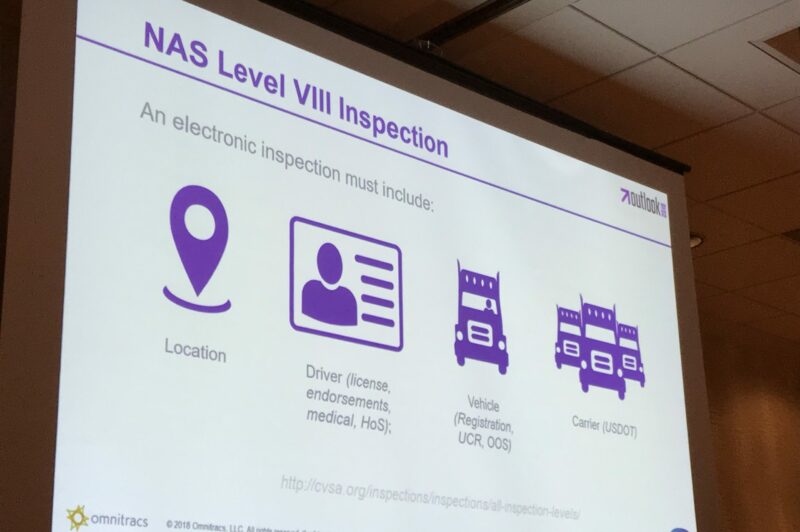
NASHVILLE, Tenn. – It can begin with someone surfing porn on a fleet tablet, clicking on the link in an email from someone who appears to be a trusted customer, or even using a poorly designed ELD. But no matter how a breach in fleet systems is created, the cybersecurity threats in trucking are all too real.