Fuel/Emissions
Video: Fuel for thought, and action
MISSISSAUGA, Ont. -- Some of the most important factors behind spec'ing decisions are those that promise better fuel economy. A panel of experts at the Canadian Fleet Maintenance Summit (CFMS) discussed how claims should be weighed, and steps that will deliver a return on investments.
Here Comes the Sun: Does solar have a role as an alternative fuel?
TORONTO, Ont. -- In some corners of North America, the idea of adding solar power to a truck or trailer is a no-brainer. You'd be forgiven for thinking that none of those corners are in Canada. That's mostly true, but it doesn't necessarily mean that solar has no place here. Just that you must be careful in assessing manufacturer claims about what their solar gizmo can actually do. Almost all of Canada gets an average of 4.2 hours of solar sunlight a day. Two areas -- a small stretch of the southern prairies and a little ribbon of central B.C. -- crank that number up to 4.5 hours. Compare that to as many six hours in Arizona, New Mexico, and a patch of southeast California. Doesn't sound like much of a difference, but it's a big deal. A 300-watt solar setup that can help to run a tractor's electric APU in that part of the U.S. would probably have to be a 600- or 800-watt setup for a rig running, say, a Toronto-Montreal-Halifax route. It also means that manufacturer claims can be rather idealistic if calculations were based on experience in warm and sunny parts of our world. There's no subterfuge involved here, but “your mileage may vary,” as they say.
Think Tanks: There’s a right way and wrong way to fill up
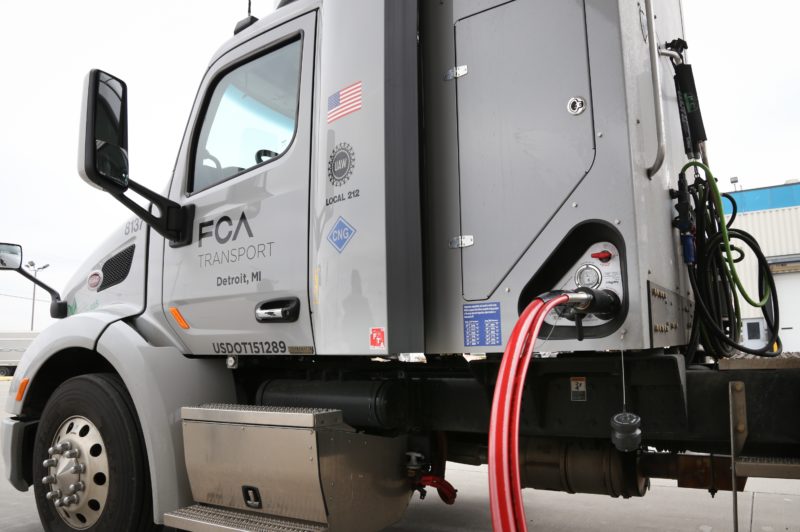
MONTREAL, Que. -- Some truck components have been around for so long that they rarely receive a second thought, and dual fuel tanks are a perfect example. Introduced to extend the range of trucks between refills, the tanks are usually mounted on opposite sides of the frame rails. But this also introduces hazards that emerge with two separate filling points.
Final mile introducing new maintenance demands
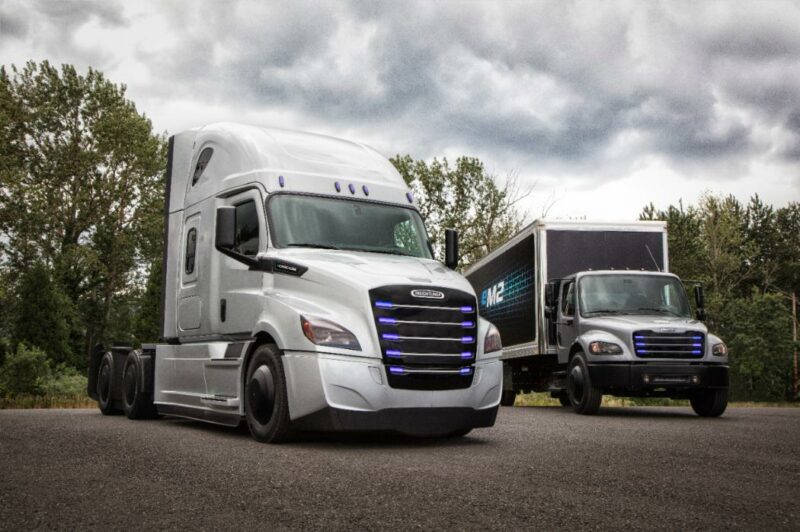
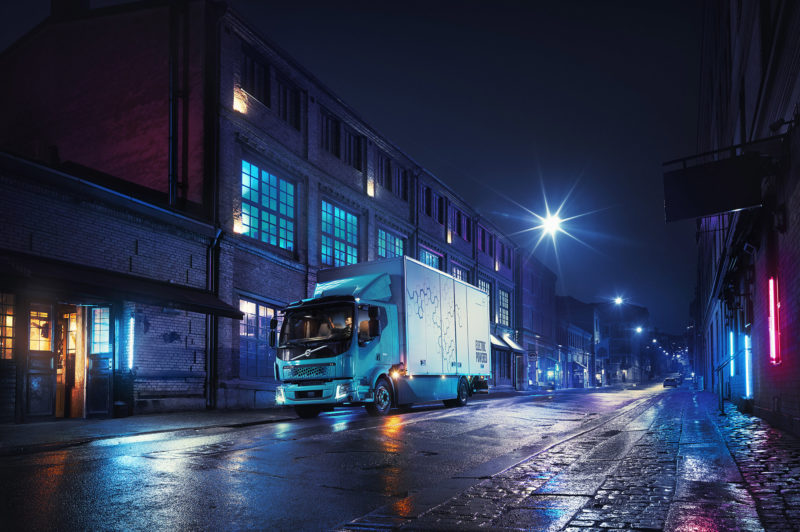
ATLANTA, Ga. – Evolving delivery models are leading to a new generation of vehicles as fleets look for new ways to serve the all-important final mile of e-commerce orders. Against the backdrop of dense urban centers that are demanding an end to emissions, the trucks and vans are also more likely than ever to be electric. “The economics of those are starting to become positive in some applications,” said Thomas Dollmeyer, Cummins’ director of electrification technology, during a panel at the annual meeting of the Technology and Maintenance Council. Electric urban buses are already economically viable, while the same could be said about electric Class 4-7 distribution vehicles as early as 2020, he said. But changes like that will lead to new challenges on the shop floor.
UPS executive challenges fleets to ‘define excellence’
ATLANTA, Ga. -- Carlton Rose, president, global fleet maintenance and engineering at UPS, is challenging the trucking industry to define the excellence needed to realize cleaner cities, safer vehicles, and underlying technical knowledge. “If you’re the one who defines excellence, then you’re the one who shapes expertise to achieve it,” Rose said.